Yes, With a Different Method for Every Piece
Can you wash lacrosse equipment? Yes, and you should, on a schedule. But lacrosse gear is not laundry in one pile. Soft goods like gloves, arm pads, and uniforms tolerate a washing machine used correctly. Helmets, shoulder pads with certification plates, and sticks do not belong in a machine at all and get hand washed instead. The dryer is the most dangerous appliance in the routine: its heat warps plastics, kills strap elastic, and breaks down foams, so almost nothing lacrosse should meet it. This page gives the item by item method, the smell science that explains why gear gets bad in the first place, and a weekly routine that keeps a bag civilized without shortening the life of certified equipment.
The Item by Item Table
| Item | Method | Machine? | Dryer? |
|---|
| Uniform and practice clothes | Normal wash, cold water | Yes | Low heat or line dry |
| Gloves | Gentle cycle in a mesh bag, or hand wash | Yes, gently | Never; air dry stuffed |
| Arm pads | Gentle cycle or hand wash | Yes, gently | Never; air dry |
| Shoulder pads | Hand wash, wipe and soak panels | No | Never; air dry flat |
| Helmet | Hand wash shell and liner only | No | Never; air dry in shade |
| Cleats | Hand scrub, remove insoles | No | Never; air dry with paper |
| Mouthguard | Rinse daily, brush, case storage | No | Dishwasher debate aside, hand wash is safest |
| Stick and head | Wipe down, pocket care separate | No | Never |
| Gear bag | Wipe or hose out, full air dry | Rarely | Never |
When in doubt, the rule of the table is simple: fabric washes, structures get wiped. Anything with a certification plate, a rigid shell, or a shaped foam core is a structure, and structures are cleaned by hand so the protection they were tested with survives the cleaning.
Why Gear Smells: The Short Science
Sweat itself is nearly odorless. The smell of a lacrosse bag is bacteria feeding on sweat and skin cells trapped in foam and fabric, in a warm, dark, sealed space. That is why the bag, not the washing, is where most odor is won or lost. Gear sealed wet in a bag overnight gives bacteria a full shift to work. Gear spread out to dry within an hour of the final whistle starves the colony before it establishes. Players who air everything after every use can wash monthly. Players who zip the bag in the trunk wash weekly and still lose. Drying is the habit; washing is the rescue.
Two products earn their place in the routine. A mild detergent handles fabric loads without attacking elastic. An enzyme based sports wash or a simple white vinegar soak handles the deep odor in gloves and pads that regular detergent leaves behind, because enzymes break down the organic residue bacteria feed on. Bleach stays away from colored gear and elastic, and fabric softener stays away from everything, since it coats fibers and traps the next round of odor underneath.
The Glove and Pad Wash, Done Right
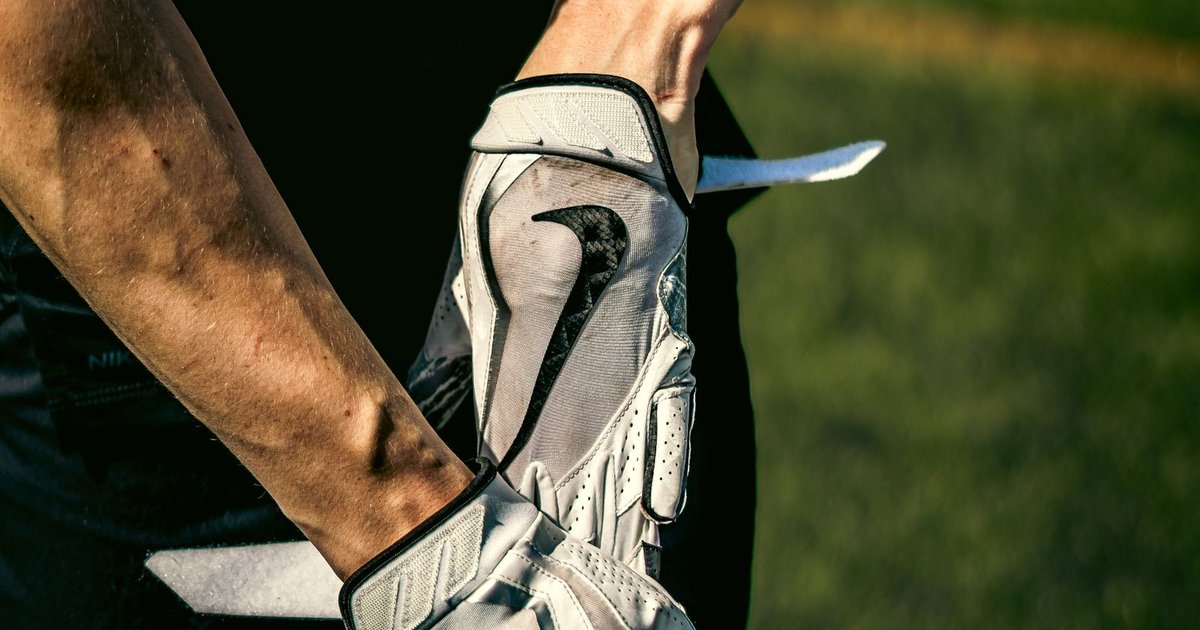
Close every strap before washing, so hooks do not tear liners and straps do not tangle into knots. Put gloves and arm pads in a mesh laundry bag, gentle cycle, cold water, mild detergent, and an extra rinse if your machine offers one. The moment the cycle ends, pull everything out, stuff gloves with dry towels or newspaper to hold their shape and pull moisture, and stand pads where air moves across them. A small fan pointed at a drying rack overnight finishes what the wash started. Gear that goes back in the bag while still damp in the seams will smell again within two practices, and the wash will have been theater.
Shoulder pads get the hand version. Fill a tub with cool water and a small amount of mild detergent, submerge or thoroughly sponge the panels, work the liner gently, rinse with clean water, press moisture out with towels rather than wringing, and dry flat with air moving. Pay attention to the sternum plate area on an ND200 pad: you are cleaning around certified protection, so no harsh solvents, no heat, and no aggressive scrubbing at the plate edges.
The Helmet: Wipe, Never Soak in a Machine
Remove what the maker allows to be removed, usually the liner pads or sweatband, and wash those pieces by hand. Wipe the shell inside and out with a cloth dampened with mild soapy water, rinse with a clean damp cloth, and dry in shade. Sunlight degrades shells over time, and a helmet should never sit on a hot dashboard or beside a heater to dry. Inspect while you clean: chin strap stitching, mask hardware, foam condition. Cleaning day is inspection day, and a cracked shell found in the kitchen is a retirement decision made calmly instead of a crisis discovered at a tournament gate.
Cleats get a hand scrub with a brush after knocking dried mud off outside, insoles out and washed separately, then stuffed with paper and air dried. A stick needs only a wipe of the shaft and head, with pocket care handled as its own topic: a mesh pocket can be rinsed and reformed, while a traditional pocket wants to dry in shape with a ball in it.
The Routine That Prevents Emergency Washes
After every use: bag unzipped and gear spread or hung within the hour, mouthguard rinsed and cased, gloves opened wide. Weekly during the season: uniform and practice clothes through the wash, gloves checked for damp seams, bag wiped and aired empty. Monthly: gloves and arm pads washed, shoulder pads hand washed, helmet liner cleaned and hardware inspected, cleats scrubbed. End of season: everything washed, everything dried for a full day, then stored loose in a ventilated space rather than sealed in the game bag, with a note in the bag listing anything that needs replacing before spring.
Families who run that routine discover the hidden benefit in February: the preseason gear check becomes a ten minute confirmation instead of a weekend of archaeology, and the first practice smells like nothing at all, which is the correct smell for sports equipment.
Drying deserves its own sentence in the routine because it is where most home washes quietly fail. A small fan pointed into the open bag overnight moves more moisture than a full day of still air, and glove palms dry fastest with the cuffs propped open so air reaches the fingers. Keep every piece away from direct heat while it dries: radiators, space heaters, and hot sun through a window all age foam and stiffen leather palms faster than normal play does, so the cool, moving air that feels too gentle is exactly right.
When to Retire Equipment Instead of Washing It
Washing extends the life of honest equipment, and it cannot resurrect equipment that has finished its service. Retire a helmet for any crack in the shell, any foam that stays compressed after a thumb press, or any impact history the manufacturer guidance treats as disqualifying, and do not let a clean smell talk you out of it. Retire shoulder pads when the plastic caps crack or the foam has packed down to the point where the sternum plate floats loose inside its pocket. Retire gloves when palm holes reach the fingers, because a hole at the grip is a blister and a lost stick waiting for the same rainy afternoon.
Goalie chest protectors earn a special retirement test. Press the sternum guard hard with both thumbs. A protector that flexes deeply under hand pressure has foam that has died quietly over seasons of shots, and it is the single most important piece of foam in the sport. Replace it on evidence, not on schedule, and never donate a dead protector to a younger program. Equipment generosity ends where chest protection begins.
Keep a simple log on the garage wall: purchase dates, wash dates, and the retirement test results each preseason. Families with three players passing gear down a sibling chain find the log pays for itself the first time it stops a dead protector or a cracked helmet from being handed to a ten year old with confidence. Clean gear is a habit. Safe gear is a record. The programs and families that keep both rarely learn the difference from an emergency room.
The Car Trunk Problem
More lacrosse equipment dies in car trunks than in washing machines. A sealed bag in a hot trunk is a heated incubator that multiplies bacteria faster than any practice can, and gear left there between a Saturday game and a Tuesday practice arrives pre spoiled. The cheapest equipment care habit in the sport costs nothing: the bag comes inside the same day, opens in the garage or laundry room, and stays open until the gear is dry. Families who build that single habit find the full wash day routine becomes a monthly maintenance event instead of a rescue operation. Trunk storage also cooks helmet foam slowly over a summer, which connects the smelliest topic in equipment care back to the most serious one. Keep gear cool, dry, and indoors, and nearly every other instruction on this page becomes easier to follow.
Frequently Asked Questions
Can you put lacrosse gloves in the washing machine?
Yes, on a gentle cycle with cold water, straps closed, inside a mesh bag, with mild detergent. Gloves are the most washed item in the sport and tolerate it well. What they do not tolerate is the dryer. Air dry them stuffed with towels or newspaper, with moving air, and never seal them in a bag while damp.
Can lacrosse equipment go in the dryer?
Almost nothing should. Dryer heat warps helmet shells and pad plastics, destroys strap elastic, and breaks down protective foams. Uniforms and ordinary practice clothes can handle low heat. Everything protective air dries. The dryer is the single most common way families accidentally shorten the life of expensive gear.
How do you get the smell out of lacrosse gear that already stinks?
Wash what can be washed with an enzyme based sports detergent, or soak soft goods in cool water with a cup of white vinegar before washing. Then fix the cause: the gear was being stored wet. A full day of open air drying after the rescue wash, followed by the air out after every use habit, keeps the smell from returning.
Can you wash a helmet in the dishwasher or washing machine?
No. Machines combine heat, agitation, and detergents that attack shell materials, foams, and adhesives, and a helmet is certified protection whose structure should never be gambled on a shortcut. Hand wash the removable liner pieces, wipe the shell with mild soapy water, and air dry in shade.
How often should lacrosse equipment be washed?
Soft goods like gloves and arm pads do well with a monthly in season wash, uniforms weekly, and helmets a monthly liner clean with wipes between. The daily habit matters more than any wash date: gear aired out after every single use needs rescuing far less often than gear washed on a perfect schedule but stored wet.