Home / Rules, Positions and How to Play
Rules, Positions and How to Play
Lacrosse rules, field layout, positions, and scoring explained in plain language for new players and spectators.
- Are Lacrosse Rules Similar to Hockey?
Yes, and to soccer and basketball too. Lacrosse borrowed faceoffs and behind-the-goal play from hockey, its field and positions from soccer, and its picks from basketball. Here is the exact ledger.
- Box Lacrosse Positions Explained: Runners, Transition, and the Five Spots
Box lacrosse positions explained for field players moving indoors: five runners and a goalie, the forward, defense, and transition roles, and the five offensive spots (two crease, two shooter, one point).
- Box Lacrosse Rules: How the Indoor Game Works
Box lacrosse rules explained, covering 6 against 6 play, the shot clock, smaller nets, cross checking, and the key differences from field lacrosse in a table.
- Boys Lacrosse Field Set Up
How to set up a boys lacrosse field step by step, including dimensions, goal and crease placement, restraining boxes, wing areas, substitution and penalty areas, and youth field adjustments.
- Boys Lacrosse Rules: Checking, Equipment, and Key Fouls Explained
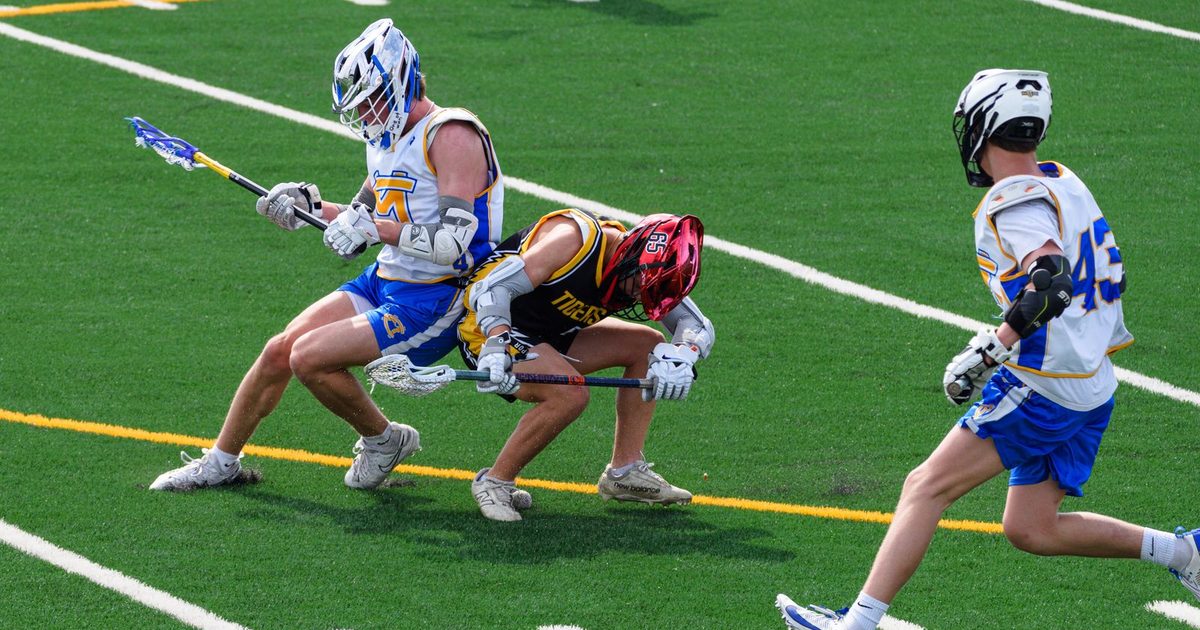
Boys lacrosse rules essentials covering allowed body and stick checking, required protective equipment, common fouls, and how the boys game differs from the girls game.
- Girls Lacrosse Rules in Depth: Draw, Checking, Sphere, and Shooting Space
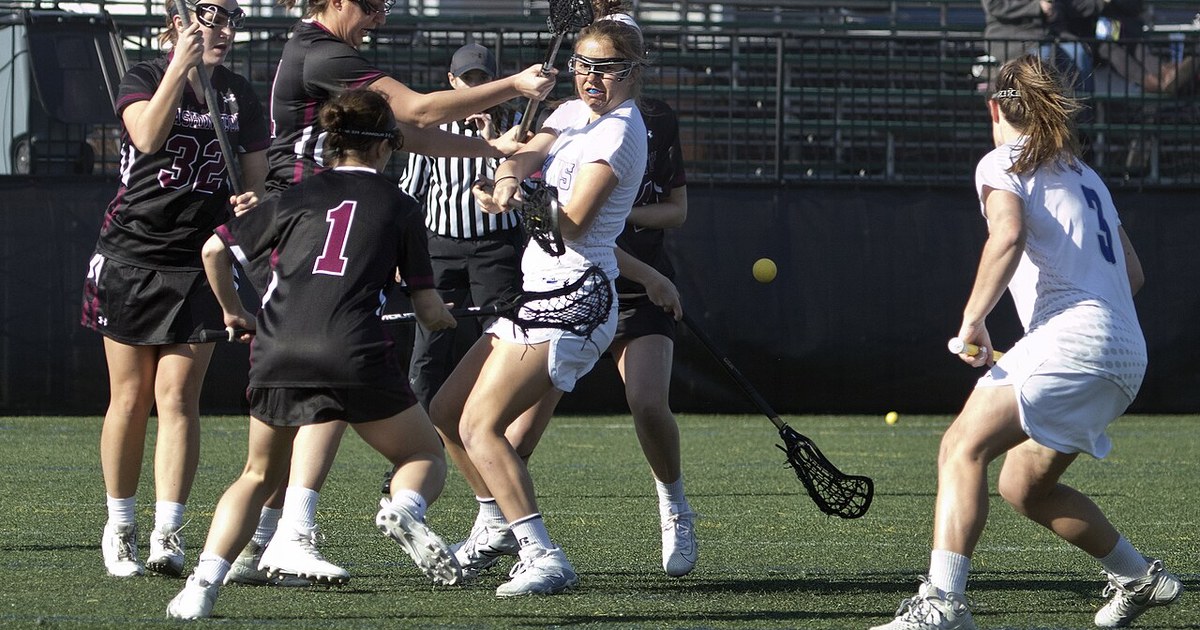
Girls lacrosse rules in depth, explaining the draw, modified checking, the sphere, shooting space, common fouls, and yellow and red cards in plain language.
- Girls Lacrosse Rules in High School: What Changes at the Varsity Level
High school girls lacrosse rules in plain language, covering the quarter format, full checking, the draw, shooting space, the three second rule, cards, and free positions.
- High School Lacrosse Rules: NFHS Game Structure, Fouls, and Penalties
A high school lacrosse rules overview under NFHS covering game structure, overtime basics, common fouls with penalty times, and how high school play differs from youth play.
- How to Play Girls Lacrosse: A New Player Guide
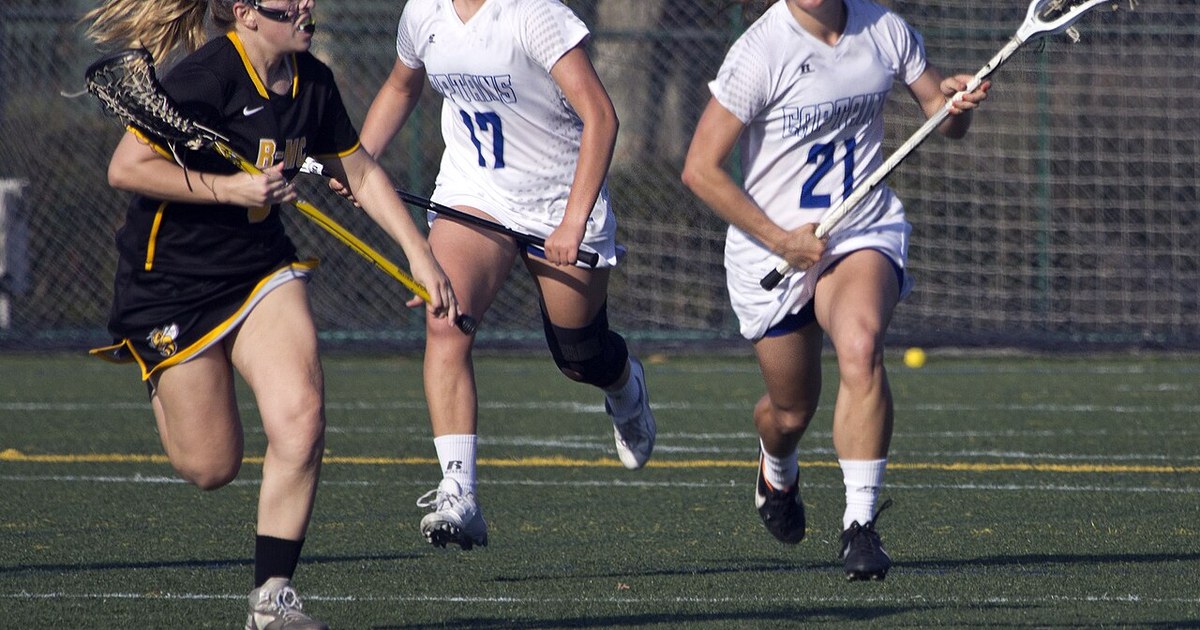
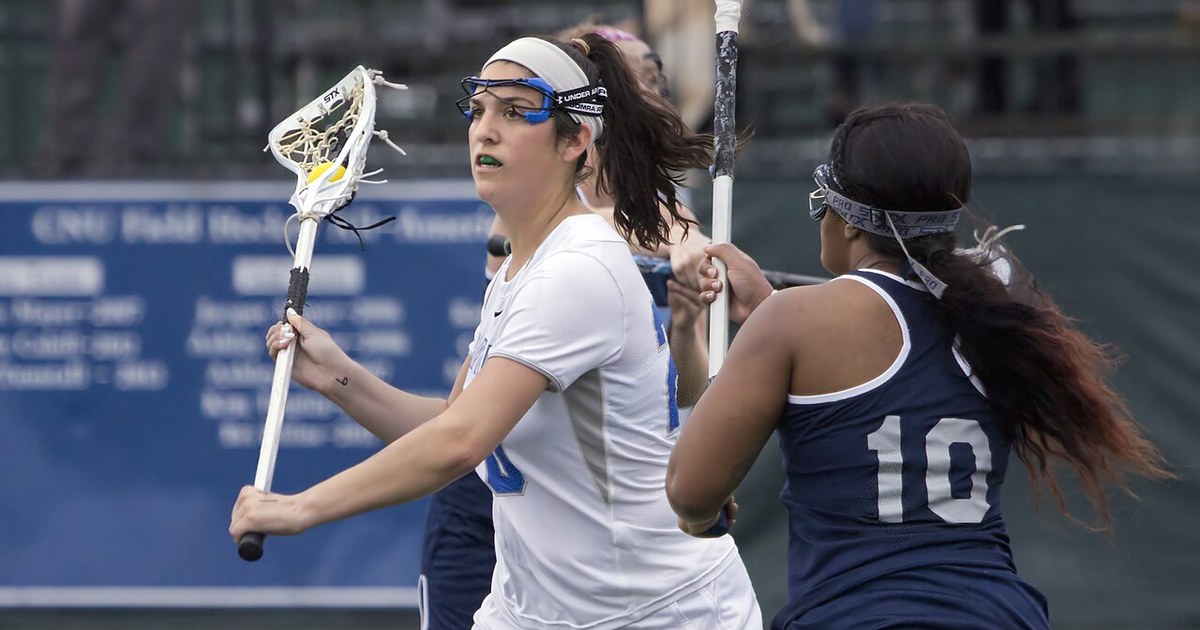
How to play girls lacrosse, covering the 12 player setup, the draw, checking limits, protective gear, and the key differences from the boys game.
- How to Play Lacrosse for Kids: A First Practice and First Skills Guide
A first session guide for a child new to lacrosse covering what happens at a first practice, the basic skills in learning order, simple first drills, and the gear a child wears.
- How to Play Lacrosse: A First Game Guide for Players and Fans
How a lacrosse game actually flows, from equipment and the opening faceoff or draw through scoring, substitutions, and the stoppages new fans see most.
- Lacrosse Body Checking Rules: What Is Legal and What Draws a Flag
Body checking rules in boys and mens lacrosse, covering legal checks, checks that draw flags for contact to the head, from behind, and late hits, and youth restrictions.
- Lacrosse Penalties and Fouls: Personal, Technical, and Cards Explained
Penalties and fouls across lacrosse, covering personal versus technical fouls and penalty times in the mens game, girls game fouls and cards, and man up and man down play.
- Lacrosse Positions: Every Role in Mens and Womens Field Lacrosse
A complete reference to every lacrosse position, with counts, jobs, and field areas for the mens 10 player game and the womens 12 player game.
- Lacrosse Rules Explained for New Fans and Parents
The complete rules of field lacrosse in plain language, covering the objective, quarters, faceoffs and draws, possession, out of bounds, and fouls.
- Lacrosse Rules for Kids: The Simple Version for Players and Parents
Lacrosse rules explained in plain language for kids and parents together, covering the few rules a young player needs first, a simple glossary, and what the whistle usually means.
- Youth Lacrosse Rules Explained for Parents
Youth lacrosse rules for parents, covering age based divisions, smaller fields, modified checking and stick rules at young ages, and why the modifications exist.