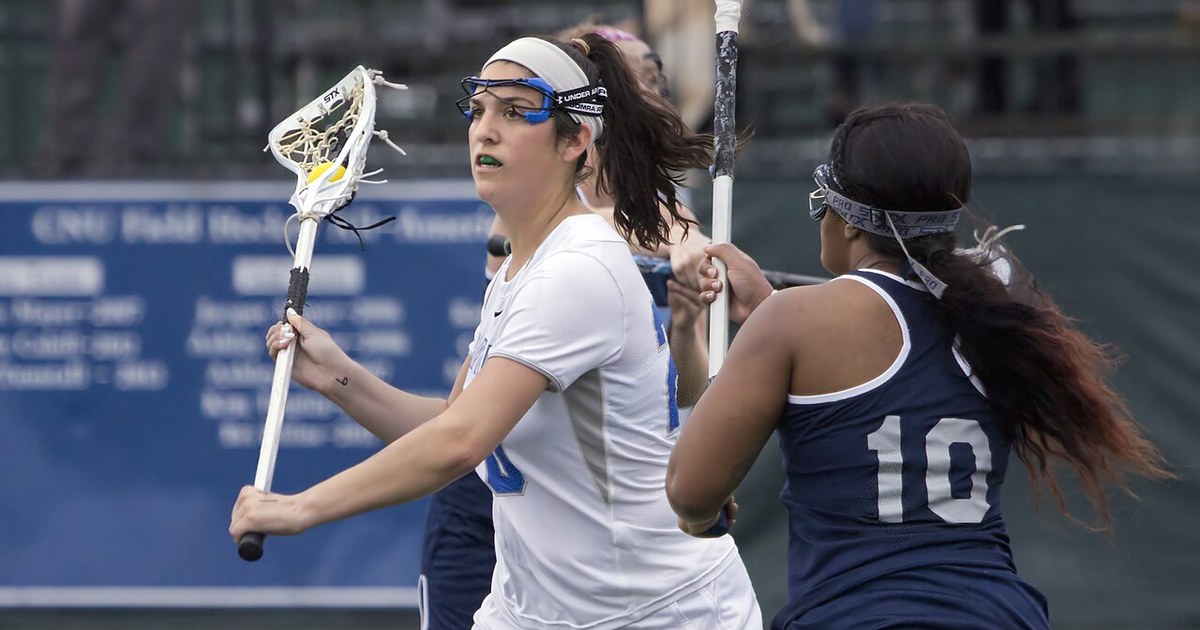
A Faster, Fuller Version of the Girls Game
High school is where the girls game becomes the full game. The field still holds 12 players a side, the draw still starts play, and body checking is still never allowed. What changes is the checking level, the game format, and the speed at which fouls are punished.
One warning first. The game is governed state by state. Most states play under the NFHS girls rulebook, some adopt USA Lacrosse womens rules, and many blend the two. The structure below is the shared national picture; your state adoption is the final word.
The High School Format at a Glance
| Item | High school girls game |
|---|
| Players per side | 12, including the goalie |
| Game format | Four quarters of 12 minutes at varsity in most states |
| Restart after goals | Draw at center |
| Checking | Full stick checking, controlled and away from the head |
| Body checking | Never allowed |
| Field player stick | 35.5 to 43.25 inches, one range for every position |
| Goalie stick | Longer than a field stick, with a wider head |
| Offside control | Restraining line: at most 7 attackers and 8 defenders, goalie included, in the scoring end |
A few states still play two halves instead of quarters, which is why older guides disagree with newer ones. The 12 player structure, the draw, and the ban on body contact do not change anywhere.
The Rules That Decide High School Games
Four rules explain most of what a new high school parent sees.
Shooting space. A defender may not stand in the lane between the ball carrier and the goal unless she is within a sticks length of the player she is marking, because a shooter cannot see a defender hidden in her lane. The penalty is a free position on the 8 meter arc, which is why this call produces so many goals.
Three seconds. A defender inside the 8 meter arc must be actively marking an opponent within a sticks length. Stand in the arc guarding space for more than three seconds and the whistle gives the attack a free position. Defenses beat this rule by attaching to cutters instead of camping in front of the goal.
The sphere. Officials protect an imaginary sphere around each players head. A check that enters the sphere is a foul even if it only hits stick, because the same swing a few inches off hits a head. High school checking is full checking, but it is checking directed down and away, never across or into the sphere.
The restraining line. At most seven attackers may cross into the offensive end, and at most eight defenders, including the goalie, may stay in the defensive end. Cross with one too many and the fast break dies on an offside whistle.
Checking at the High School Level
Youth levels phase checking in gradually, from no checking at the youngest ages to modified checking in middle school. High school is where full checking arrives. A legal check is a controlled tap or strike on the opponents stick, delivered away from the head, firm enough to dislodge the ball. Checks across the body, checks into the sphere, and any body contact remain fouls.
Fouls, Free Positions, and Cards
Most fouls restart as a free position: the fouled player takes the ball at a marked spot while opponents move to the required distance. Major fouls near the goal put the shooter on the 8 meter arc with a clear lane.
| Foul | What it looks like | Usual result |
|---|
| Shooting space | Defender standing in the shot lane unattached | Free position on the 8 meter arc |
| Three seconds | Defender camping in the arc without marking | Free position on the 8 meter arc |
| Dangerous check | Check into the sphere or across the body | Free position, card if reckless |
| Illegal body contact | Push, block, or body check | Free position, card if severe |
| Offside | Too many players over the restraining line | Possession to the other team |
| Empty stick check | Swing at a stick that holds no ball | Free position |
Cards add consequences on top of the restart. A green card is a warning level penalty, a yellow card sends the player off for 2 minutes while her team plays short, and a red card ends that players game. Card details follow your states adopted book.
Equipment Checks Officials Actually Run
Officials check two things on field players. The stick must measure between 35.5 and 43.25 inches, and the pocket must pass the womens pocket test: with the ball in the pocket and the stick held horizontally, the top of the ball must stay visible above the top edge of the sidewall. A stretched pocket fails even if it passed in the spring. Goalies wear a helmet with a throat guard, a chest protector, goalie gloves, and shin guards, required for girls and womens goalies at most levels, plus pelvic protection.
The Quarter Format and the Clock, in Practice
High school girls games under the current NFHS structure run in quarters rather than the halves many parents grew up watching, and the change alters more than the schedule of water breaks. Shorter periods mean more restarts, more chances for a coach to reset a matchup, and a clock that stops in situations where a running clock once quietly ate a comeback. Tournament and state playoff games can still differ from regular season league games, so the format sheet for the event in front of you always outranks general memory.
For players, the quarter break is a coaching moment: sixty to ninety seconds to name one adjustment. Teams that use it for a single clear instruction, such as shading a feeder to her weak hand, come out sharper than teams that use it for a speech.
Self Starts and the Faster Restart Game
One of the biggest practical changes a player meets at the high school level is how quickly play restarts after minor fouls away from the scoring area. Where the level allows a self start, the fouled player may begin again on her own once she is set and opponents have given the required space, without waiting for a whistle and a full setup. The effect compounds across a game: fewer stoppages, more transition, and a premium on players who reset fast and scan early instead of arguing the call.
Defenders have to learn the mirror skill. After fouling away from the arc, the job is instant: give the space, find a mark, and be goal side before the restart happens, because the restart will not wait for you.
The Stick Check Before the Game
Officials at the high school level check sticks, and the checks are not theater. The pocket tests are the same two the girls game uses everywhere: with the stick held flat, the top of the ball must show above the sidewall, and turned upside down, the ball must fall out freely. A stick that fails is removed until it is fixed, and a player whose game stick fails minutes before the draw needs a legal backup strung the same way, which is why serious programs test every stick at practice the day before a game rather than discovering a deep pocket at the field.
Coaches build the habit early in the season: sticks on the line, balls in the pockets, two tests each, thirty seconds per player. It is the cheapest insurance in the sport.
Scouting the Rulebook: What Varsity Coaches Actually Emphasize
Ask varsity coaches which rules decide their games and the same four come back. Shooting space, because it turns defensive help into free position shots. The three second rule, because a single planted defender inside the arc hands over the same chance. Restraining line counts during transition, because a fast break dies when a seventh attacker crosses early. And card discipline, because two minutes short handed against a good settled offense is close to a goal conceded. None of these is exotic. High school games are decided by the rules players learned at fourteen, applied at eighteen year old speed, which is why the programs that drill rule situations in practice, not just skills, keep winning the close ones in May.
A Parent Guide to the Varsity Sideline
The varsity game moves faster than the youth game in every way: the draw is contested harder, free positions are shot harder, and the officiating lets legal physical position play go further than many new varsity parents expect. Two habits make the season better. Learn the four calls above so the whistles read as information instead of noise. And let the coach carry every rules conversation with the officials. At the high school level, sideline commentary about calls reaches the bench, the players, and occasionally the official report, and none of those destinations helps your player.
End of Game Rules: The Last Two Minutes
Late in a close varsity game the rules tighten around the team that is winning. The clock stops on whistles in the final minutes under most state adoptions, stalling tactics draw delay calls, and a team protecting a lead must keep the ball moving toward the goal rather than simply away from defenders. Defenders, meanwhile, defend the last possession knowing one foul inside the arc likely decides the game. Coaches rehearse this exact segment, the two minute drill, because it is the only part of the game where the rulebook, the clock, and the score all press on the same decision at the same time.
Frequently Asked Questions
Is girls high school lacrosse full contact?
No. Stick checking is full at the high school level, but body checking is never allowed in the girls game at any level. Contact is limited to controlled checks on the stick, away from the head.
How long is a high school girls game?
In most states the varsity game is four quarters of 12 minutes. A few states still use two halves, and junior varsity formats are often shorter. Your state association sets the exact format.
What changes most from the youth girls game?
Three things: full checking replaces modified checking, the format becomes the full quarter based game, and officials enforce shooting space, three seconds, and the sphere strictly at speed.
Do high school girls lacrosse players wear helmets?
Field players wear certified eyewear and a mouthguard, and some choose optional headgear that carries the ASTM mark for girls headgear. A hard helmet is not part of the girls field player uniform at any level. The goalie is the exception: she wears a helmet with a throat guard as part of her full protective set.
What is a self start in girls lacrosse?
A self start lets the fouled player restart play on her own after a minor foul away from the scoring area, once she is settled with the ball and opponents have given the required space, instead of waiting for the official to set a formal restart. It keeps the high school game moving and rewards teams that reset quickly.