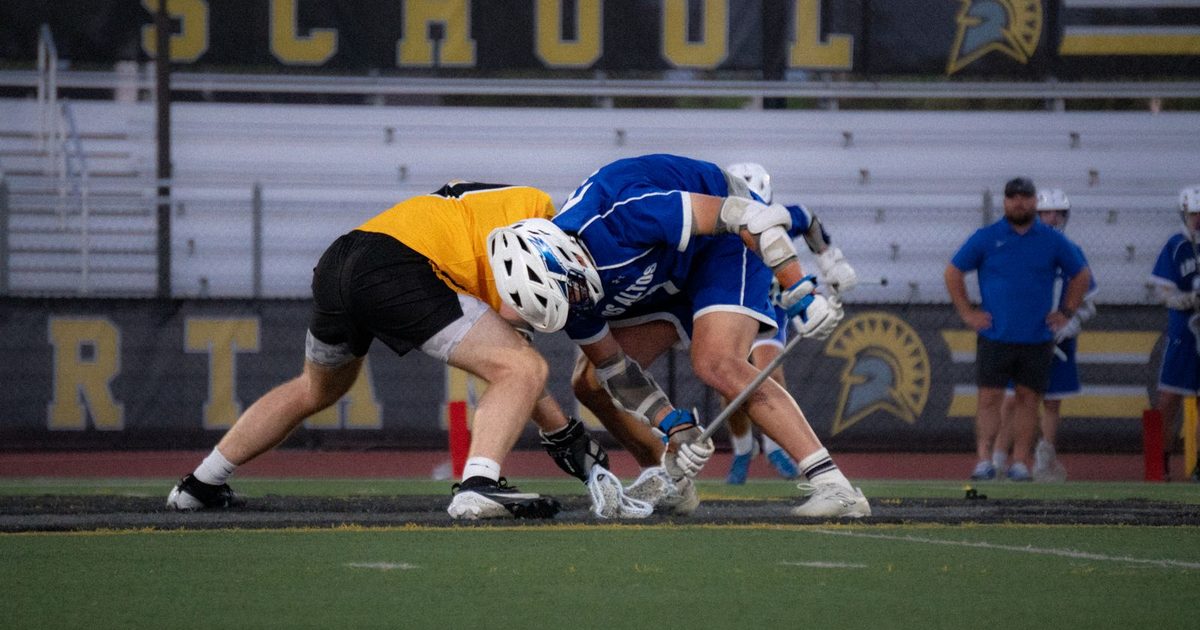
Twelve Players, Four Main Roles
In full field girls lacrosse, each team puts twelve players on the field: one goalie, defenders, midfielders, and attackers. The exact split varies by team system, but a common structure uses four attackers, four midfielders counting the center, and three defenders plus the goalie in the defensive end. Youth formats use fewer players, yet the roles teach the same ideas.
Positions in girls lacrosse are fluid. An attacker must defend during a ride, and a defender must handle the ball during a clear. Still, each role has a home area, a primary job, and a set of skills that matter most. Learning those jobs helps new players watch the game and helps parents understand why a coach places a player in a particular spot.
Attack: Finish and Create
Attackers play primarily in the offensive end near the opposing goal. Their jobs are to score, to assist teammates, and to keep possession under pressure in tight space. Good attackers move constantly without the ball, cutting through the area in front of the goal to get open or to clear space for a teammate.
Key attack skills include catching in traffic, quick passing, accurate shooting with both hands, and smart one on one dodging from behind the goal or from the wings. Attackers who stand still are easy to mark. Attackers who time their cuts with the ball carrier movement create most youth goals.
Behind the goal is an important attack position. The player there acts like a feeder and a quarterback, seeing cutters in front while threatening to dodge around the crease herself. Many settled offenses run through that spot.
Midfield: The Engine of the Team
Midfielders play the full field. They help the defense, win ground balls in the middle, carry or pass the ball through transition, and join the attack. It is the most running intensive role and often suits versatile athletes who can do a bit of everything.
The center midfielder takes the draw or plays on the circle to collect it. Wing midfielders line up near the circle at the draw and become crucial in the first seconds of possession, sprinting to the ball or back on defense depending on who wins it.
Midfield skills emphasize speed, endurance, ground balls, and two way decision making. A midfielder must know instantly whether to push forward for a fast break or to slow down and let the team set up its offense. Coaches often place their most reliable all around players in the midfield early in a season.
Defense: Protect the Goal Area
Defenders play primarily in front of their own goal. Their jobs are to mark attackers, prevent clean shots, double team the ball when the system calls for it, and start the clear after a turnover or a save. Good defense is played with the feet first: staying between the attacker and the goal, forcing the attacker toward help or toward a weak hand, and using controlled checks only when the opportunity is clean.
Communication defines strong defense. Defenders call out cutters, warn about picks, and tell the goalie and each other who has the ball. A quiet defense concedes goals that a talking defense prevents.
Defensive skills include footwork, body positioning, legal stick checks, clearing passes under pressure, and disciplined respect for rules such as three seconds and shooting space. A defender who fouls repeatedly near the goal gives away free position chances, so control matters as much as aggression.
Goalie: Last Line and First Pass
The goalie protects a goal that is large relative to her body, against shots that can come from close range. She uses a wide headed goalie stick, a helmet with a throat guard, chest protection, and padded gloves and leg protection. Her stance, positioning on an arc inside the crease, and ability to track the ball into her stick decide most saves.
A modern goalie is also the start of the offense. After a save, her clear, meaning her outlet pass to a teammate, can launch a fast break if it is quick and accurate. Goalies must be vocal, directing defenders before shots happen. Players who enjoy anticipation, quick reactions, and leadership often thrive in goal even if they arrived there by chance.
Goalie is a specialized role. Young players should try it with proper team equipment and coaching, and no player should be placed in goal without full protective gear.
The Draw: A Position and a Skill
The draw starts play at center. The player who takes the draw needs quick hands, timing, and a plan: win the ball to herself, direct it to a teammate on the circle, or at minimum prevent a clean win for the opponent. Height and reaction speed help, but practiced technique and variation matter more over a full game.
Circle players at the draw are positions in miniature. They must read the ball flight, box out, and scoop under pressure, then make an instant decision to attack or to secure possession. Teams that win the draw consistently control the pace of the game, which is why coaches practice this brief moment so often.
Which Position Suits a New Player
New players often start in midfield in youth formats because the role teaches the whole game and guarantees touches in all areas. Players who love scoring chances may lean toward attack, players who love one on one challenges and teamwork may lean toward defense, and brave, vocal players may discover goalie.
The best advice is to stay open for the first seasons. Skills transfer across positions, coaches need versatile players, and a role that fits at age ten may not fit at age fourteen after growth and experience. Understanding every position makes a player better at her own, because she learns what her teammates need from her on every possession.
The Position Map in Numbers
| Role | Players per side at full field | Home zone | Stick | First stat that shows the job is working |
|---|
| Attack | 4 | Offensive end, including behind the goal | Field stick 35.5 to 43.25 inches | Shots created for teammates, not only shots taken |
| Midfield | 3 | Both ends, full field runs | Field stick | Ground balls won between the restraining lines |
| Defense | 4 | Defensive end, in front of the goalie | Field stick | Shots forced from poor angles |
| Goalie | 1 | The crease and the arc area | Goalie stick 35.5 to 52 inches | Clears completed to a teammate in stride |
| Draw specialist | 1 of the midfielders | Center circle at the draw | Field stick | Draws directed to a planned target |
The counts describe the standard twelve player structure used at the full field level: four attack, three midfield, four defense, and one goalie. Youth formats shrink the field and the numbers while keeping the same four jobs, which is why a young player who learns the jobs can step into any format and know where to stand.
How Positions Change During One Possession
A settled attack possession shows the fluid side of the map. The player behind the goal becomes a feeder. Two attackers cut in sequence while the third balances high as a safety outlet. Midfielders hover at the top of the scoring area, ready to shoot from distance or to sprint back if the ball turns over. On a turnover, the same players instantly become the ride, and the nearest midfielder becomes the first defender. Coaches teach positions as starting points for these rotations, not as fixed addresses, and the players who rotate earliest are usually the ones who understood their home job first.
Trying Goalie and the Draw: Two Specialist Paths
Goalie and draw specialist are the two roles a player can grow into from any starting position. The goalie path begins with borrowed team equipment, arc footwork, and short reaction drills, and it suits players who track a ball well and talk constantly. The draw path begins with wrist snap repetitions and circle ground ball work, and it suits players with quick hands who stay calm in a scrum. Both paths reward early specialization less than families expect: most strong high school goalies and draw takers played field positions first and brought that field sense with them into the specialty.
How Coaches Assign Positions in the First Season
First season assignments follow a simple logic that parents sometimes misread as a verdict. Coaches start most beginners at midfield because the role touches every skill and reveals strengths fastest. The player who finishes everything drifts toward attack over the following weeks. The player who reads passing lanes and talks drifts toward defense. The player who volunteers for the hardest job and tracks the ball fearlessly gets a goalie trial with borrowed gear. The quick handed player who stays calm in a crowd gets draw repetitions. None of these assignments are permanent, and coaches move players deliberately so that a ten year old is never locked into the role her first coach guessed at. The healthiest question a parent can ask in season one is not why a child plays a position, but what the child is learning there.
What College and High School Coaches Notice by Position
Older players ask what evaluators actually watch, and the answers are refreshingly unglamorous. At attack they watch off ball movement and whether a cutter clears out after a failed cut. At midfield they watch the first three steps after a turnover in both directions, because transition honesty cannot be faked. At defense they watch feet before stick, and whether a defender talks before the shot rather than after it. At goalie they watch the clear as much as the save, because a keeper who starts breaks changes games. At the draw they watch whether the taker varies her placement or serves the same ball to the same spot all game. None of these require rare athletic gifts. All of them are habits a youth player can start building this season.
Frequently Asked Questions
How many midfielders are on a girls lacrosse team?
A full field girls team fields three midfielders, one of whom usually takes the draw at center while the other two start on the circle. Midfielders cover the most ground of any role because they play offense, defense, and every transition between the restraining lines.
What position is best for a fast beginner?
Midfield is the usual answer, because speed shows immediately there and the role teaches the whole game at once. A fast beginner who cannot yet catch under pressure will still struggle, so pair the placement with wall ball work. Speed plus developing hands at midfield produces a player every coach finds minutes for.
Do girls lacrosse defenders use long sticks?
No. The girls game has no long pole at any level. Every field player, defender included, uses a stick inside the same 35.5 to 43.25 inch range, and only the goalie stick runs longer, up to 52 inches. Defense in the girls game is built on footwork and positioning rather than reach.
What does the player behind the goal actually do?
She runs the offense as a feeder. From behind the goal she sees every cutter in front, feeds them in sequence, and threatens to dodge around the crease herself when her defender leans toward the pass. Settled youth offenses often score more through that feeder than through any individual dodge.
Can a player change positions between seasons?
Yes, and most do. Growth, speed changes, and new skills move players constantly at youth level. A defender who develops a strong shot becomes an attacker, a midfielder with quick reactions tries goalie. Coaches value the versatility, and understanding a second position makes a player better at her first one.