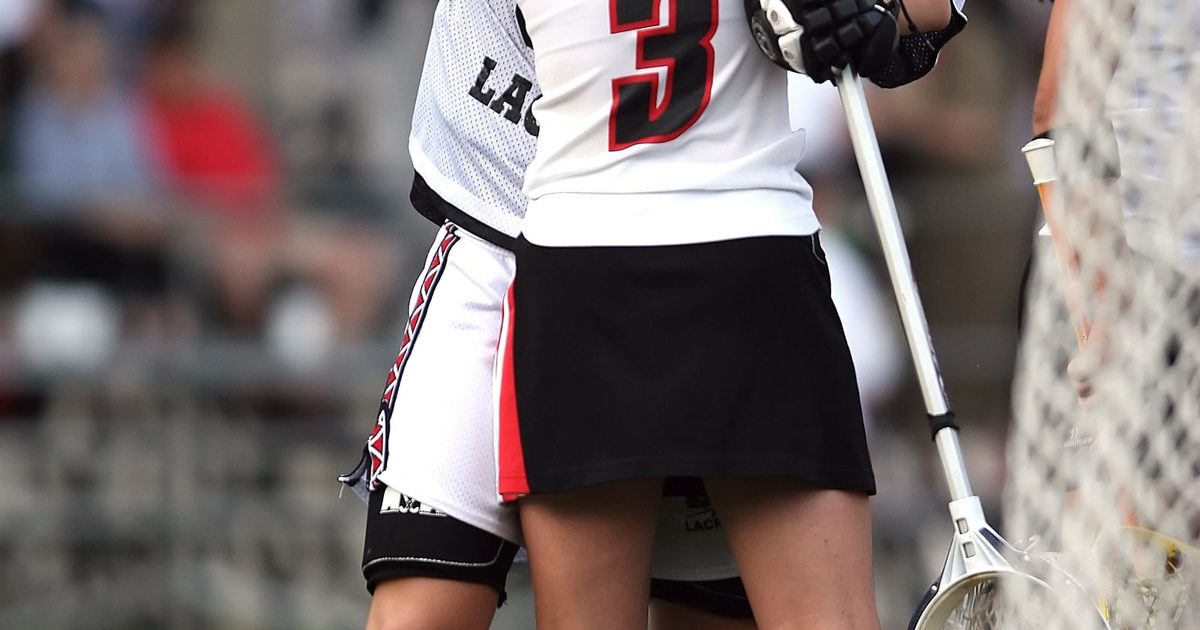
How the Game Works
The game begins with a draw at the center of the field. Two players place their sticks together with the ball between them, and on the whistle they pull and lift to send the ball into the air for themselves or a teammate on the circle to collect.
Once a team has the ball, it advances toward the opposing goal by running with the ball while cradling and by passing to teammates. Cradling is the gentle rocking motion that keeps the ball in the shallow pocket. Defenders try to slow the carrier, force a poor pass, or check the stick legally to dislodge the ball. When the ball hits the ground, any player can scoop it, and ground balls decide many youth games.
Shots are taken toward a goal guarded by a goalie, with a crease around the goal that attackers cannot step into. After a goal or a goalie save, play restarts quickly. Teams also learn to clear the ball from their defensive end and to ride, meaning to pressure the other team attempt to clear, so possession can change anywhere on the field.
Offside and restraining line rules keep a minimum number of players on each side of the field at higher levels, which prevents all players from crowding around the ball. Youth modifications simplify these ideas so the game stays open and instructive.
How Girls Lacrosse Differs From Boys Lacrosse
The most visible difference is equipment. Girls field players wear goggles and a mouthguard and use a stick with a shallow pocket. Boys field players wear helmets and full pads and use sticks that allow a deeper pocket. The difference in equipment reflects a difference in contact rules.
In the girls game, body contact is limited and stick checking is controlled. A legal check is a short, controlled tap to the head of the opponent stick to dislodge the ball, performed away from the body and never toward the head. Dangerous swings, body checks, and holding are fouls. In the boys game, body checking is a legal part of play within its rules, which changes defensive technique completely.
The girls game also has distinctive rules such as the sphere around a player head, where an opponent stick cannot enter, and shooting space rules that protect a clear path to goal. These rules reward positioning, footwork, and timing over physical force, and they make the girls game especially good for developing stick skills and field awareness.
Field markings and the draw are also distinctive. Once a family watches a few games of each version, the two games feel clearly different even though they share a name and a ball.
Skills a New Player Learns First
New players start with four fundamentals: cradling while walking and then running, throwing and catching with a partner, scooping ground balls on the move, and basic defensive footwork that keeps the body between the opponent and the goal.
Wall ball, which is throwing against a sturdy wall and catching the return, builds more skill per minute than almost any other solo practice. Ten focused minutes a day with both hands will transform a beginner catching within weeks. Coaches value players who can use both hands because the game constantly asks for the stick to be on the side away from pressure.
Fitness for girls lacrosse is mostly repeated sprinting and recovery, with constant changes of direction. Youth training should emphasize fun, coordination, and short bursts rather than heavy conditioning.
How to Start Playing
Find a local youth program, town league, or school team that offers a beginner clinic or a learn to play season. Those programs usually lend guidance on equipment and teach rules progressively. Before buying a full set, confirm what the program requires: typically a girls stick, goggles, a mouthguard, and cleats.
Attend a practice or game as a spectator first if your child is unsure. Watching peers play answers questions that descriptions cannot, especially about pace and contact level. Most new players discover the game is welcoming because every player on the field was recently a beginner who dropped passes too.
At home, start with short and successful sessions: soft tosses at close range, ground balls on grass, and simple keep away games that reward passing. Keep early experiences positive and brief. A player who ends each session wanting one more throw is a player who will return, improve, and eventually love the speed and teamwork that make girls lacrosse special.
The Field, the Lines, and the Clock
A full size girls field runs about 120 yards long and 70 yards wide at the senior level, with youth fields marked smaller. Three markings explain most whistles. The crease is the circle around each goal that attackers may not enter. The 8 meter arc and the 12 meter fan in front of each goal shape where defenders must respect shooting space and where free position restarts are set. The restraining lines, set 30 yards from each goal line at the full level, limit how many players may be inside the scoring area at once, which keeps seven attackers and seven defenders plus the goalie as the maximum settled picture.
Games at the high school level and above are commonly played in halves or quarters depending on the governing body and season, with a running or stopped clock by level. Youth games use shorter periods and a running clock in most programs. When a family moves between levels, the clock format is one of the first things to confirm with the league sheet, because end of game strategy changes completely between a stopped clock and a running one.
A First Season Timeline
Month one is about holding the stick correctly, cradling without looking down, and learning that ground balls are won with the body low and the top hand slid down the shaft. Month two adds partner passing on the move, the shape of the draw, and the first defensive stance work. By month three most beginners can play a small sided game with real spacing, understand why a cutter clears out after her cut, and recognize a free position restart when it is awarded. That pace is normal. A player who looks lost in week two and competent in week ten has followed the standard beginner curve, not a slow one.
Watching Your First Game: A Parent Field Guide
Sit where you can see the whole offensive end rather than following only your child. Watch three things in order. First, the draw: who controls the ball in the first five seconds predicts which team dictates the next few minutes. Second, spacing: an offense with players spread behind the goal and on both wings will create shots, while a clumped offense will not. Third, the goalie clear after a save: a quick, accurate outlet starts a fast break, while a slow clear lets the riding team set its pressure. A parent who can see those three patterns can follow any girls game at any level.
Positions at a Glance for New Families
New spectators follow the game faster with a simple map. The four attackers live near the opposing goal and hunt shots and feeds. The three midfielders run the whole field, take the draw or fight for it on the circle, and connect defense to attack. The four defenders guard the area in front of their own goalie, marking attackers and starting clears. The goalie defends the 6 by 6 goal from inside the crease and throws the first pass of every clear. When the ball changes hands, every role flips: attackers become the first pressure, defenders become passing options, and the map redraws itself in seconds. Watching one midfielder for a full quarter teaches the rhythm faster than following the ball for a whole game.
The Vocabulary of a Girls Game in Twelve Words
Draw: the standing restart at center that opens play. Cradle: the rocking motion that holds the ball in a shallow pocket. Sphere: the protected space around a player head. Shooting space: the lane a defender may not occupy for free. Free position: the protected restart after a foul, sometimes a direct shot. Clear: the advance out of the defensive end after a save. Ride: the pressure applied against that clear. Crease: the circle only the goalie owns. Arc: the 8 meter fan where close fouls become free position shots. Fan: the 12 meter arc for lesser restarts. Restraining line: the boundary that caps players in the scoring area. Card: the sanction that removes a dangerous or repeat fouler. Twelve words, and a new family can narrate a full game accurately.
Frequently Asked Questions
How many players are on a girls lacrosse team on the field?
A full field girls team plays with twelve players per side: four attack, three midfield, four defense, and one goalie. Youth formats reduce the numbers, sometimes to seven per side, so beginners touch the ball more often and learn spacing on a smaller field.
What is the difference between girls and boys lacrosse sticks?
A girls field stick has a narrower head, 7 to 9 inches wide, and a shallow pocket tested by two rules: the top of the ball must show above the sidewall with the stick held flat, and the ball must fall freely when the stick is inverted. A boys field head runs 6 to 10 inches wide and allows a deeper pocket, judged by whether the top of the ball stays above the bottom edge of the sidewall.
At what age can a girl start playing lacrosse?
Many programs start players at 6U with modified rules, smaller sticks, and no goalkeepers in some formats. The right starting age is the age at which a local program offers a learn to play group for her division, because USA Lacrosse youth rules scale field size, checking, and game length to the age group.
Do girls lacrosse players wear helmets?
Field players do not wear helmets in the standard girls game. They wear ASTM certified eyewear and a mouthguard. The goalie wears a helmet with a throat guard plus full goalie protection. Optional headgear exists for field players and must meet the same ASTM standard, but it is an addition to eyewear, never a replacement for it.
How long does it take to learn cradling and catching?
Most beginners cradle comfortably at a walk within two or three weeks of short daily practice, and catch a partner pass reliably within the first two months. Ten minutes of wall ball a day with both hands is the fastest known shortcut, because it multiplies clean repetitions far beyond what team practice alone provides.