The Stick
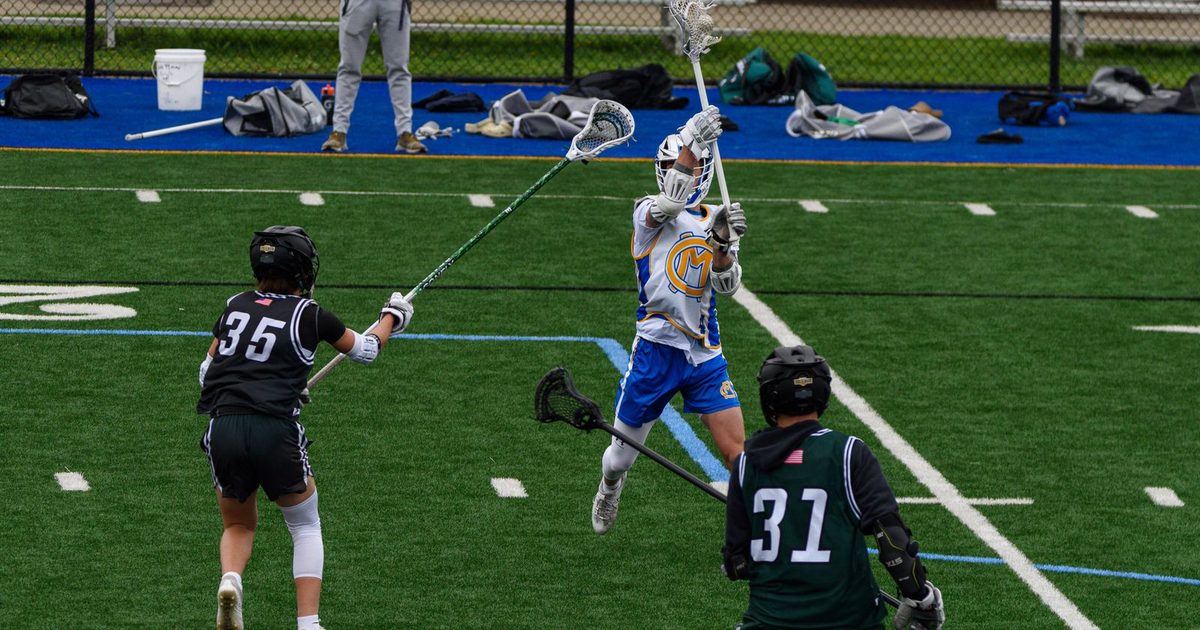
The stick must be made for the girls game, with a pocket shallow enough that the top of the ball remains visible above the top edge of the sidewall when viewed from the side. A complete stick with a factory strung pocket is the best start for beginners. Check legality with a coach before the first game, and recheck it as the pocket stretches.
Choose a head shape that helps the player level. Beginners benefit from a wider, forgiving head. More experienced players may prefer a narrower head for control. The shaft should be comfortable in both hands and light enough for one handed cradling without strain.
Carry a backup stick if possible at the team level. Pockets break and heads crack, and a legal backup prevents a player from sitting out.
Goggles: Required Eye Protection
Goggles protect the eyes and the surrounding area from ball and stick contact. They are required for field players and must meet the safety standard for the level of play. Fit is critical. The frame should sit close to the face, the strap should hold without excessive tightness, and vision should be clear in all directions, including peripheral vision for passes coming from the side.
Try goggles on with the player hair in its game style and with a mouthguard in place, because that is how she will actually play. If she wears glasses, ask about models designed to fit over glasses or about sports specific prescription options through an eye care professional. Never let a player use damaged goggles with a bent cage or cracked frame.
Some leagues allow soft headgear in addition to goggles. Headgear is not a substitute for goggles, and rules on headgear vary, so confirm with your league before purchasing.
Mouthguard: Small Item, Strict Rule
A mouthguard is required and must be worn properly during play. It should cover the upper teeth, stay in place when the player talks and runs, and allow her to breathe and call for the ball. Many leagues require a mouthguard that is visible in color, not clear or white, so officials can confirm it is in place. Confirm the color rule for your league.
Mold the mouthguard exactly as the maker directs, and store it in a ventilated case in the gear bag. Buy a backup at the same time. Mouthguards get lost, dropped in dirt, and chewed. A backup in the bag has saved many game days. Replace a mouthguard when it no longer fits snugly or shows heavy wear.
Cleats and Footwear
Cleats provide traction for sprinting, cutting, and stopping on grass. Turf shoes may be better on artificial turf or hard dry fields, depending on the surface and league rules. The best choice is the shoe that fits securely without pinching, supports quick lateral movement, and matches the primary playing surface.
Break in new cleats at practice before wearing them in a game. Blisters from brand new shoes are a common and avoidable problem. Keep a pair of slides or sneakers in the bag for before and after play so cleats stay on the field where they belong.
Gloves: Usually Optional, Often Helpful
For girls field players, gloves are optional in most leagues. Girls gloves are lighter and more flexible than boys gloves, offering grip and light protection without restricting hand movement. They help in cold weather, in rain, and for players who want a more secure feel on the shaft.
If a player chooses gloves, they should still allow her to slide her hands freely for passing and shooting. Try them with the actual stick. Goalie gloves are a different category: they are protective, padded, and required as part of the goalie set.
Goalie Equipment Is a Separate Checklist
A girls goalie wears a helmet with a throat guard, a chest pad designed for lacrosse goalies, padded goalie gloves, and leg protection, along with a goalie stick with a much wider head. Some goalies add padded pants or shin guards as allowed by the rules. Every piece must fit and be in good condition because the goalie faces hard shots at close range.
Never assemble a goalie set from field gear. If your child is trying goalie, work with the coach to borrow a properly fitted team set first before buying.
Optional Extras That Help the Season Run Smoothly
A gear bag, a second mouthguard, hair ties, sunscreen, a water bottle, and a small towel cover most tournament and practice needs. A practice ball for wall ball, stick tape, and a simple string kit help with home practice and minor repairs. In cold weather, thin layers that fit under a uniform keep a player warm without restricting movement.
Final Check Before the First Practice
Lay everything out the night before: stick checked for a legal pocket, goggles fitted, mouthguard in its case, cleats packed, gloves if used, water bottle filled. A two minute checklist at home prevents a stressful sideline search, and it teaches the player to own her equipment from the start.
The Standards Behind the Checklist
Two certifications sit underneath this whole list. Eyewear for the girls game must meet the current ASTM standard for womens lacrosse eye protection, and certified products carry an SEI mark from independent testing. USA Lacrosse maintains the framework that leagues adopt, and officials at higher levels can and do check for the mark on eyewear and on optional headgear. The practical lesson is to buy eyewear from current season stock through a lacrosse retailer, and to be skeptical of unmarked eyewear sold as lacrosse style rather than lacrosse certified. A product that looks like goggles but carries no certification is costume, not protection, and a league can bar it at the gate.
The stick has its own standard: USA Lacrosse publishes a list of legal womens sticks for high school play, and the pocket tests described in this article apply at every level. When a family buys a complete stick, the model name on the legal list plus a passing pocket test at home covers the legality question before the first practice.
Sizing and Fit Numbers That Matter
Girls field sticks run 35.5 to 43.25 inches complete. Within that window, fit follows the same convention used across this site: a beginner handles the shorter half of the range more easily, and the one hand lift test, holding the stick below the head and raising the head slowly, exposes a stick that is too heavy faster than any chart. Goggles fit is judged by gaps: the frame should sit close at the brow and cheeks with no daylight gap at the temples, and the strap should hold the frame steady through ten hard head turns. Cleats should leave a thumb width at the toe at most; girls players cut constantly, and a loose heel blisters within one tournament day.
A Season Long Equipment Calendar
Preseason: full fit check of every item, pocket test on the stick, mold a fresh mouthguard and a backup. First month: recheck the pocket as new strings stretch, and confirm goggles straps have not loosened. Midseason: inspect cleat studs for wear, replace a chewed mouthguard, and wash gloves before odor sets into the palms. Postseason: dry everything fully, store the stick where the head will not warp under weight, and write down sizes that will need replacing before the next season while the information is fresh. Families who run this calendar rarely face a game week equipment emergency.
Buying Order for a Brand New Player
Shop in the order that protects the first practice. First, the stick, fitted and pocket tested at home, because every drill in the first month runs through it. Second, eyewear, fitted with game day hair and a mouthguard in place, because a goggle problem discovered at practice costs the whole session. Third, the mouthguard, molded that evening and paired with its backup. Fourth, footwear matched to the home surface and broken in on walks and light runs before the first full practice. Last, the optional layer: gloves for cold weather, the gear bag, hair ties, and the practice ball for home work. A family that follows this order can survive any single item being back ordered, because the season critical pieces are already in the bag.
How Equipment Needs Change From 10U to High School
At 10U the priorities are fit, comfort, and a forgiving stick, because a player who fights her gear stops enjoying practice. At 12U the pocket tests and checking rules tighten, so stick legality checks become a monthly habit rather than a preseason event. At 14U speed and shot power rise, and eyewear fit under real game contact deserves a fresh fitting rather than an assumption. In high school the legal womens sticks list governs purchases, backup equipment stops being optional for serious players, and a second stick with a matched pocket becomes a normal part of the kit. The checklist in this article stays the same at every step; what changes is how strictly each line is enforced, and families who raise the standard gradually never face a sudden jump.
Frequently Asked Questions
What goggles are legal for girls lacrosse?
Legal eyewear meets the current ASTM standard for the womens game and carries the SEI certification mark. Fit matters as much as the mark: the frame should sit close to the face with clear vision in every direction. Unmarked fashion eyewear sold in lacrosse colors is not legal protection, no matter how it looks in a product photo.
Does a girls lacrosse player need a helmet?
A field player does not wear a helmet in the standard girls game. She wears certified eyewear and a mouthguard. The goalie wears a helmet with a throat guard as part of the goalie set. Optional soft headgear exists for field players in some leagues and must meet the ASTM standard, but it never replaces eyewear.
How do I check if a girls stick is legal before a game?
Hold the stick flat at eye level and sight along the sidewall: the top of the ball must be visible above the entire sidewall. Then invert the stick: the ball must drop out freely with no shaking. Also confirm the complete length sits between 35.5 and 43.25 inches, and for high school play, confirm the model appears on the USA Lacrosse legal womens sticks list.
Are gloves required for girls field players?
In most leagues, gloves are optional for girls field players. They help with grip, cold weather, and light protection, and they must still let the player slide her hands freely. Goalie gloves are a separate, padded, required part of the goalie equipment set and should never be confused with field gloves when shopping.
What color mouthguard is allowed?
Many leagues require a mouthguard in a visible color, not clear and not white, so officials can confirm at a glance that it is being worn. Rules vary by league and level, so confirm the color rule when you register, and buy the backup mouthguard in the same compliant color at the same time.