Start With Legality, Not Looks
A girls lacrosse head is not a smaller mens head. The womens game is played with a shallower pocket by rule, and heads are designed and approved for that game. A mens head is not legal in the girls game, and a girls head strung beyond the legal pocket depth is not legal either, no matter what it cost. So the first selection criterion is not color, brand, or price. It is whether the head is a womens legal head that can hold a legal pocket.
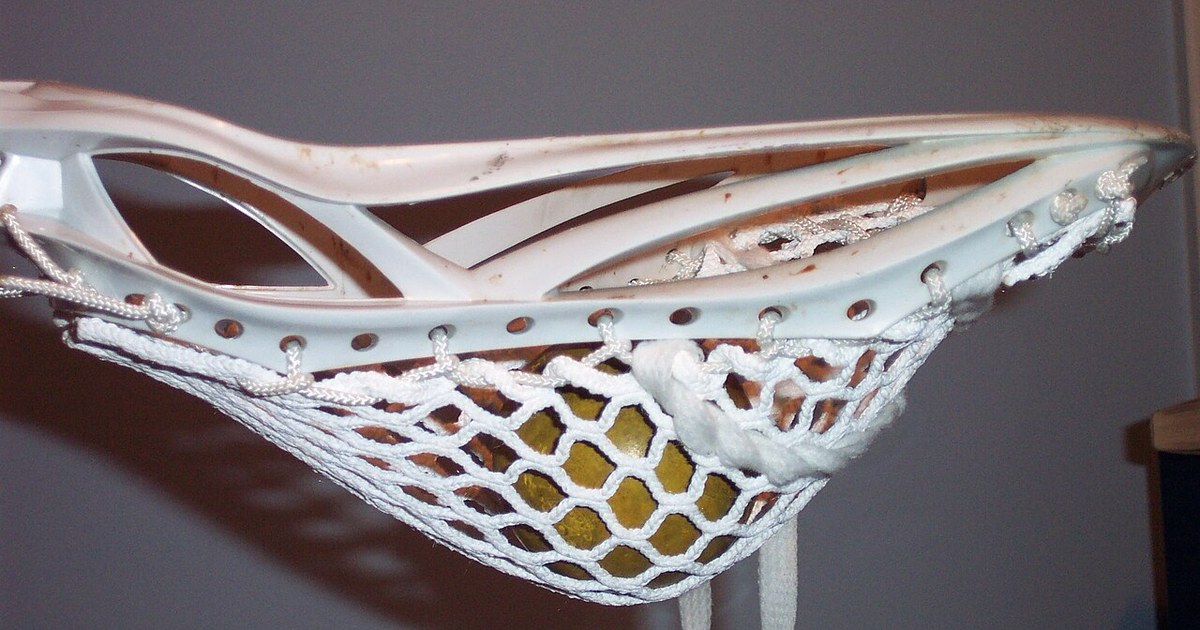
The pocket test is simple enough to run anywhere. Place a ball in the deepest part of the pocket and look at the head from the side. In the womens game, the top of the ball must remain visible above the top edge of the sidewall. If the ball sinks below that line, the pocket is too deep and the stick will fail an officials check. Some buying guides state this test wrong, as half the ball visible or the ball level with the bottom of the sidewall. Neither is the womens test. Use the top edge of the sidewall, and use it every time a pocket is adjusted, because pockets deepen as stringing stretches.
Face Shape: The Decision That Matters Most
| Face shape | Catching area | Release and control | Suits |
|---|
| Wide | Largest, most forgiving | Slower, less precise release | Beginners, defenders who need ground ball and interception margin |
| Mid width | Balanced | Balanced | Midfielders, most developing players |
| Narrow | Smallest | Quickest, most precise release, hardest to catch with | Experienced attackers and draw and midfield specialists |
Face shape is a trade, not a ladder. A narrow head does not make a player advanced; it makes catching less forgiving while rewarding players whose hands are already quick. Beginners catch more, drop less, and learn faster in a wider head, and defenders benefit from the extra width on interceptions and ground balls all career long. Draw specialists are the exception worth naming: dedicated draw heads use a distinct shape built to clamp and direct the ball on the draw, and they are a specialist tool rather than an all-around upgrade.
Offset and the 10-Degree Trap
Most modern womens heads have some offset, a forward cant of the head relative to the shaft that keeps the ball higher in the pocket and improves hold and release. Offset is normal and legal. The trap is the pairing. Heads built on a 10-degree design must be mounted on a 10-degree shaft. A 10-degree head on a straight shaft, or a straight head on a 10-degree shaft, produces a kinked stick with a broken release. When buying a head on its own, confirm which shaft family it belongs to before paying, and when buying a complete stick, this decision has already been made for you.
Stiffness and Stringing
Stiffness trades against flex. A stiffer head holds its shape on checks and ground balls and gives a more consistent release over a season. A more flexible head is forgiving on scoops and cheaper to replace while a player is growing, but it can warp and change the pocket as it softens. Neither is wrong; match stiffness to level, with developing players valuing forgiveness and competitive players valuing consistency.
The head decision includes the stringing that will live in it.
- Traditional stringing: leathers and cross lace, the most adjustable and the most maintenance, with a pocket that breaks in and changes over time.
- Mesh runner: a central mesh channel in a traditional frame, consistent out of the bag and a common first upgrade.
- Full mesh: the most consistent and weather resistant, with the least fine adjustment.
Whichever stringing you choose, judge the head by the pocket it can legally hold, tested with the sidewall check above, not by how deep a pocket it can be forced to carry.
A Buying Sequence
- Confirm the head is made and approved for the womens game.
- Choose face shape by role and experience from the table, not by aspiration.
- Check the offset family and pair the shaft correctly.
- Choose stringing type by how much adjustment and maintenance your player will actually do.
- String or buy it strung, then run the pocket test before the first practice and again after two weeks of play.
Two Specialist Heads That Are Different Shopping Trips
Two positions shop under different rules and should not borrow this page's field head logic. The goalie head is far wider, up to 12 inches across, because its job is to occupy space in front of shots, and it strings a deeper, rebound controlling pocket under the goalie rules for her game. A field head on a goalie shaft is not a substitute, and a goalie head is useless to a field player. If your player is trying goalie, borrow the program's goalie stick before buying anything.
The draw head sits at the other extreme. Draw specialists use heads shaped to clamp, hold, and direct the ball at the draw, with face shapes that would make ordinary catching harder. Programs at the school and club level sometimes keep a shared draw stick for the unit. A young player should master a normal mid width head first; the draw head is a later, deliberate purchase for a player who owns the draw role.
The stick finder below works from the verified stick data on this site: game, age group, and position return the legal complete stick range, which is the frame every head decision hangs on. Run it before shopping so the head you choose lands the finished stick inside 35.5 to 43.25 inches for a field player.
When a Head Is Finished
Heads rarely break dramatically. They fade. The signs a head is done are a pocket that will not hold its test result for more than a week, a scoop worn thin and rounded from ground balls on hard surfaces, hairline cracks at the throat or sidewall holes, and a frame that has warped enough that the ball rattles differently on each side. Stringing wears out faster than plastic, so the first response to a fading pocket is a restring, not a replacement. When a restring no longer restores the release, the head itself has changed shape, and that is the honest replacement signal.
A practical habit stretches head life: keep a backup head or complete stick strung to the same pattern once a player reaches competitive levels, and rotate it in practice. The backup is insurance for tournament weekends, and it also proves whether a release problem lives in the head or in the player's hands that day.
The Used Head Question
Used heads tempt families because the plastic looks simple, and some used purchases are fine. Judge a used head harder than a used shaft. Flex it gently and look for stress whitening at the throat and sidewalls, check every stringing hole for cracks, and lay it on a flat surface to spot warp. Then assume a restring is part of the price, because a stranger's pocket is strung for a stranger's hands and will rarely pass your player's release test as it stands. A used head plus a quality restring can be smart value. A used head played as found is how a cheap purchase turns into a season of dropped passes.
Reading a Head in the Store in Five Minutes
A store visit can settle most of this page if it runs in the right order. First minute: confirm it is a womens head and find its offset family, straight or 10 degree, because that decides which shafts it can marry. Second minute: judge face shape against the role table, wide, mid, or narrow, and be honest about the player's catching today rather than her ambitions. Third minute: flex the head gently and look down the frame for warp; a new head should be straight and even. Fourth minute: if it is strung, drop a ball in and run the sidewall test on the spot, top of the ball visible above the top edge of the sidewall. Fifth minute: cradle, switch hands, and mime the release. A head that throws oddly in the aisle will not fix itself at practice.
Anything that fails a minute gets set back on the rack without debate. The finder below can be run before the visit to fix the legal length frame, and this five minute routine handles the rest at the shelf.
Before you buy: the legality check
A head can fit a player perfectly and still be the wrong purchase if it is not legal for her level. USA Lacrosse publishes a list of legal womens sticks, and the equipment guide notes for high school play say to check that list before buying. The check takes a minute: find the exact head and pocket combination, not just the brand family, because stringing changes legality. At the other end of the range, remember the goalkeeper exception. A goalie head may be up to 12 inches wide, which is 30.5 centimeters, and that width is legal only on a goalie stick between 35.5 and 52 inches. A field player may never use that head, however much she likes the wider catching area.
One Head, Three Pockets: A Stringing Comparison
The same head plays like three different sticks under three different pockets, which is why head reviews that ignore stringing mislead buyers. Picture a mid width, moderately stiff girls head, legal and unpinched, strung three ways by the same stringer.
Pocket one, a shallow traditional pocket with four leathers, sits high and releases fast. In a 20 pass test with a partner at 12 yards, throws come out flat and quick, catches feel crisp, and shots leave early in the motion. The cost shows on ground balls in traffic, where the ball rattles out on contact more often, and in wet weather, when the leathers stretch and the release point wanders by the second half. Pocket two, a full mesh pocket set at the legal depth limit, holds the ball deeper and quieter. The same 20 passes arrive with a fraction more arc, one handed cradling through a run is calmer, and the pocket feels identical in rain. The cost is a slightly slower release and a shot that needs a touch more follow through to find the same corner.
Pocket three, a mesh runner hybrid, lands between them on every measure, which is either the smart compromise or the worst of both, depending on the player. The lesson for a buyer is ordering: choose the head for shape and stiffness, then choose the pocket for the game you play, and judge any borrowed stick by asking what is strung in it before blaming the plastic.
Frequently Asked Questions
Can a girl use a boys lacrosse head?
No. Boys and mens heads are built for a deeper pocket game and are not legal in the girls game. The head must be a womens head, and its pocket must pass the womens test: the top of the ball visible above the top edge of the sidewall.
What is the difference between a girls head and a complete stick?
The head is the plastic frame and its stringing. A complete stick is the head mounted on a shaft, sold ready to play. Buying a head alone makes sense when a player keeps a shaft she likes or needs a specialist shape, and it requires the offset pairing check described above.
Do defenders need a different head than attackers?
Usually, yes in shape rather than in kind. Defenders generally choose wider, stiffer heads for interceptions, ground balls, and checking durability. Attackers generally choose narrower heads for a quicker, more precise release. Midfielders, who do both jobs, usually land in the middle.
How wide is a girls lacrosse field head?
A womens field head runs about 7 to 9 inches wide at its widest point, narrower at the throat, and that width is part of what separates it from a goalie head, which may reach 12 inches wide. Width is also the face shape choice from the table above: wider for catching margin, narrower for release speed.
Can a head be restrung instead of replaced?
Usually, yes, and it should be tried first. Stringing stretches, softens, and drifts out of shape long before the plastic frame wears out, so a pocket that fails the sidewall test often needs new stringing rather than a new head. Replace the head when the frame itself has warped, cracked, or stopped holding a legal pocket after a proper restring.