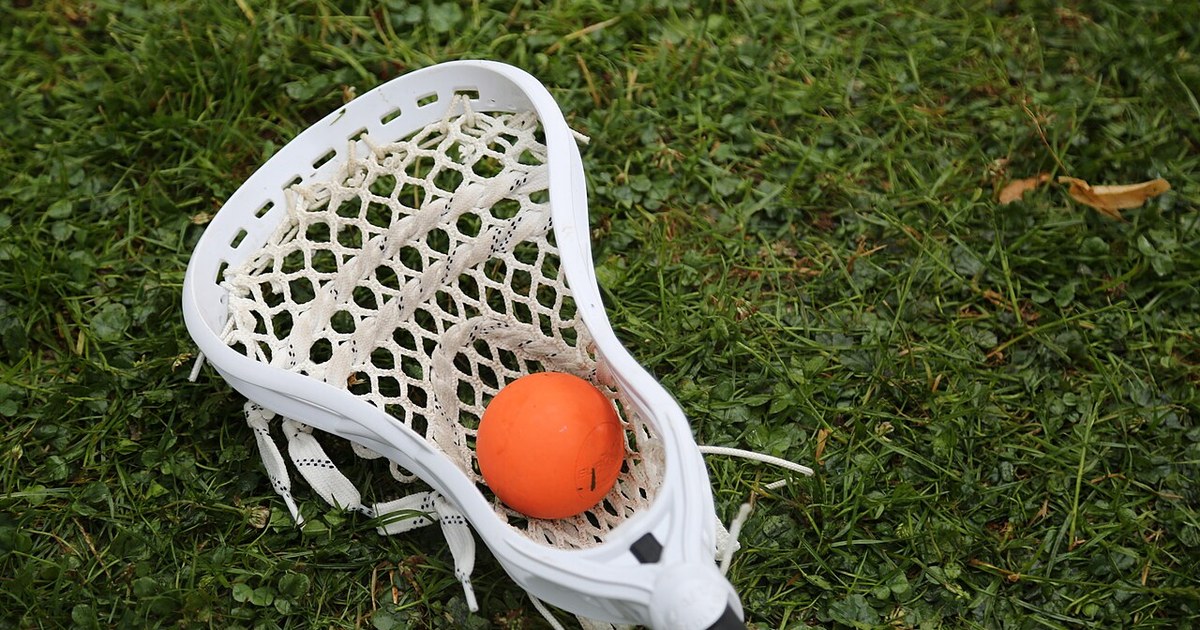
The Shaft Is Where a Girls Stick Feels Different
Pick up a girls stick and a boys stick with your eyes closed and you will identify them by the shaft before the head. The girls shaft is thinner. It is made for smaller hands, in a game without the hand checking that forces boys shafts to be built like crowbars. That single difference, diameter, shapes how the stick cradles, how it tires the forearms, and how a young player learns the game. Length, material, and shape matter too, but they matter after the grip closes comfortably.
A caution before the details: shaft length is never judged alone. The rules measure the complete stick, butt end to the top of the head. Every choice below has to land the finished stick inside its legal band.
The Legal Frame
| Stick | Complete length band | Notes |
|---|
| Girls and womens field stick | 35.5 to 43.25 inches | One band for every field position; there are no position lengths |
| Girls and womens goalie stick | 35.5 to 52 inches | The only longer stick in the girls game |
| Youth girls stick | Set by division | Shafts are commonly cut to fit the player at youth levels |
At the high school level and up, the finished stick must stay inside the band, so a shaft cut carelessly short can make a stick illegal just as surely as one left too long. Youth programs cut shafts to fit growing players as a matter of routine; older players should treat cutting as a one-way decision and measure twice.
Diameter and Shape
Womens shafts are built slimmer than mens shafts, and many womens models use a 7/8 inch handle profile where a mens shaft is a full inch class tube. The practical test is not the number. It is whether the player's fingers wrap the shaft with the fingertips reaching toward the palm, in a glove or out of one, without the hand forcing open.
Shape is the second half of feel. Most shafts are octagonal, with eight flat faces that index the hands and stop rotation on shots. Concave profiles deepen those faces for a more locked grip. Teardrop and rounded profiles trade some of that indexing for a softer feel in the bottom hand. None of these is a performance cheat; they are handwriting preferences. A player who switches hands constantly may prefer a rounder profile that slides, while a shooter may prefer the octagon that returns her hands to the same place every time.
Materials, Honestly
| Material | Weight and strength | Feel | Best fit |
|---|
| Aluminum alloy | Heavier, very durable, the least expensive class | Feels cold in low temperatures; benefits from tape or gloves in winter | Beginners and school programs |
| Scandium and titanium alloys | Lighter and stronger per ounce | Similar cold feel to aluminum, less of it in the hands | Players upgrading from a first stick |
| Carbon composite | Lightest, with some flex on shots and checks | Feels less cold; can chip at the edges if abused | Advanced players who value quick hands |
| Wood | Heavy, traditional | Warm in the hand, unforgiving on checks | Traditionalists; rarely a first stick now |
Weight claims deserve suspicion. Shafts in the same material class differ by grams that no player can feel mid-game, while diameter differences of a few millimeters change every touch. Choose by grip first, material second.
Fit a Shaft in Four Steps
- Measure the complete stick you have now, butt to scoop, and note where it sits in the legal band. That is your reference point.
- Grip test: cradle, catch, and throw ten balls with each candidate shaft. The right diameter disappears; the wrong one is all you think about.
- Cold test, if your season starts cold: hold the bare shaft outside for a minute. Alloy players should plan tape or gloves accordingly.
- Length decision last: inside the band, choose the length the player controls at full speed, not the longest legal option. Reach is the goalie's problem in this game, not the field player's.
Tape and Grips: The Surface Is Part of the Shaft
A shaft is not finished when it leaves the factory; the grip surface a player actually holds is built at home. Tape at the butt end forms the knob the bottom hand indexes against, and a short taped section where the top hand rides gives wet weather grip without changing the shaft. The rules care that the butt end is capped and safe, and that nothing about the tape changes the stick's legality; within that, tape is personal equipment tuning, like a grip on a racket.
Players change tape more often than they change shafts, and they should. Tape that has gone smooth, torn, or gummy has stopped doing its job, and a five minute retape restores the exact hand positions a player trained all season. In cold weather, tape does double duty as insulation between palm and alloy, which connects this section to the cold hands problem: the shaft is part of the warmth system whether a player thinks of it that way or not.
Bent, Dented, and Done
Shafts fail differently by material, and knowing the failure mode tells you when to retire one. Alloy shafts bend and dent; a bend you can see against a straight edge changes how the stick throws and will not improve, and a deep dent is a crack waiting for a cold day. Composite shafts chip at the edges and can splinter after a hard impact, which is both a performance and a safety end point. Wood shafts check and split along the grain.
The inspection habit is monthly and takes a minute: roll the shaft on a flat table to spot a bend, run a hand along it for dents and chips, and check the screw hole and butt end for wear. Before any shaft purchase, run the stick finder below with the player's game, age group, and position. It returns the legal complete length drawn from this site's verified stick data, and that finished number, not the shaft alone, is what has to land inside the band.
The Ten Degree Pairing, From the Shaft Side
The head page on this site explains the 10 degree trap from the head's side; the shaft owns the other half of it. Shafts are sold as straight or as 10 degree models, and the pairing rule is absolute: a 10 degree head belongs on a 10 degree shaft, a straight head on a straight shaft. Cross them and the stick develops a visible kink at the joint, the pocket sits at the wrong angle, and the release changes in ways no restring fully fixes.
When buying a shaft alone, the first question is therefore not material or weight. It is which head family the shaft must marry. Players who keep a favorite head across seasons often keep its shaft family too, changing material inside the family rather than crossing families for a trend.
Cutting a Shaft Without Ruining It
Cutting is a one way door, so the procedure is mostly measurement. Measure the complete stick first, head on, and write the number down. Decide the finished length inside the legal band with a margin, never at the very edge, and calculate the cut as current finished length minus target finished length. Cut from the butt end, keep the head end and its screw hole untouched, file the cut edge smooth so it cannot chew the butt end cap, refit the cap, and measure the complete stick again before it plays.
Youth programs do this routinely as players grow into and out of sizes. The mistake is never the saw; it is skipping the second measurement and discovering at a stick check that the finished stick fell below the band. Two measurements, one cut, in that order.
Length math: where the inches go
Total stick length is head plus shaft, and the legal window for a girls field stick is 35.5 to 43.25 inches overall, which is 90.2 to 109.9 centimeters. That means shaft choice is really a budget: every extra inch of shaft is an inch taken from somewhere else in your game. A player at the long end gains reach on defense and a wider cradle arc; a player at the short end gains quickness in tight space and a lighter swing weight. A practical convention is to measure the player current stick, then test any change in half inch steps at practice rather than jumping two inches at a store. Small steps reveal themselves in catching first: if passes start clanking off the top of the pocket, the new length is changing the release point and needs more reps, not necessarily a return.
Length Worked Examples for Three Heights
Overall stick length rules set the range, but the right number inside that range comes from the player, so here are three fittings worked the way a good shop does them.
Player one is 4 feet 9 inches tall, age 11, playing her second season. A full length adult shaft puts the butt end above her hip when she cradles low, and her top hand slides down to compensate, which shortens her passing motion and cramps her catch. The shop answer is a shaft cut so the complete stick measures about 37 inches, which puts the butt at her hip bone in a natural stance and lets both hands stay where coaching puts them. Player two is 5 feet 4 inches, age 14, a midfielder. She keeps a longer setup, complete stick near 40 inches, because her game includes reach on defense and a longer lever on shots, and her hands are strong enough that the extra length costs her nothing in tight spaces.
Player three is 5 feet 8 inches, a defender, and plays at the top of the legal range, near 43 inches overall, where the reach checks and passing lane disruption she is asked to produce actually live. Notice what did not drive any of the three decisions: the price of the shaft, the brand, or the color. Height, position, and hand strength set the number, in that order, and every fitting should end with the same two tests, ten catches with the top hand in its real place and five switches at a jog without a drop. A shaft that passes both is the right length, whatever the tape measure said.
Frequently Asked Questions
Are girls lacrosse shafts thinner than boys?
Yes. Girls and womens shafts are made with a smaller diameter for smaller hands, and many womens models use a 7/8 inch class handle. The difference is obvious the moment you pick both up.
Can you cut a girls lacrosse shaft?
At youth levels, yes, and programs do it routinely to fit the player, as long as the finished stick stays legal for the division. At high school level and up the complete stick must remain inside 35.5 to 43.25 inches, so measure the finished stick, not the shaft, before it plays.
What is the best shaft material for a girls stick?
The one whose diameter fits the player's hand. Alloy is the durable default, composite is the light upgrade, and wood is a traditional niche. Material changes weight at the margins; diameter changes every touch of the ball.
How short can a youth girls shaft be cut?
Youth divisions set their own allowances, and programs cut shafts to fit the player as a routine matter at the youngest levels. The governing idea is control: the finished stick should be short enough for the player to cradle, switch hands, and scoop without the butt end catching her body. Confirm the division's exact allowance with the league before cutting, because the school level band of 35.5 to 43.25 inches is not the youth rule.
Does shaft flex matter in the girls game?
A little, and mostly in composite shafts. Flex adds a small whip to shots and passes that strong shooters can feel and use, while alloy shafts play noticeably stiffer. It is a preference at the margins, far below diameter and length in importance. A player who has never thought about flex does not need to start; a player choosing between two composites she otherwise likes can let flex cast the vote.