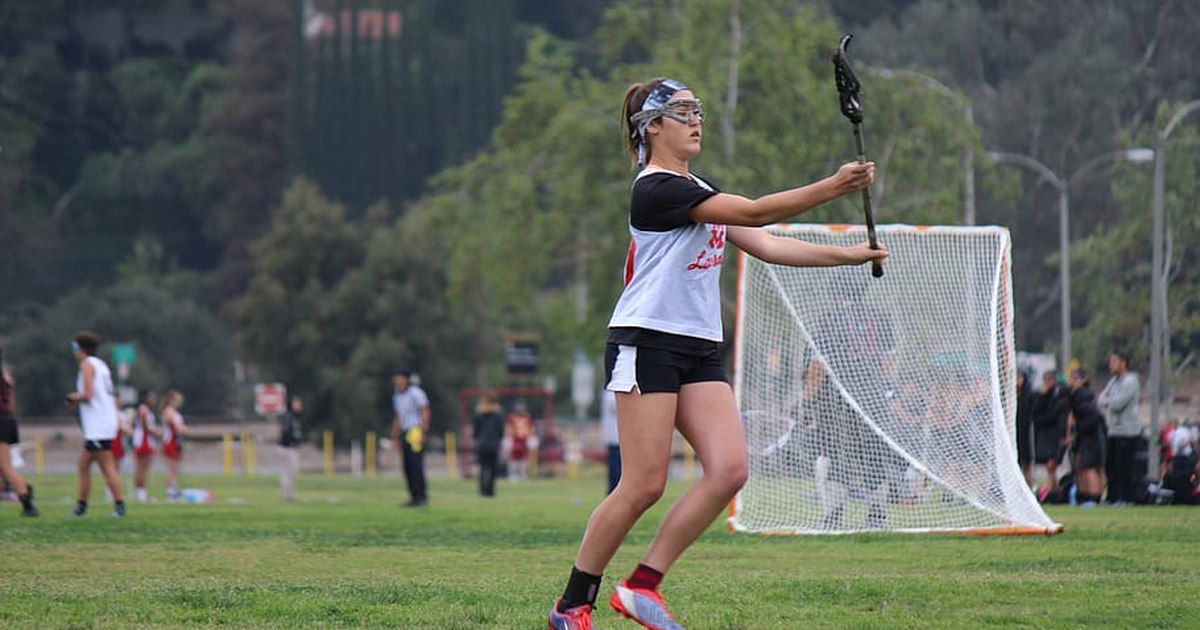
A Gym Day Is a Skill Day in Disguise
Rain, snow, lightning, and a flooded field send lacrosse teams inside several times every season. Coaches who treat those days as lost get nothing from them. Coaches who plan for them get some of the best stick work of the year, because a gym removes wind, shrinks space, and forces the skills that small spaces reward: quick passing, tight cradling, off ball movement in traffic, and defensive footwork without a stick check safety net. This page gives you indoor lacrosse drills that fit a school gym or a small turf room, the ball and footwear rules that keep the facility and the players safe, and a complete 60 minute indoor plan.
First, the non negotiables. Use soft training balls or tennis balls indoors unless your facility is built for lacrosse and your program has approved regulation balls there. A regulation lacrosse ball is solid rubber, about five ounces, and it breaks windows, lights, and teeth with enthusiasm. Wear court shoes or turf shoes, never cleats, on a gym floor. Confirm the facility rules before the first session, because one broken backboard ends indoor access for every team in the building.
Small Space Passing Drills
Drill: four corner passing in a ten yard square, two balls live at once, players following their pass to the next corner. The small square forces quick hands and constant communication. Drill: 3 against 2 keep away in a fifteen yard box, attackers scoring for five completed passes, defenders for a deflection or a held ball. Drill: wall ball against a padded or masonry gym wall where the facility allows it, at half the outdoor distance, with soft balls. Drill: two line shuttle passing the length of the gym at a jog, which replaces the outdoor partner passing warm up one for one.
| Indoor drill | Space needed | Ball type | Skill trained |
|---|
| Four corner passing | 10 yard square | Soft or tennis | Quick release, communication |
| Keep away 3 against 2 | 15 yard box | Soft or tennis | Off ball movement, defensive angles |
| Wall ball, gym version | Wall plus 3 yards | Soft only | Both hands, quick stick |
| Shuttle passing | Gym length | Soft or tennis | Passing on the move |
| Box style 3 against 3 | Half gym | Soft only | Picks, rolls, tight finishing |
Box Style Small Games: Borrow the Indoor Games Brain
Box lacrosse is played indoors on a small floor with a smaller goal, four feet by four feet in the major league game, a thirty second shot clock, and constant picks and rolls. A gym session can borrow its logic without copying its contact. Play 3 against 3 or 4 against 4 across the width of the gym, with a thirty second possession clock called by the coach, picks set as stationary screens within your games rules, and finishing at a small target or a mini goal. The tight space produces more touches in ten minutes than a full field scrimmage gives most players in thirty, and it teaches attackers to play in traffic and defenders to guard without reaching.
Keep the contact rules of your own game. Girls indoor games use girls checking progressions and no body contact. Boys indoor work in a school gym should stay well below box lacrosse physicality, because the facility, the floor, and the insurance all assume a practice, not a box game.
Defensive Footwork and Conditioning Indoors
A gym floor is the best defensive footwork surface of the year. Run approach and breakdown ladders, slide and recover patterns around cones, and mirror drills in pairs, all at high rep counts with no sticks needed for the purest versions. Conditioning fits naturally: short court sprints, transition games with continuous substitution, and small sided games with thirty second shifts build fitness while the ball stays involved. Avoid long distance running inside a gym session; it uses the scarcest resource, supervised indoor minutes, on the one thing players could do anywhere.
A Complete 60 Minute Indoor Plan
Minutes 0 to 8: dynamic warm up the length of the gym, with cradling and soft ball partner passing woven in. Minutes 8 to 20: four corner passing and shuttle passing rotations. Minutes 20 to 32: keep away grids, 3 against 2, rotating defenders every ninety seconds. Minutes 32 to 40: defensive footwork ladders and mirror work. Minutes 40 to 57: box style 3 against 3 tournament across the gym, thirty second possessions, quick rotations. Minutes 57 to 60: recap and a reminder of the outdoor skill each indoor drill was training. Players should leave an indoor day with hundreds of touches and tired legs, which is more than many outdoor practices deliver.
Goalies and Indoor Work
Goalies can do stance, arc, and reaction work indoors with tennis balls, which is a classic reaction trainer because the lighter ball rewards pure hand speed and punishes guessing. A coach or partner throws from eight to ten yards, mixing high, low, and bounce feeds off the floor. Keep the goalies helmet and full gear on for any throwing work, and skip live shooting with regulation balls entirely in a school gym.
Adapting Indoor Drills for a Hallway, a Classroom, or a Garage
Sometimes the gym is taken too, and the team gets a corridor, a cafeteria, or nothing but a video session. Stick work still fits: wall ball against an approved masonry wall, partner passing in a cafeteria with soft balls and chairs as boundaries, and footwork ladders in any open rectangle of floor. At home, a single player can run the gym wall ball version in a garage with a soft ball, a rebounder in a driveway, and footwork patterns on any flat surface. The principle survives every downgrade of space: protect the facility, use the soft ball, and count the reps so the session has a score.
Coaches should keep a written small space plan in the team binder before the season starts. The first rainy Tuesday is the wrong day to design one, and the teams that look organized indoors are simply the teams whose coach wrote the plan in February.
Indoor Rules for Mixed Age and Club Groups
Club and camp groups indoors often mix ages and sizes more than school teams do. Shrink the games further, three against three maximum in a half gym, separate the oldest and youngest players in any contested drill, and keep every ball soft without exception. Indoor space compresses reaction time, so a size mismatch that is manageable outdoors becomes a safety issue inside. When in doubt, make the groups smaller and the games shorter; indoor lacrosse rewards rotation speed in the coach as much as in the players.
What Indoor Work Cannot Teach, and How to Catch Up
Indoor sessions cannot teach long passing lanes, full field clearing spacing, faceoff or draw work at real distances, or shooting at game range. When the weather clears, the first outdoor practice should deliberately revisit spacing: one full field transition block and one settled session at real dimensions will recalibrate a team that has spent a week in a gym within twenty minutes. Do not waste that first outdoor day re teaching what the gym taught well. Spend it on the distances the gym stole.
A Clinic Version: Running Indoor Drills for Forty Players
Camps and clinics indoors face the opposite problem from a single team: too many players for the space. Solve it with stations and ruthless rotation timing. Six stations of six minutes each, groups of six to eight, one skill per station, with a visible timer and a whistle system everyone learns in the first five minutes. Wall ball, keep away, footwork ladders, mirror defense, target passing, and a small game station cover the curriculum of this page at clinic scale. Staff each station with one coach or a trained older player, and keep instructions to one sentence and one demonstration, because station time dies in speeches.
Collect a simple score at each station, clean catches, completed passes, ladder times, so campers leave with numbers to beat at home. That score sheet, more than any speech, is what a family takes away from an indoor clinic day.
Storing an Indoor Kit With the Team Gear
Programs that go inside often should keep a labeled indoor bin with the team equipment: a dozen soft balls, two dozen tennis balls, court friendly cones, pinnies, a printed copy of the indoor plan, and a roll of floor safe tape for marking boxes and lines. The bin removes the scramble that eats the first rainy practice every year, and it signals to players that indoor days are real practice days with real expectations, not a cancellation with running.
Keeping Score Indoors So Players Compete Honestly
Indoor drills drift without a score, because the space feels informal. Give every indoor game a number: passes completed in keep away, stops in the box games, clean catches in four corner passing. Post the running totals on a whiteboard or a clipboard at the gym door and carry the records across the season, so a team returning indoors in March can chase its own January numbers. Competition against your own record is the healthiest kind available in a practice setting, and it turns weather days into dates players circle rather than dates they dread.
Sharing a Gym With Another Sport
Indoor time often means half a court, a volleyball net that cannot move, and a basketball practice on the other side of a curtain. Design for the space you actually get: claim the wall first, because wall ball stations need no floor markings and never collide with anyone. Run ground ball work along the baseline where a loose ball rolls dead against the wall instead of into the neighboring session, and agree on a stray-ball signal with the other coach before you start, usually a single loud "ball" call that freezes both groups for two seconds. Keep one buffer lane empty between the two activities even if it squeezes your drill grid; the lost space costs less than the first collision or the first argument over a rolling ball.
Frequently Asked Questions
What ball should you use for indoor lacrosse drills?
Soft training balls or tennis balls for almost all school gym work. Regulation balls are solid rubber and damage facilities and players indoors. Only use them inside purpose built lacrosse facilities with program approval.
Can you play lacrosse in a gym without cleats?
Yes, and you must. Wear court shoes or turf shoes on gym floors. Cleats damage wood floors and slip dangerously on them. Most facilities will remove a team that marks the floor, so check footwear at the door.
What are the best indoor lacrosse drills?
Four corner passing, small box keep away, gym wall ball with soft balls, defensive footwork ladders, and box style 3 against 3 with a short possession clock. Together they train hands, movement, defense, and decisions in tight space.
How do you practice shooting indoors?
Use soft balls, small targets, and close range form work, or skip shooting and train the feeding and cutting that create shots. Full power shooting with regulation balls does not belong in a school gym session.
Is indoor practice as valuable as outdoor practice?
For stick skills, off ball movement, and defensive footwork, it can be more valuable because the space forces more touches and quicker decisions. It cannot replace field spacing, long clears, and full field transition, so treat it as a complement with its own strengths.