Starter Checklist for Girls Youth Players
A girls youth field player needs a girls stick with a legal shallow pocket, protective goggles that meet the current standard, a mouthguard, and cleats or turf shoes for the playing surface. Gloves are optional in most youth leagues and mainly help with grip and cold weather.
A girls youth goalie needs a full goalie set provided or approved by the team: a helmet with a throat guard, a chest pad, goalie gloves, leg pads, and a goalie stick. Families should rarely buy a youth goalie set before the coach confirms the position and the fit.
Helpful extras include a gear bag, a backup mouthguard in a case, hair ties, a water bottle, and sunscreen.
Starter Checklist for Boys Youth Players
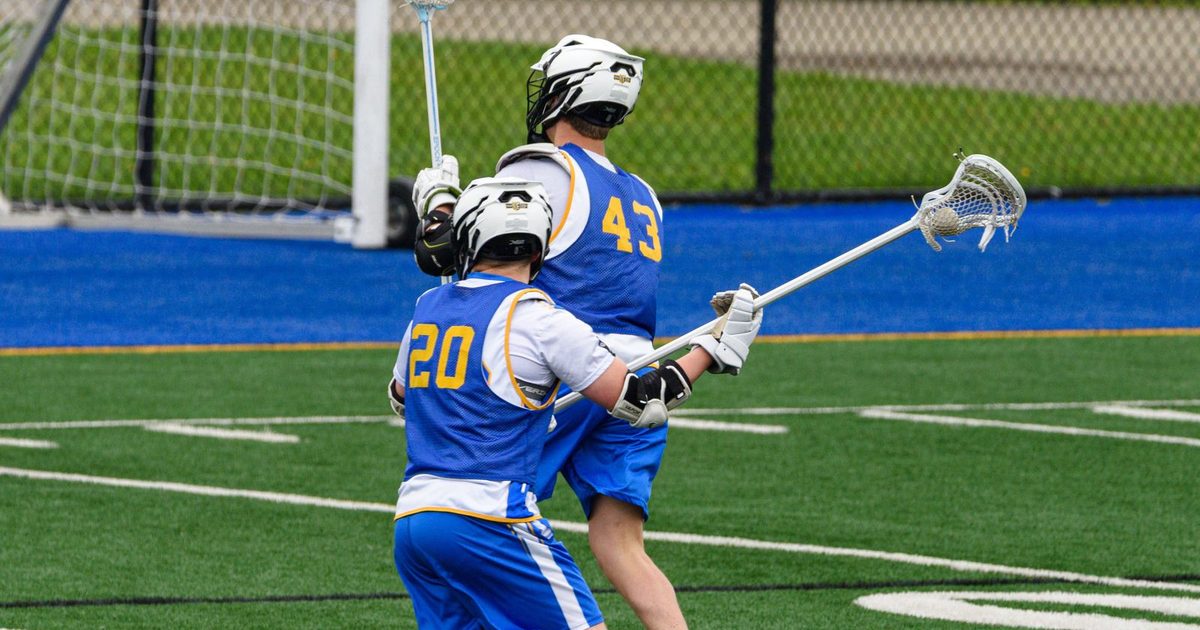
A boys youth field player needs a boys stick, a certified lacrosse helmet, shoulder pads that meet the current chest protection standard, arm pads, gloves, a mouthguard, and cleats or turf shoes. Many leagues also require or recommend a protective cup. Ask the coach to confirm.
A boys youth goalie adds a throat guard, goalie chest protection, and a goalie stick with a wide head, plus any additional leg or padded pants protection the league allows.
Because the boys set has more pieces, a labeled gear bag and a packing checklist on the bag itself help young players arrive with everything.
How Equipment Needs Change by Age Group
In the youngest learn to play groups, some programs use modified rules and softer balls, and equipment requirements can be lighter. Even then, a mouthguard and proper eyewear for girls, and a properly fitted helmet for boys where required, should never be treated as optional when the league lists them.
In elementary age groups, full required sets usually apply, but fit and comfort drive success more than advanced models. Players are learning to run, cradle, and pass while wearing gear for the first time. Gear that pinches or slides will be adjusted constantly and will slow learning.
In middle school groups, contact and speed increase, especially in boys play. Pad condition and helmet fit deserve a fresh check, and players who move to defense or goalie need position specific sticks and protection. This is also the stage where a second stick or a better strung pocket starts to matter.
Sizing Protective Gear for Kids
Fit helmets by head measurement and by a live test. A lacrosse helmet should sit level, feel snug all around without a headache, and stay in place when the player shakes the head gently. The chin strap should be secure. Never buy a helmet several sizes too large to grow into. Head protection only works at the correct size.
Fit shoulder pads so the chest protection covers the sternum fully and the shoulder caps sit on the shoulders without floating. The player should be able to raise both arms overhead and cradle without the pads riding into the neck. Arm pads should cover the elbow and stay in place during a run. Gloves should reach the cuff of the arm protection without a large exposed gap at the wrist, while still letting the fingers close around the shaft.
Fit girls goggles close to the face with clear vision in every direction. The strap should hold during running and head turns. If goggles slip during a short jog at home, they will fail in a game.
Size mouthguards by following the molding instructions fully and testing speech and breathing. A mouthguard a child refuses to wear is a failed purchase, so involve the player in choosing a comfortable style within league rules.
Saving Money Without Cutting Safety
Buy required protective gear new or from a trusted source where you can verify condition and certification, especially helmets and chest pads. Never use a helmet with cracks, missing or compressed padding, or an unknown history. Savings are not worth head safety.
Save instead on the surrounding items. Prior season colors of sticks and bags, team swap events for outgrown cleats and gloves in good condition, and multi player family hand me downs for non critical items can reduce cost significantly. Used sticks can be a good value if the head is not warped and the pocket can be made legal with a simple adjustment.
Borrow before you buy for specialty positions. Use the team goalie set for a trial period. Rent or use league loaner gear for the first short season when a program offers it, then buy fitted gear once the player commits.
Finally, protect what you own. Dry gear after use, keep helmets and goggles from being crushed at the bottom of a bag, and check fit again midseason after growth. Careful use lets quality youth gear serve a second season or a younger sibling safely where appropriate, except for helmets that no longer fit or have taken damage.
Starter Kits by Age Group
Programs group youth players by age, and the kit changes with the group. The table below follows the USA Lacrosse youth framework. League sheets can modify details, so confirm at registration.
| Age group | Boys field player kit | Girls field player kit |
|---|
| 6U | Program supplied soft stick or short youth stick, mouthguard; pads often not required in modified formats | Short youth stick, eyewear where the format requires it, mouthguard |
| 8U | Youth stick 37 to 42 inches, helmet, ND200 shoulder pads, arm pads, gloves, mouthguard, cleats | Youth stick, certified eyewear, mouthguard, cleats; gloves optional |
| 10U | Same full set; long pole option appears for defenders at 47 to 54 inches | Same set; modified pocket sticks allowed at 10U |
| 12U | Regulation stick ranges begin; full protective set | Regulation girls stick range 35.5 to 43.25 inches; full checking era begins under youth rules |
| 14U | Full set, position specific sticks matter | Full set, legal womens stick list matters for school play ahead |
The pattern to notice is that the girls kit stays short at every age, while the boys kit grows by position. Budget and shopping time should follow that pattern: girls families spend on fit and a well strung stick, boys families spend across more protective pieces.
Rental, Loaner, and League Supplied Gear
Many youth programs run a loaner closet or a rental set for the first season, and it is the smartest money move in youth lacrosse. A rental helmet and pads let a family confirm that the player loves the sport before buying four protective pieces in sizes that will change within a year. Two cautions apply. First, check fit on rental gear with the same seriousness as purchased gear, and speak up if a rental helmet wobbles. Second, mouthguards are never shared or rented; every player needs a personal, molded mouthguard from day one.
The Midseason Growth Check
Youth players outgrow gear inside a single season more often than parents expect. Schedule one five minute check at the midpoint: helmet still level and snug, shoulder pad sternum coverage still centered when the player raises both arms, glove cuff gap at the wrist still closed, goggles still gap free at the temples, cleats still holding a thumb width at the toe. Any piece that fails gets replaced or refitted that week, not at the end of the season, because the second half of a youth season is when speed and contact both rise.
Position Changes That Trigger New Purchases
Most youth equipment spending after the starter kit comes from position changes, and each change has a short shopping list. A boys field player moving to defense needs the long pole conversation first: at 10U a 47 to 54 inch option, from 12U the 52 to 72 inch range, and no other gear change. A player moving to goalie in either game needs the position set, helmet with throat guard, goalie chest protection, goalie gloves, and the wider goalie stick, which is why coaches lend a team set for the trial month. A girls player moving to the draw needs no purchase at all, only repetitions. Families who expect these triggers stop being surprised by them, and the trial before purchase rule keeps the goalie set, the one genuinely expensive change, from being bought for a position the player tries twice.
The First Practice Survival Guide for Parents
The first practice runs smoother when a family handles four things the night before. Lay the full kit out and have the player dress in it once at home, including the mouthguard, so the first fitting crisis happens in a hallway rather than on a sideline. Mark every item with the player name, because youth practices produce piles of identical gloves and sticks. Fill the water bottle and freeze half of it on hot weeks, so it stays cold through the session. Arrive fifteen minutes early and let the player carry the bag in personally; the walk from the car is where young players start feeling like players. After practice, ask what was fun before asking what was learned, and start the drying routine the same evening so gear care is a habit from day one rather than a rescue operation in week six.
Frequently Asked Questions
What does a youth lacrosse starter kit cost to assemble?
Prices move by retailer and season, so this site does not publish a fixed figure. The honest planning method is to price the required list for your game from the table above at two retailers, then add the bag and a backup mouthguard. Families cut the total most safely through league loaner gear for the first season and prior season colors on sticks and bags, never through uncertified helmets or chest pads.
Can siblings share lacrosse equipment?
Non critical items pass down well: bags, cleats that still fit, gloves, and arm pads in good condition. Helmets should pass down only when the fit is correct for the younger player and the helmet has no cracks, no compressed padding, and a known, gentle history. Mouthguards never pass down; each player molds a personal one.
What size helmet does a youth player need?
Size by head measurement taken just above the eyebrows, matched to the maker size chart, then confirmed by a live test: the helmet sits level, feels snug without a headache, and does not shift when the player shakes the head gently. Never buy a helmet large to grow into. Protection depends on the padding contacting the head correctly today.
When should a youth player get a second stick?
A second stick becomes worth it when the player joins a travel or tournament schedule, when the game stick pocket is custom strung and hard to replace quickly, or when a first stick has become a reliable backup rather than a daily trainer. For a once a week town player, one well kept stick plus a team backup is usually enough.
Are expensive sticks better for youth beginners?
For beginners, fit and pocket forgiveness beat price. A moderately priced complete stick with a wide, forgiving head and a legal, well formed pocket teaches catching faster than a narrow advanced head at three times the price. Spend the difference on wall ball time, a backup mouthguard, and gear that fits, which return more skill per dollar at youth level.