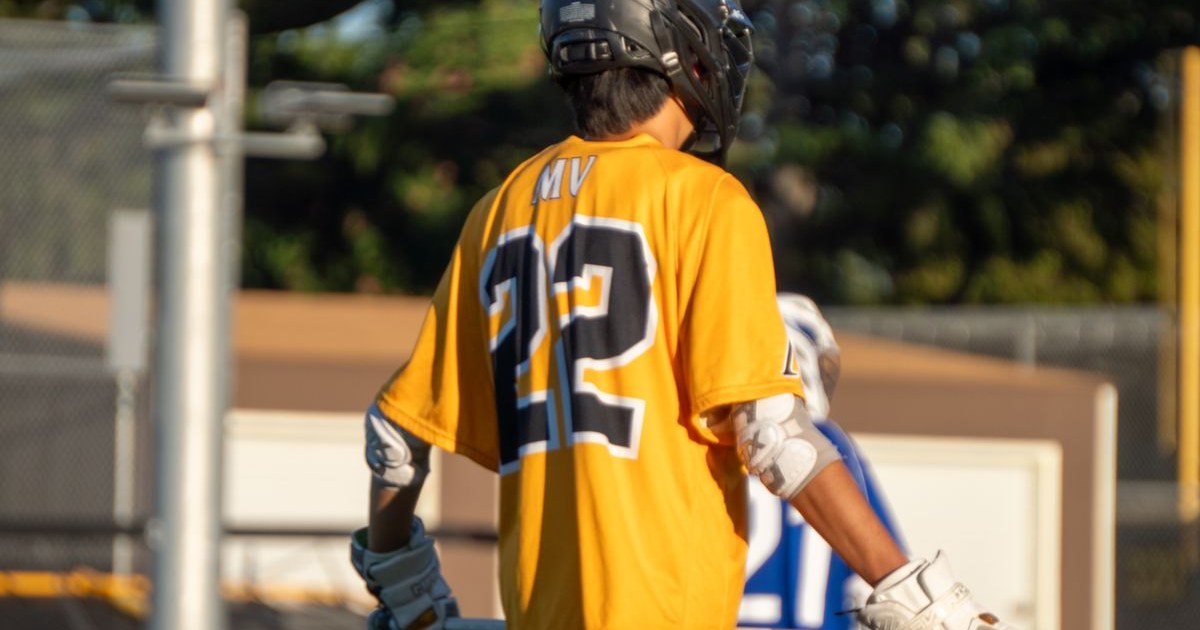
Arm Pads Are One Product Family With Three Coverage Levels
Parents shopping for youth lacrosse arm pads meet three names for what is really one family: elbow pads, arm pads, and arm guards. The names describe coverage, not different sports. A small elbow pad protects the elbow joint itself and little else. An arm pad covers from above the elbow to mid-forearm. A full arm guard runs from near the bicep to the wrist. Boys youth lacrosse requires arm protection as part of the fully equipped set, and the family your child wears decides how much of his arm is actually protected when checks arrive.
Girls field players do not wear arm pads at all, because the girls game restricts stick contact by rule; this guide is for boys youth players and for the girls goalie conversation happening in a different article. In box lacrosse, the same family appears in bulkier form, and box pads are acceptable on the field in many programs, though their size can slow a young field players stick work.
Choose the Coverage Level by the Player, Not the Price Tag
| Coverage level | Covers | Suits |
|---|
| Elbow pad | The elbow joint, minimal forearm and bicep | Defensemen and long poles who want maximum arm freedom and take fewer direct checks to the arms |
| Arm pad | Above the elbow to mid-forearm, with a hard elbow cap | Most youth players; the standard middle choice for midfielders and developing players |
| Arm guard | Near the bicep to the wrist, the fullest coverage | Attack players who carry the ball into traffic and take repeated checks, and young players still learning to protect their stick |
The logic is exposure. The player who holds the ball longest gets checked on the arms most, so attack players wear the most coverage. The player who does the checking wears the least and keeps his arms free. Youth coaches add one override: a young player still learning, whose arms take wild beginner checks from every direction, belongs in at least the middle level whatever his position, because youth games are less controlled than the levels the coverage logic assumes.
Sizing Without Guesswork
Youth arm pads are sized in youth sizes below the senior range, with youth pads running roughly 8 inches of pad length against about 10 to 12 inches for senior pads. Makers size by their own charts, usually tied to height, weight, or arm measurement, and charts differ between brands. Two fit facts matter more than the letter on the tag. The hard elbow cap must sit exactly on the point of the elbow, and it must still sit there when the arm bends fully, because elbows take contact bent, in cradling and shooting positions. And the straps must hold the pad in place through motion without being cinched tight enough to numb the hand.
The Fit Test: Five Checks in Full Gear
- Cap check: the elbow cap centers on the elbow point standing still, then again at full bend and full extension.
- Gap check: with the glove on and the arm extended to catch, no bare skin shows between the arm pad and the glove cuff.
- Motion check: the player cradles, switches hands, and shoots ten times; the pad does not rotate or slide down the forearm.
- Strap check: straps are snug, and the player can still make a tight fist with normal color in the fingers after two minutes.
- Growth check: a pad the player has outgrown rides up so the cap sits above the elbow; that is the replace signal, not the end of the season.
Boys Required, Girls Not Worn: The Status in One Pass
Arm pads belong to the boys game. Boys field players wear them as part of the required protective set, and a boys player without arm protection is not fully dressed for a game. Girls field players do not wear arm pads at all: the girls game restricts body contact, its required set is certified eyewear and a mouthguard, and adding boys padding to a girls uniform is not a safety upgrade, it is simply the wrong equipment for the game being played. The one girls exception is the goalie, whose protective set includes padding built for the position, covered in the goalie equipment articles on this site. Parents shopping for two children in the two games should treat the lists as separate shopping trips, because almost nothing on the boys pad wall transfers to a girls player.
How Arm Pads Fail: The Three Wear Points
Youth arm pads rarely break dramatically. They fade. The elastic straps stretch until the pad migrates down the forearm during play, and a pad that has slid is a pad protecting the wrist while the elbow takes the check. The elbow cap foam compresses over a season of falls until it feels thin against a fingertip press compared with a new pad. And the stitching at the strap anchors frays, usually discovered when a strap lets go during a game. Check all three points at the start of each season and once midseason: straps that still hold tension, foam that springs back when pressed, and anchors that survive a firm tug. A pad failing any one of the three is done, whatever it looks like hanging in the garage.
The Midseason Growth Problem
Youth arms grow in the middle of seasons, and arm pads are where the growth shows first after cleats. The sign is a pad that fit in March riding high in May, leaving the lower forearm bare, or straps that reach their last hole weeks before the playoffs. Build the check into the calendar: at the season midpoint, run the five point fit test from this page again in full gear. If the pad fails on coverage, replace it then rather than after the season, because the second half of a youth season is when checking intensity rises and the exposed forearm starts collecting bruises that a ten dollar timing decision would have prevented.
Who Wears Which Coverage: A Position Pass
Coverage choice follows the checks a player actually takes. Attackmen carry through traffic and take stick checks on the arms as a cost of doing business, so most settle at the middle or full coverage levels once the checks start arriving weekly. Midfielders split: two way middies who dodge take attack style contact, while defensive middies who mostly run and pass can live happily at the lighter levels. Close defenders take the fewest checks on their own arms, since their sticks and bodies do the checking, and many choose the smallest pad that keeps the elbow honest on falls and ground ball scrums. Young beginners at every position start lighter, because a pad a child forgets she is wearing gets worn, and the heaviest guard in the store protects nobody from the bench. Revisit the choice each season: the right answer at nine is rarely the right answer at thirteen, because the game around the player changes faster than the player does.
Teach the Fall, Protect the Elbow
Arm pads earn half their keep in falls, not checks, and falls can be coached. Young players fall stiff armed, hand and elbow first, which is exactly the impact the elbow cap exists to soften. Ten minutes a season of falling practice on grass, rolling through the shoulder with the stick held clear, teaches a landing that spreads force the way the pad expects. Coaches who skip it watch the same player take the same elbow bruise monthly and blame the pad. The pad is fine. The landing is the skill, and it belongs in the first month of every youth season plan.
Arm Pads and the Rest of the Uniform
No pad fits in isolation, and arm pads meet two neighbors every time a player dresses. At the top, the shoulder pad sleeve and the arm pad should overlap or meet without a bare band of upper arm between them when the arm hangs and when it reaches. At the bottom, the glove cuff closes the system at the wrist. Dress the player in the full set for the final fit judgment, never piece by piece on a store floor, because gaps only appear when the pieces move together. Photograph the dressed player from the front and the side at the start of the season. The photo becomes the baseline the midseason refit is judged against, and it settles the October question of whether the pads moved or the player grew with evidence instead of opinion.
Frequently Asked Questions
Are arm pads required in youth lacrosse?
For boys, yes: arm protection is part of the required equipment set at youth levels, alongside the helmet, shoulder pads, and gloves. For girls field players, arm pads are not worn; the girls goalie wears her own protective set, which is a separate equipment list.
What is the difference between arm pads and elbow pads in lacrosse?
Coverage. Elbow pads are the smallest member of the family and protect the joint alone; arm pads add forearm and upper arm coverage; arm guards cover nearly the whole arm. Retailers and even rule books use the names loosely, so judge any product by what it covers on your child's arm, not by its label.
Can my child wear hockey elbow pads for lacrosse?
Some programs accept them, and they do protect the elbow, but they are built bulkier than lacrosse arm pads and commonly restrict the wrist and forearm movement that stick handling needs. A lacrosse arm pad at the middle coverage level is the better tool for a field player.
How tight should youth arm pads be?
Snug enough to stay in place through a full speed dodge and a fall, loose enough that the player can bend the arm fully and feel no numbness or tingling in the hand after five minutes of wear. If the hand changes color or the fingers tingle, the straps are too tight or the pad is too small, and both problems get fixed before the player practices in it.
Can a player wear one arm pad instead of a pair?
No. The required set assumes a pair, checks arrive on either side, and a single pad leaves one elbow and forearm unprotected while looking oddly like a fashion choice. Replace a lost or broken pad as a pair when the model allows it, or match the coverage level of the surviving pad as closely as possible.