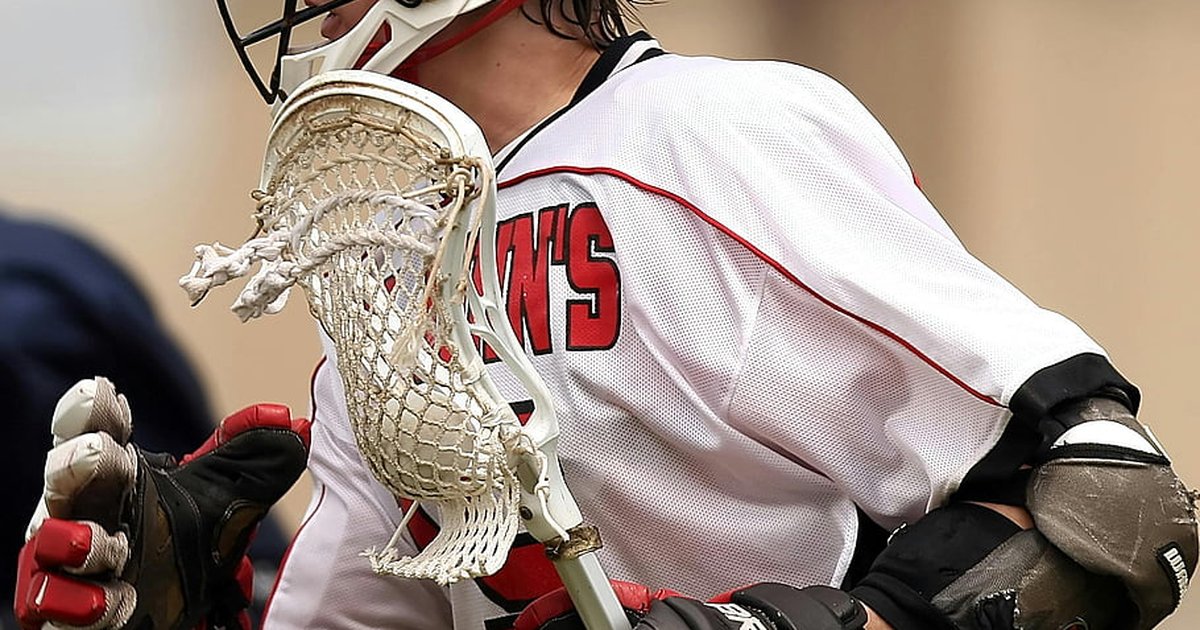
The Helmet Is a Fit Product, Not a Size Label
A youth lacrosse helmet protects only as well as it fits. The best liner system in the sport does nothing on a head it slides around on, and a modest helmet fitted correctly outperforms a premium helmet fitted badly. That is why this page spends more words on measuring and checking than on choosing. Youth helmets are generally made for players under about 12, or for heads measuring roughly 22 inches or less around the forehead, with adult shells above that. Treat those as starting hints. The tape measure and the fit checks decide.
Certification Comes First
Before fit, before color, before price: a boys lacrosse helmet must be certified for lacrosse. Look for the NOCSAE standard mark and the SEI certification mark on the helmet itself, the same marks officials and leagues look for. A helmet without those marks is not a lacrosse helmet for organized play, whatever the listing calls it. Football helmets, hockey helmets, and novelty helmets do not substitute, because the masks, shells, and standards are built for different impacts. Goalies wear the same certified helmet as field players, with a throat guard added.
How to Measure
- Use a soft tape, or a string marked against a ruler.
- Wrap it around the head at forehead level, just above the eyebrows and ears, where a headband would sit.
- Keep the tape level and snug, not tight.
- Measure twice and use the larger number.
- Compare the number to the sizing chart of the specific helmet you are considering. Charts differ between makers, so a youth size in one brand is not a youth size in another.
Measure with the hairstyle the player wears in games. A braid or thick hair under the helmet changes the fit by enough to matter.
The On Head Fit Checklist
With the helmet on and the chin strap fastened and snug, check all six points:
- The front rim sits low, about a finger width above the eyebrows, not tipped back on the forehead.
- The helmet does not rock side to side or front to back when the player shakes their head firmly.
- The mask sits close without the chin resting loose inside the chin cup.
- Vision is clear straight ahead and the player can see the ground in front of their feet without ducking.
- Pressure feels even all around, with no single hot spot on the forehead or temples after five minutes of wearing it.
- The helmet stays in place when a coach or parent gives the mask a firm wiggle from the front. Movement at this test means movement in a game.
Fit Faults and What They Mean
| What you see | What it usually means | What to do |
|---|
| Helmet tips back, forehead exposed | Shell too big, or rear adjustment too loose | Tighten the fit system; if it still tips, size down |
| Red mark on the forehead after minutes | Shell too small, or front pads too thick | Try the next size or a different model shape |
| Helmet rotates when the mask is wiggled | Overall fit too loose | Adjust the fit dial or pads; replace if it persists |
| Chin floats in the cup | Chin strap too long or cup position off | Shorten and center the strap, recheck |
| Player complains of headaches | Pressure point or too small a shell | Stop and refit; never push through head pain |
Buy New, and Know the Life of the Helmet
If one piece of lacrosse gear should be bought new, it is the helmet. Impact history is invisible: a helmet that took a serious hit can look identical to one that did not, and no seller can honestly certify what a used helmet has absorbed. Follow the manufacturers own label for service life and recertification. Some makers instruct owners to have helmets recertified by approved reconditioners on a set cycle or retire them after a stated period, and reconditioners will not service very old helmets at all. Inspect the shell, mask screws, and straps each season, retire any helmet with a cracked shell or damaged liner, and never paint or modify a shell, which can weaken it and void its certification.
The Fitting Session, Done in the Right Order
Fit a youth helmet in this order and the result is repeatable. First, measure the head with a soft tape just above the eyebrows and around the largest part of the back of the head, and start from the size the measurement suggests rather than the size a sibling wore. Second, put the helmet on level, with the front edge sitting low over the brow, not tipped back like a cap. Third, fasten the chin strap so the cup centers on the chin and the straps run snug without biting. Fourth, run the movement tests: a firm head shake side to side, a nod up and down, and a gentle push on the mask from the front and the side. The helmet should move with the head as one piece, with the skin of the forehead shifting slightly rather than the helmet sliding over it.
Fifth, check the gaps. The mask should sit close enough that a ball cannot reach the face, the ear openings should sit over the ears, and the back of the helmet should cover the base of the skull without digging in. Sixth, have the player wear it for ten minutes while doing something else. Pressure points announce themselves slowly, and a helmet that passes a thirty second test can still fail a ten minute one.
Fit Across a Growth Season
Youth heads grow in steps, and a helmet fitted in February can be wrong by June. Recheck fit at three moments: the start of the season, the middle of the season, and the first practice after any summer growth spurt. The signs of a helmet outgrown are specific. The chin cup rides high and will not center. The front edge creeps up the forehead no matter how the straps are set. The player starts loosening the strap for comfort, which quietly removes the protection the strap exists to provide.
A helmet that has been outgrown is a hand me down candidate only if it passes every certification and condition check in this guide: current NOCSAE certification for lacrosse, no cracks, no crushed foam, no rusted or bent mask hardware, and a history with no major impact. When any item on that list is unknown, the honest answer is to retire the helmet. Heads are not the place a family saves money on an unknown history.
The Sideline Helmet Check for Parents
Parents can run a useful ten second check before any game without touching another childs equipment. Look at your own player during warmups. Is the front edge low over the brow? Is the chin strap fastened and centered, not dangling? Does the helmet stay put when he turns quickly to track a pass? Does the mask sit still when he takes a practice shot and follows through? Four yes answers mean the fitting session did its job. Any no is a quiet word with your player and, if it persists, with the coach before the game rather than after it.
Helmet Care That Protects the Investment
A youth helmet lives a harder life in the bag than on the field. Store it out of the gear bag between games, in a dry place out of direct heat, because foam and adhesives age fastest in a hot trunk. Let it air dry after every game before it goes back on the shelf; a helmet that stays damp grows the smell every parent recognizes and degrades the padding fit along with it. Clean the shell and the mask with mild soap and water only, and keep solvents and sticker removers away from the shell, because the wrong chemical on a polycarbonate shell is a quiet way to retire a helmet early.
Inspect it monthly with the same eyes you used at purchase. Run a hand over the shell for cracks or soft spots. Check the mask hardware for rust and looseness. Compress the foam at several points and feel for a section that no longer rebounds like its neighbors. Tighten what is designed to be tightened and replace what is designed to be replaced, straps and hardware, through the maker. A helmet maintained this way reaches the end of its certified life honestly, and a helmet neglected in a trunk often fails the fit check long before its paperwork says it should.
The Team Helmet Look and the Individual Fit
Many youth programs ask players to wear matching helmets, and a few supply them. A team helmet is a fine thing as long as the fitting standard in this guide is applied player by player, because a program bulk order covers sizes, not heads. If your players helmet comes from a team issue, run the full on head checklist anyway, swap sizes with the equipment manager until the movement tests pass, and treat any helmet that cannot be fitted as a conversation with the program rather than a problem your child wears. Good programs expect exactly that conversation and keep spare sizes for it.
Frequently Asked Questions
What size helmet does a 10 year old need?
Most 10 year olds land in a youth helmet, but age does not size a helmet. Measure the head at the forehead, then use the chart for the specific model. A head over roughly 22 inches usually moves to an adult shell.
Can my son wear a football or hockey helmet for lacrosse?
No. Organized lacrosse requires a lacrosse helmet meeting the NOCSAE standard with SEI certification, built with a lacrosse mask. Other sports helmets are certified to different standards and are not legal substitutes.
How long does a youth helmet last?
Until the player outgrows it, the maker stated service period ends, or it is damaged, whichever comes first. Growth usually decides at youth level. Recheck the fit every season, because a helmet that fit in spring can be too small by fall.
How tight should a youth lacrosse helmet be?
Snug enough that the helmet moves with the head as one piece during a firm shake test, with the forehead skin shifting slightly instead of the helmet sliding. It should never be loose enough to rotate, and never so tight that it leaves a headache after ten minutes of wear. Both extremes fail the fit check.
Can a youth player wear a helmet with a cracked shell or a bent mask?
No. A cracked shell or a bent, rusted, or loose mask means the helmet comes out of service. The shell and the mask are the structure the certification assumes, and damage to either one is exactly the history that makes a used helmet a bad bargain.