Pads Belong to the Boys Game, With One Girls Exception
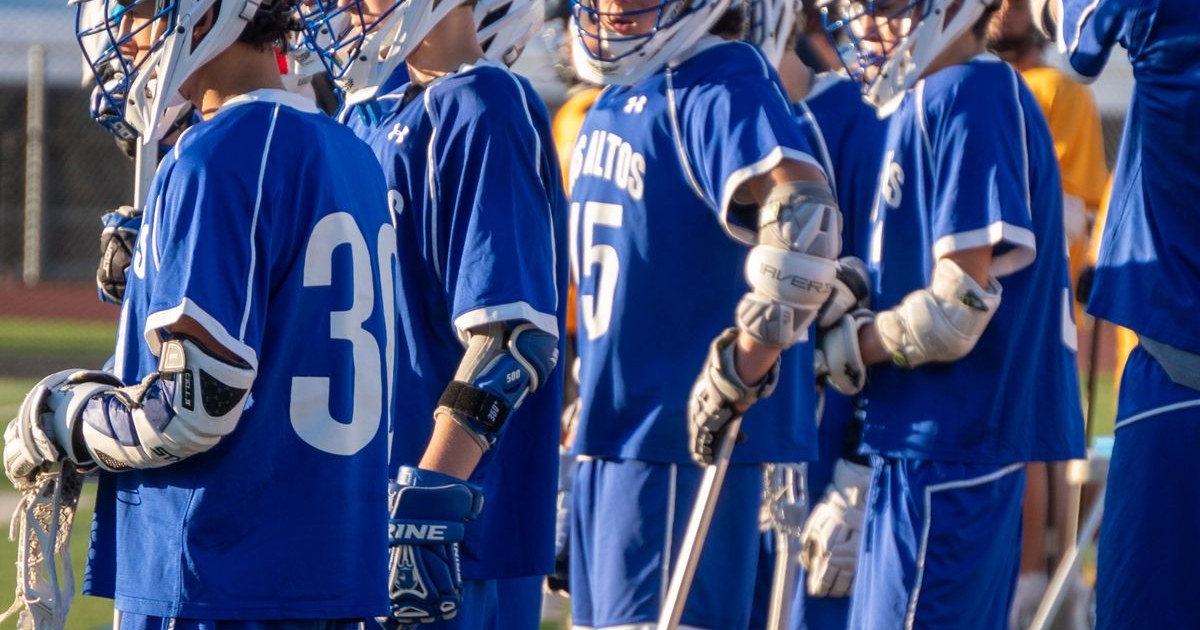
Ask what pads a youth lacrosse player needs and the honest first answer is: which game? Boys lacrosse is a checking game, and its youth players wear a required pad set: shoulder pads, arm pads, and padded gloves, worn with a helmet and mouthguard. Girls field lacrosse restricts body contact by rule, and its field players wear no pads at all: no shoulder pads, no arm pads, just goggles and a mouthguard as required protection. The exception in the girls game stands in the goal, where the goalie wears a chest protector, helmet with throat guard, and padded gloves, because she faces shots, not checks.
This page is the map of the pad system. The deep fit guides for individual pieces live in the arm pad and shoulder pad articles in the youth parents section; here the job is to get the whole set right before a first season.
The Pad System at a Glance
| Pad | Boys youth status | Girls field status | What it protects |
|---|
| Shoulder pads | Required; must meet the NOCSAE ND200 standard | Not worn by field players | Chest, sternum, shoulders, collarbone, upper back |
| Arm pads | Required | Not worn by field players | Forearm, elbow, and upper arm against stick checks |
| Padded gloves | Required | Optional, in a light unpadded style | Hands and thumbs against checks |
| Rib pads | Optional | Not worn | Ribs and kidneys; some players add them after a bruising season |
| Goalie chest protector | Required for goalies; must meet ND200 | Required for goalies; must meet ND200 | Sternum and chest against direct shots |
| Goalie pants and shin protection | Optional in field, common in box | Shin guards required for girls and womens goalies at most levels | Thighs, pelvis, and shins against shots |
The Standard That Changed Youth Pads: ND200
Since 2022, boys lacrosse shoulder pads and goalie chest protectors must comply with the NOCSAE ND200 standard, the performance standard written to reduce the risk of commotio cordis, the rare and dangerous heart rhythm event caused by a chest impact. Compliant pads carry the standard on the product and the SEI certification mark, the sign that the Safety Equipment Institute has certified the model. Two practical consequences follow. First, pads made before 2022 generally predate the standard, so a hand-me-down set needs its label checked, not assumed. Second, the check is done on the pad itself: if an old pad has no ND200 wording and no SEI mark, it is not a game pad anymore, whatever its condition.
One Fit Pass Over the Whole Set
Pads fail as a system, usually at the joints between pieces. Run this pass with the player in full gear, stick in hand:
- Shoulder pad caps sit at the points of the shoulders, and the sternum coverage stays centered when the player raises both arms to catch.
- Arm pads meet the glove cuff with no bare forearm or wrist gap when the arms extend.
- The elbow cap stays on the elbow through a full shooting motion.
- Gloves close fully on the shaft without the pad straps loosening.
- The player runs, dodges, and shoots for two minutes; anything that has migrated out of place in two minutes will be wrong for two quarters.
- Labels checked last: ND200 wording and the SEI mark present on shoulder pads or the goalie chest protector.
The Required Set, Piece by Piece
For a boys youth player, the pad system has three required pieces below the neck, and each has a distinct job. Shoulder pads protect the chest, sternum, shoulders, and upper back, and modern youth shoulder pads must carry the NOCSAE ND200 heart protection standard described on this page. Arm pads protect the elbows and forearms in one of the three coverage levels covered in the arm pads article on this site. Gloves protect the hands, fingers, and wrists, sized in inches and fitted by the grip test in the gloves article. Around those three sit the rest of the required uniform: a certified helmet, a mouthguard, and a protective cup as standard practice in the boys game. A player missing any required piece is not partly dressed. He is not dressed, and a coach who spots the gap at the field gate needs a loaner plan, not an exception.
Optional Pieces and What They Are Actually For
Rib pads are the main optional piece in the youth boys game, worn under the jersey to protect the ribs and lower back during dodges and rides. They suit midfielders and attackmen who absorb contact in traffic, and they are unnecessary weight for a young defender who rarely carries through a crowd. Some players add padded shirts or compression layers with light padding for comfort under the main set. None of the optional pieces substitutes for a required one, and none of them fixes a fit problem in the required set. Buy the required three, fit them in one pass as this page describes, and let a season of games tell you whether an optional piece answers a real need.
Hand Me Downs and Used Pads: The Honest Rules
Used pads are a normal part of youth lacrosse budgets, and they are safe when three checks pass. The foam must still be alive: press the sternum plate and the shoulder caps, and reject any pad where the foam stays dented or feels cracked and dry inside its cover. The straps and fasteners must hold tension through a full practice, not just a store try on. And the ND200 mark must be present on shoulder pads, because a pre standard hand me down, however clean, does not meet the current requirement for the chest. Helmets and mouthguards follow stricter rules covered elsewhere on this site: mouthguards are never handed down at all, and a used helmet needs a certification and condition check most families should leave to a program equipment manager.
The Two Season Plan for a Growing Player
Pads bought with a plan cost less than pads bought in emergencies. Season one, buy the required set fitted correctly now, accepting that gloves and shoulder pads may be replaced on different birthdays of growth. Between seasons, store the set clean and dry, check foam and straps before registration opens, and measure the player again rather than assuming last years fit survived the summer. Season two, replace only what the fit pass fails: most often gloves first, then shoulder pads as the chest grows, with arm pads usually lasting longest. Hand the outgrown pieces down or into the program loaner pool after the ND200 and condition checks on this page, and the set your family bought once protects two or three more children before it retires. That is the honest economics of youth pads: buy right, fit twice a year, pass it on.
The Ninety Second Pregame Pad Check
Coaches and parents can run the whole system in ninety seconds at the field gate. Ten seconds: helmet on, straps snug, no shift on a gentle shake. Twenty seconds: shoulder pads centered, sternum plate covered, arms raised without the pads riding up. Twenty seconds: arm pads in place, elbows capped, straps holding. Twenty seconds: gloves on, full grip on the stick, no bare wrist band showing. Twenty seconds: mouthguard in, cup confirmed by asking, stick measured by eye against the division the coach already knows. Any failure is a loaner or a fix, never a shrug, because the check exists for the one game in fifty where the missing piece would have mattered.
Pads for the Very First Season: A Buying Order
When everything must be bought at once, sequence the spending by consequence. First come the pieces with standards attached: the certified helmet and the ND200 marked shoulder pads, bought new or verified with care, because those two carry the safety certifications the whole system leans on. Next come gloves, fitted by the grip test, since a season of catching is built on them. Arm pads follow, at the coverage level the player will actually wear without complaint. Optional pieces wait at the end of the line, purchased only after the first month of games reveals a real need. A family that buys in that order can stop at any point with a legal, playable kit, and a family that buys in the reverse order owns beautiful accessories for a player who is not yet dressed.
One Last Rule of the Pad Bag
Everything in this system travels in one bag, and the bag gets unpacked after every use, not the night before the next game. Pads that air out last longer, smell like equipment instead of mildew, and reveal their broken straps on a quiet evening at home rather than at the field gate. The unpack is the smallest habit in youth lacrosse and the one that quietly protects every other rule on this page.
Frequently Asked Questions
Do girls lacrosse players wear pads?
Field players do not. The girls game is built on limited contact, and its required protection is goggles and a mouthguard, with light gloves optional. The girls goalie is fully padded, including a chest protector that meets the ND200 standard and shin guards at most levels.
Can my son wear his older brothers shoulder pads?
Only if the pads carry the ND200 wording and the SEI certification mark and they fit him now. Pads from before 2022 generally predate the standard, and an oversized pad that shifts off the sternum fails the purpose of the rule.
Are rib pads worth adding?
They are optional in the boys game and genuinely a judgment call. Players who carry the ball into traffic, and box players, often add them after the first hard season. They are never a substitute for the required set, and they do not exist in the girls field game.
What pads does a youth girls lacrosse player need?
A girls field player wears no pads from the boys set at all. Her required protection is certified eyewear and a mouthguard, with optional light gloves and optional ASTM marked headgear at some levels. The girls goalie is the exception: she wears a helmet with a throat guard, a chest protector meeting the ND200 standard, and goalie gloves and padding built for the position.
How do I know if shoulder pads meet the ND200 standard?
Look for the NOCSAE ND200 mark and wording on the pad itself or its permanent labeling, stating that the chest protector meets the standard for commotio cordis protection. If a pad has no mark, treat it as not meeting the standard, whatever a listing or a previous owner says, and choose a marked pad for game use.