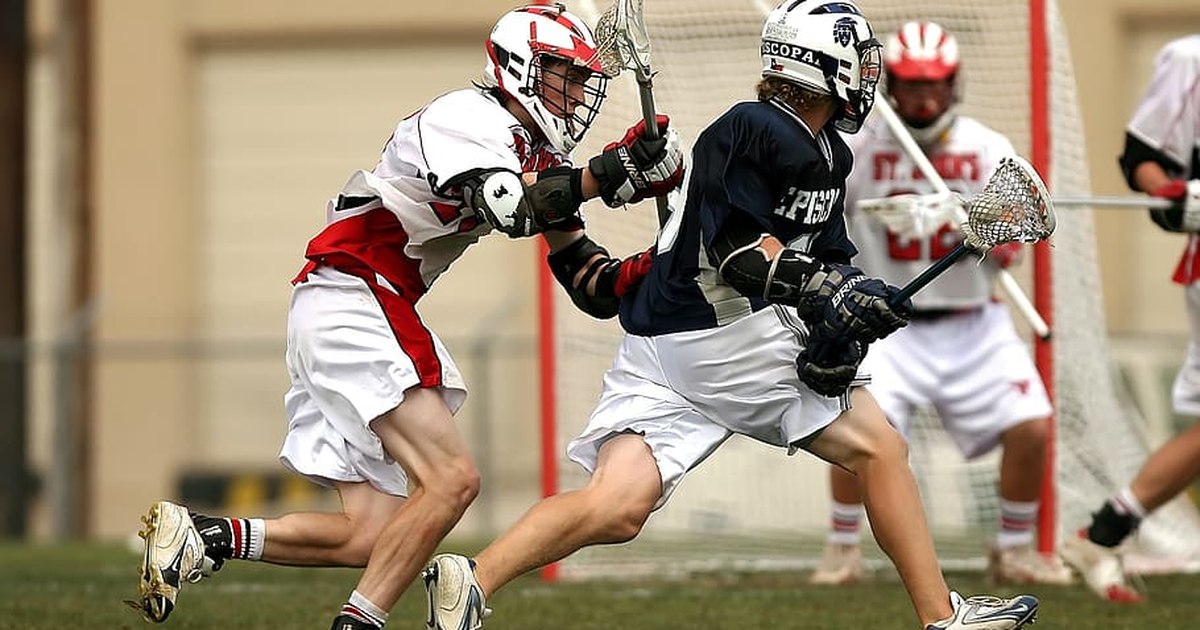
Home Drills Work When They Are Short, Specific, and Repeatable
The players who improve fastest between seasons are rarely the ones with private coaches. They are the ones with a wall, a patch of yard, and a routine they actually repeat. Lacrosse drills at home succeed on three conditions: each session is short enough to finish on a busy day, each drill has a countable target, and the space is set up safely once and left alone. This page gives you a wall ball routine with numbers, backyard ground ball and footwork setups that fit a normal yard, a weekly routine table by age, and the safety rules that keep home practice welcome in the household.
You need very little equipment: your stick, two or three balls, a solid wall or a rebounder, and about ten yards of open ground. Gloves help for wall ball realism. A helmet or goggles are your choice for solo work, but wear whatever your program requires the moment a partner starts shooting or feeding.
The Wall Ball Routine: Twenty Minutes, Counted
Stand about five yards from the wall. Every throw hits a target spot at head height, and every drop restarts the current set, because clean reps are the point.
| Set | Pattern | Target reps |
|---|
| 1 | Right hand, catch right | 25 clean in a row |
| 2 | Left hand, catch left | 25 clean in a row |
| 3 | Right throw, catch left, switch in the air | 20 clean in a row |
| 4 | One hand, top hand only, right then left | 15 each side |
| 5 | Quick stick, no cradle, right then left | 15 each side |
| 6 | Behind the back or trick finish (optional, older players) | 10 attempts, fun counts |
Beginners scale the targets down to tens and stand closer. The structure matters more than the number: both hands, a switch pattern, a one hand pattern, and a quick stick pattern cover almost every catch a game will ask for. Time the full routine once a month. The same routine finished two minutes faster with fewer drops is measurable progress you can see without a coach.
Backyard Ground Balls and Footwork
Scatter five balls across the yard. Sprint to each one, scoop through it at full speed with your top hand slid low, cradle twice, and jog it back to the start before the next rep. Ten rounds is a complete session. Add a second player rolling balls at angles for reaction work, or a cone gate you must run through after each scoop to force your head up.
For footwork, set four cones in a short line or a small square. Work defensive slides, approach steps, and change of direction at three quarter speed, stick in your hands, head up. Keep total footwork work under eight minutes; tired feet teach sloppy steps, and the goal is crisp patterns your games can borrow.
The Weekly Routine by Age
| Age band | Sessions per week | Minutes per session | Emphasis |
|---|
| 8U to 10U | 2 to 3 | 15 to 20 | Scoops, cradling, simple wall ball or partner catch |
| 12U | 3 | 20 to 25 | Full wall ball sets, ground balls, both hands every session |
| 14U | 3 to 4 | 25 to 35 | Wall ball at speed, switches, one hand work, footwork |
| High school | 4 | 30 to 45 | Full routine timed, position specific reps, shooting on a net if space allows |
Rest days are part of the table. Young arms and growing bodies improve during recovery, and a routine that leaves a player sore for team practice has its priorities backwards.
Safety and Neighbor Rules for Home Practice
Use a wall that belongs to your household and can take the impact: brick, concrete, or a purpose built rebounder. Never throw against windows, siding, a fence shared with a neighbor, or a garage door with a car behind it unless the household has agreed. Keep balls off roofs and streets by choosing your throwing direction with the misses in mind, because every wall ball player misses. Indoors, switch to a soft training ball or tennis ball and stick skills only, no shooting. Stop any drill that sends balls toward people, pets, or traffic, and reset the space instead of hoping the next rep behaves.
Making It Stick: The Habit Design
Attach home work to an existing routine, after school snack or before dinner, and keep the gear by the door where it is seen. Track sessions on a simple calendar with an X per finished day; children especially will protect a streak long after motivation fades. Parents help most by rebounding loose balls, counting clean reps out loud, and praising the streak rather than the talent. Two short sessions finished beat one heroic weekend session skipped, every single week of a season.
Worked Example: A 12U Players Six Week Turnaround
A 12U midfielder started the season catching only with her strong hand and avoiding her left in games. Her home plan was modest: the wall ball table three times a week, with the left hand set doubled, plus ten backyard scoops on off days. By week three her routine time dropped from twenty eight minutes to twenty one. By week six her coach moved her to the first midfield line, not because she became the fastest player on the team, but because she became the one whose clears and outlets worked with either hand. That is what home reps buy: options under pressure.
Shooting at Home: Only With the Right Setup
Shooting practice at home is the request parents most often get wrong. A regulation ball shot at a garage, a fence, or a net with no backstop will eventually find a window, a car, or a neighbor. If your property allows a proper target with a real backstop and a safe miss zone, short range form shooting with soft balls or into a quality net is reasonable for older players. If it does not, skip home shooting entirely and spend those minutes on wall ball, which builds the hands that make shots possible, without the property damage.
Goalies have a home option too: a partner or parent tossing tennis balls from short range for hand speed work, full helmet and chest protection on, in a space where a missed ball harms nothing. Ten minutes of that, twice a week, is a genuine reaction program for a young keeper.
When Home Work Is Not Working: A Troubleshooting List
If a players routine keeps getting skipped, the session is too long, the time of day is wrong, or the gear lives somewhere inconvenient. Shorten it before you abandon it. If wall ball numbers stall for weeks, the target is too hard; drop the reps per set and rebuild the streak at a number the player can finish cleanly. If a child dreads home practice, a parent has probably turned it into a second coaching session. Parents count, rebound, and encourage. Technique corrections belong to the team coach, except for the one cue the coach has asked the family to reinforce.
If home work causes arm or shoulder soreness that lasts into the next day, cut throwing volume in half and tell the coach. Growing arms have limits, and a home program that injures a player has failed at its first job.
A Four Week Starter Calendar for a New Family
Week one: two sessions, wall ball sets at half targets plus ten scoops, gear stored by the door. Week two: three sessions, full scoop circuit added, streak calendar started on the refrigerator. Week three: three sessions, full wall ball targets for the players age band, one session timed for fun. Week four: three to four sessions, routine now owned by the player, parent role reduced to counting and company. At the end of the month, compare the routine time and the drop count with week one. The numbers will make the argument for continuing better than any speech about hard work.
Position Flavors: Small Changes for Attack, Midfield, Defense, and Goalie
The base routine serves every field player, but ten minutes of position flavor sharpens it. Attack players add quick stick finishing patterns against the wall and one dodge move rehearsed at three quarter speed in the yard. Midfielders add longer carries, ground ball to sprint sequences that imitate a clear. Defenders add footwork patterns and long pole handling reps, including switches and checks against a heavy bag or a padded post where the household allows. Girls players in every position add draw motion reps if they take draws, twenty wrist snaps to a called target against a fence or into a net.
None of these replace the base routine. They ride on top of it, the way a players position rides on top of the shared skills of the game.
Tracking Progress Without Expensive Tools
A notebook page per month is enough. Record routine time, total drops, scoops completed in a minute, and one sentence about what felt easier. Every eight weeks, repeat a simple benchmark session and compare the page. Players who can see their own numbers improve stay with home work through the boredom that kills most routines in week three. Parents can keep the notebook for younger children; by twelve, the player should own the page, because owning the record is part of owning the development.
Frequently Asked Questions
How often should a player do lacrosse drills at home?
Two to four short sessions a week is the productive range for most players, scaled by age in the table on this page. Consistency matters far more than marathon sessions, and rest days protect both arms and motivation.
What is the best lacrosse drill to do at home?
Wall ball, because it trains throwing, catching, hand switching, and quick release in one countable routine with no partner. Ground ball scoops in the yard are the close second, since the scoop decides youth possessions.
Can you practice lacrosse at home without a wall?
Yes. Use a rebounder, a partner, or a parent feeding passes, and lean on ground ball circuits, cradling courses, and footwork patterns. A pitch back rebounder is the standard wall substitute and folds away for storage.
How much space do you need for backyard lacrosse drills?
About ten yards of open ground handles scoops, footwork, and partner passing. Wall ball needs only a five yard throwing lane and a safe wall. Shooting needs a proper net and a safe backstop, or it does not belong in the yard plan.
Should kids wear gear for home lacrosse drills?
For solo wall ball and scoops, gloves are useful and other gear is a family choice. The moment a partner shoots, feeds hard passes, or any live contest starts, wear the full protective set your game requires.