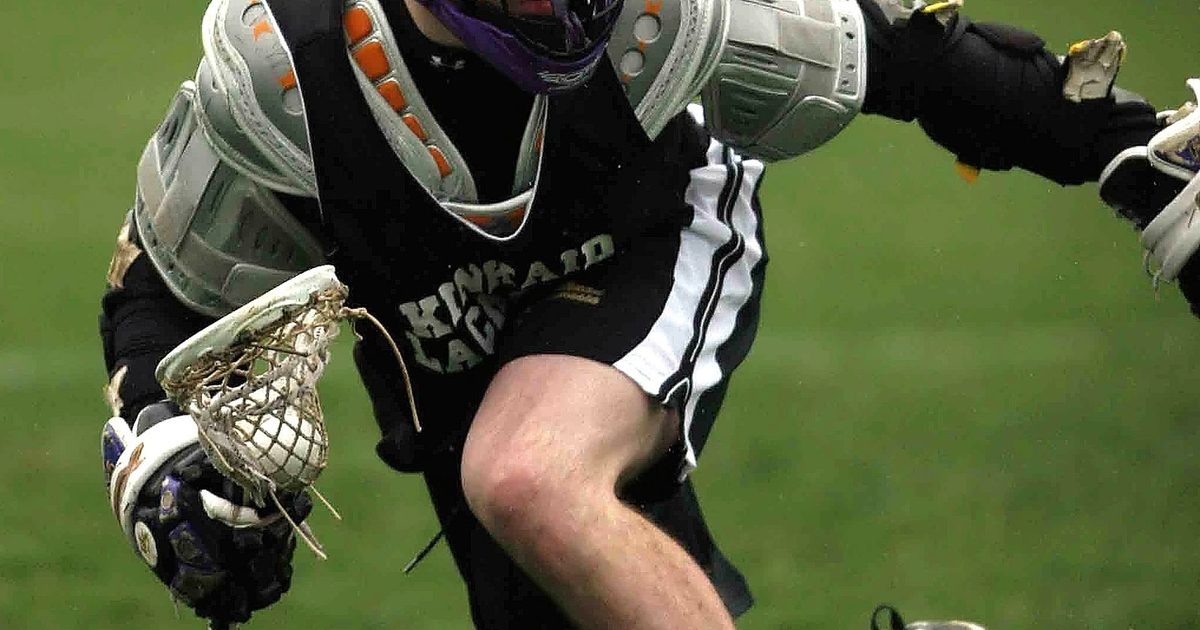
Wall Ball Routines With Rep Schemes
Find a flat, solid wall and a safe space. Start about 5 to 7 yards from the wall for control work and step back to 8 to 10 yards for harder catches as you improve. Mark a target spot at about head height with tape or a chalk mark if allowed. Every throw aims at the spot.
Routine A: Foundation, about 8 minutes.
| Block | Reps | Notes |
|---|
| Dominant hand throw and catch | 25 | Steady rhythm, feet moving |
| Non dominant hand throw and catch | 25 | Expect drops, stay patient |
| Quick stick, no cradle | 20 total, alternate hands by 5 | Ball in and out fast |
| One hand catches, dominant then non dominant | 15 each | Start close, soft hand |
| Throw dominant, catch non dominant, and reverse | 20 total | Builds weak hand without panic |
Routine B: Advanced, about 10 minutes. Add behind the back and around the world catches only after Routine A is clean.
Coaching points that never change: throw overhand, keep your top hand near the head for control on quick reps, and if your form breaks down, step closer and slow down. Solo practice with bad form is just rehearsing mistakes alone.
Ground Ball Work Alone
Scatter 6 to 10 balls in a rough line or arc, each about 4 to 5 yards apart, on grass or turf.
Add two progressions across sessions. First, alternate hands on each scoop, forcing weak hand ground balls at game speed by round three. Second, add a turn: after each scoop, roll or split away from an imaginary checker before cradling out. In games, the scoop is only half the skill. The exit is what keeps possession.
On hard ground or in a driveway, use a softer practice ball if bouncing and roll become unpredictable, and never scoop toward windows, cars, or people.
Dodging and Footwork Alone
Set 5 cones, chairs, or shoes in a line about 5 yards apart, or in a gentle zigzag if space allows. Carry the ball at three quarter speed and perform one dodge per marker, rotating split dodge, face dodge, and roll dodge. Complete 6 trips, alternating your starting hand each trip.
Then add shooting if you have a goal or a safe target net. Start about 12 yards out, execute a dodge at a single cone placed about 10 yards from the goal, and shoot on the run at a corner. Take 10 shots from the right and 10 from the left.
Footwork without the ball matters too. Two sets of defensive slides and breakdown steps, 20 seconds per set, done after dodging, will make your solo session build both ends of the field.
A Sample 30 Minute Solo Session Plan
| Time | Block | Work |
|---|
| 0 to 4 minutes | Warm up | Light jog, dynamic movement, easy cradling both hands |
| 4 to 12 minutes | Wall Ball Routine A | Full rep scheme above, target spot on every throw |
| 12 to 18 minutes | Ground ball line | 4 rounds, alternate hands by round |
| 18 to 25 minutes | Dodge series plus shots | 6 dodge trips, then 10 shots per side if a goal is available |
| 25 to 30 minutes | Weak hand finish | Wall ball weak hand only, slow and clean, plus stretching |
Run this session two to three times per week between practices and your hands will separate from players who only train with the team. Track two numbers in a notebook or phone note: clean catches in the rapid fire finish and weak hand drops in Routine A. Solo training becomes motivating when last week score is sitting there asking to be beaten.
Safety and Space Notes
Choose a wall and ground where a missed ball cannot hit people, traffic, or property. Wear gloves if your hands blister during high rep wall ball, and stop a set when your throwing shoulder form collapses into sidearm slinging. Solo work should leave you sharper, not sore in the wrong places.
A 45 Minute Session for Experienced Players
Players with clean Routine A mechanics need more decision load, not more minutes. Warm up for five minutes with movement and easy cradling. Run Routine B for twelve minutes, adding a called target change every ten reps so the eyes move before the hands. Spend ten minutes on a ground ball circuit that alternates scoop hands and finishes each rep with a split dodge exit at a cone. Spend twelve minutes on dodge and shoot work: a dodge at a cone ten yards from the goal, a shot on the run, alternating sides, with every third rep starting from a ground ball pickup instead of a carry. Finish with six minutes of weak hand wall ball at the fastest speed that stays clean. The session totals forty five minutes and touches every solo skill family at game speed.
Tracking Progress Without Guessing
Keep three numbers in a phone note after every session. First, clean catches out of fifty in the rapid wall ball finish. Second, weak hand drops during Routine A, counted honestly. Third, shots on target out of twenty in the dodge and shoot block. Review the three numbers every two weeks. Rising clean catches with flat weak hand drops means the next block of work belongs to the weak hand, not to more dominant hand volume. Solo training improves fastest when the numbers, not the mood of the day, choose the next session focus.
Solo Work for Goalies and Faceoff Players
Goalies train alone with arc footwork and reaction starts: set in the crease, step the arc pipe to pipe on a self called direction, and finish each set with a clearing throw at a target. A tennis ball thrown against a wall from close range builds hand speed for saves without needing a shooter. Faceoff players train the clamp motion against a ball on the ground with a whistle app or a self counted cadence, working the exit direction after each clamp: forward, backward, and to each wing. Ten focused minutes of either specialty beats an hour of general work for a player whose team role is already set.
Turning a Driveway Into a Training Space
A driveway session works when it is set up like a practice, not like hanging around with a stick. Mark a throwing line with a shoe or a chalk mark so distances stay honest across sessions. Place the ground ball line on the flattest stretch, and run scoops away from the street and away from parked cars, never toward them. Set cones for the dodge series in the same spots every session; familiar spacing lets the player measure speed honestly week to week. Keep a water bottle and the session numbers note at the throwing line, so breaks and tracking happen without a trip inside that quietly ends the session. Neighbors and passing cars are part of the environment: a player who cannot train safely in the space available should move the session to a park wall and grass, where the full routine, shots included, can run without a single safety compromise.
Building a Weekly Solo Schedule That Survives Real Life
The schedule that works is the one that fits the week a player actually has. Anchor two full sessions, the 30 minute plan and, for experienced players, the 45 minute version, on the two least busy days. Fill the gaps with ten minute wall ball minimums on two other days, small enough that homework, weather, and family plans cannot kill them. Protect one full rest day with no stick at all, because hands and shoulders adapt between sessions rather than during them. When a week collapses, and some weeks will, the rule is to shrink sessions rather than skip them: a ten minute Routine A on a day planned for forty five keeps the habit and the hand speed alive. Players who treat the minimum session as a real session stay consistent for seasons, and consistency, not any single heroic workout, is what solo training is actually selling.
Frequently Asked Questions
How often should I do wall ball?
Short and often beats long and rare. Fifteen to thirty minutes, three to five days per week, builds hands faster than one long weekend session. Daily wall ball at even 10 clean minutes is a legitimate habit for a serious player.
What if I do not have a wall?
Use a rebounder if you have access to one, a partner when available, or focus the session on ground balls, dodging, and footwork, which need no wall at all. A sturdy fence can work for soft tosses, but a flat wall or rebounder gives the true return you need for timing.
Should beginners train alone?
Yes, with simple routines and a softer ball if needed. Beginners should use Routine A at close range, ground ball lines at a jog, and cone dodging at half speed. Solo basics are exactly how beginners catch up.
What is the best solo drill for a beginner?
Ground ball lines and short range wall ball share the title. Ground balls teach the scoop and the exit that youth games reward most, and wall ball at five yards with a target spot builds catching without a partner. Start every beginner session with ten minutes split between the two before touching anything advanced.
How do I practice shooting alone without a goalie?
Shoot at corners, not at the goal. Place a target, a hanging towel, a cone on the goal line, or a marked square of tape if the frame allows it, and count shots that hit the target zone out of twenty. Shooting at a goalie shaped empty middle teaches shots the goalie saves. Corner targets teach finishing.