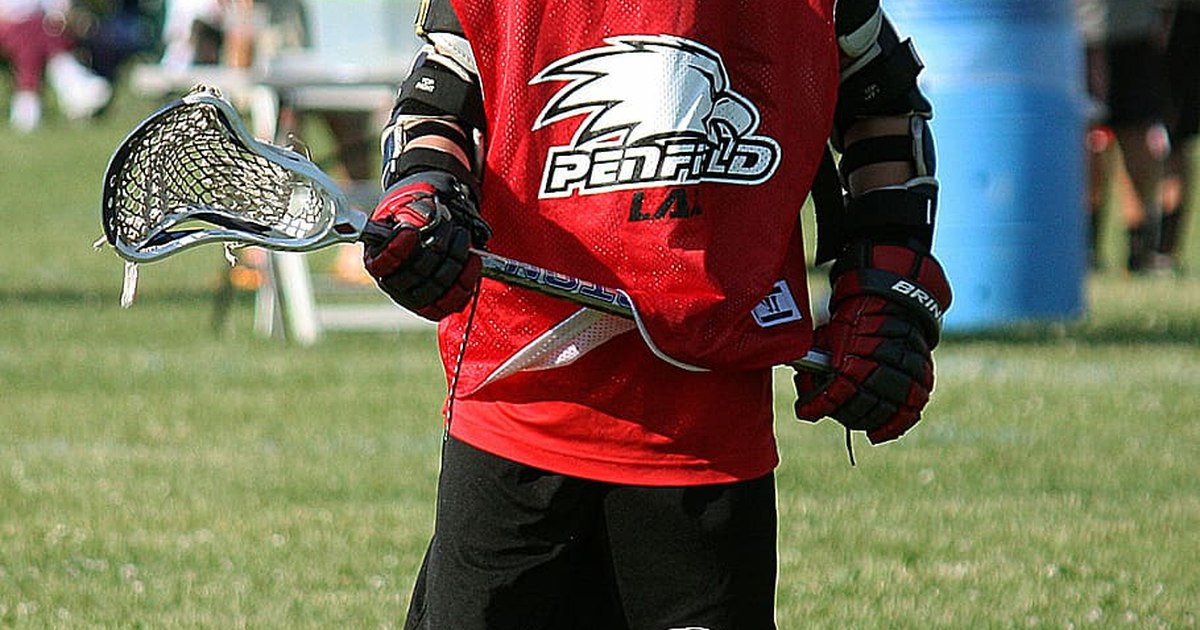
Kids Drills Run on Three Rules: Short, Moving, and Fun With a Purpose
A drill for a seven year old succeeds or fails on design before it begins. Lines must be tiny, instructions must fit in one sentence, and every child must touch the ball within the first minute. Lacrosse drills for kids are not watered down older drills. They are a different format built for short attention spans: games with a skill hidden inside, rotations every few minutes, and success counted in touches and smiles rather than in perfect form. This page gives parents and youth coaches a set of first drills for ages six to ten, with group sizes, coaching cues in the words coaches actually say, and the safety setup for each one.
Gear for these drills is the standard youth set for your game: for boys, a certified helmet, mouthguard, gloves, and pads as your division requires; for girls, certified eyewear and a mouthguard. Soft training balls are a fine choice for the youngest groups and for any drill where balls fly toward faces at close range.
Drill One: Scoop the Treasure
Scatter twenty balls across a small area. Children run out one or two at a time, scoop one ball on the move, cradle it back, and drop it in the team bucket. Race the clock, not each other: can the whole team clear the field in two minutes? Coaching cue: scoop through it and run, do not stop and rake. Group size: everyone, in waves of four to six. This is the ground ball, the most valuable skill in youth lacrosse, wearing a pirate costume.
Drill Two: Sharks and Minnows With Sticks
One or two sharks stand in the middle of a marked channel. Minnows cradle a ball from one end to the other while sharks try to knock balls loose with legal, controlled stick taps for older groups, or simply tag a minnows shoulder for the youngest groups. A minnow who drops the ball or gets tagged becomes a shark next round. Coaching cue: stick up beside your shoulder, ball tucked away from the shark. Group size: eight to fourteen. This teaches protecting the stick under pressure, the exact skill that decides whether a young player keeps the ball in games.
| Drill | Group size | Minutes | Skill hidden inside |
|---|
| Scoop the Treasure | Waves of 4 to 6 | 6 to 8 | Ground ball scoop on the move |
| Sharks and Minnows | 8 to 14 | 8 | Cradling and protecting the stick |
| Partner Popcorn Passing | Pairs | 6 | Throwing and soft hand catching |
| Cone Weave Relay | Teams of 4 | 6 to 8 | Cradling while changing direction |
| Target Toss | Pairs or solo at a wall | 6 | Aiming a pass at a called spot |
| 3 against 3 Mini Games | 6 per mini field | 10 to 12 | Everything, in game form |
Drill Three: Partner Popcorn Passing
Pairs stand eight to ten yards apart, closer for the youngest children. The coach calls popcorn, and partners pass back and forth as quickly as they can catch cleanly, counting their total out loud together. Every twenty seconds, freeze and check the picture: stick shown as a target beside the ear, soft hands giving with the catch. Coaching cue: show me your stick, catch it like an egg. Counting together keeps both children engaged, and pairs reset their own dropped balls so nobody waits for a coach.
Drill Four: Cone Weave Relay and Target Toss
For the weave, set five cones in a gentle line. Children cradle through the cones, switching hands at each cone for older groups, turn at the end, and sprint straight back to tag the next teammate. Teams of four keep waits under thirty seconds. For target toss, hang or draw three targets on a fence or wall at different heights, or set three buckets at different distances, and let each child call a target before throwing. Calling the target first builds the habit of looking before passing, which coaches will thank you for in three years.
The Session Shape for Ages Six to Ten
A good kids session runs forty five to sixty minutes: eight minutes of a running warm up game, three drill stations of six to eight minutes each with water between, and a finish of 3 against 3 mini games for ten to twelve minutes on a field small enough that everyone touches the ball constantly. USA Lacrosse youth formats for these ages are small sided for exactly this reason. End while it is still fun. A child who leaves wanting more comes back next week, and returning next week is the whole development plan at this age.
Safety and Sanity for Adults Running Kids Drills
Keep groups small enough that no child stands in line longer than thirty seconds. Keep sticks down and away from faces in every drill, and teach the whistle means freeze from the very first session. Use soft balls for close range throwing with the youngest players. Rotate any child who is overwhelmed into a success role, feeding balls or counting reps, rather than letting frustration build in front of the group. And keep score loosely: count team totals against the clock or against last week, not child against child, because the slowest developer in March is often a starter by the following spring.
Drills for the Backyard: A Parent Run Version
Parents do not need a whistle or a practice plan to run the home versions of these drills. Scoop the Treasure works in any yard with five balls and a bucket. Partner Popcorn Passing works at eight yards with a parent as the partner, and it improves faster if the parent shows a target and calls for the ball just like a teammate should. Cone Weave works around shoes or water bottles. Ten to fifteen minutes, two or three times a week, ending with a game the child chooses, is a complete home program for this age band.
Resist the urge to coach every rep. At six to ten, the parents best contributions are balls retrieved quickly, counts kept cheerfully, and one single cue repeated, usually scoop through it or show me your stick. A child who associates the yard with success and a parents full attention will ask for the next session herself.
When a Child Is Not Ready for a Drill, Shrink It
Every drill in this page has a smaller version. Scooping can start from a slow walk with the ball placed kindly rather than rolled. Passing can start at five yards with a soft ball and no counting. Sharks and Minnows can start with no sharks at all, just minnows cradling across and back to learn the channel. Shrinking a drill is not lowering standards. It is placing the challenge where a specific child can succeed today, which is the entire craft of coaching young children in any sport.
Watch for the two signals that a drill is too big: children stopping to watch instead of moving, and success so rare that faces fall. Both mean shrink it now, celebrate the smaller win loudly, and grow it again next week.
What Comes Next: Ages Eleven and Twelve
As children approach eleven and twelve, drills lengthen, lines can grow slightly, weak hand work becomes a real expectation, and small sided games expand toward the youth formats of their division. The games in this page still work as warm ups and variety, but the staple becomes structured skill blocks and team concepts. The transition goes best when it is gradual: keep one beloved game in every practice even as the serious work arrives, because the players who stay in the sport are the ones who still find it fun at twelve.
Including Every Child: Adaptations That Keep the Group Together
In any group of twenty children, some will be coordinated beyond their years and some will still be learning to run and catch in the same month. Good kids drills include both without separating them publicly. Give advanced children a harder version inside the same game: scoop with the weak hand, pass at a longer distance, or play as a shark with a smaller target. Give developing children a closer distance, a softer ball, or a success role with real responsibility. Because the game shape stays identical, nobody can tell who has which version, and the group stays one group.
Children with disabilities belong in these drills with the same design thinking: adjust distance, ball type, target size, or movement pattern so the skill being taught is the skill being practiced. Ask the family what works in physical education at school. They are the experts on their child, and a two minute conversation in week one prevents a season of near misses.
Ending the Season: What Success Looks Like at Ten
By the end of a first season, success is not a statistic. It is a child who scoops on the move without thinking, who shows a target and calls a teammates name, who understands the whistle, and who asks when the next season starts. The drills in this page are built to produce exactly that child. Keep them short, keep them moving, and keep the score where it belongs at this age: on the clock, on the bucket, and on the number of children who come back next spring.
Ending Every Session With a Win
Young players remember the last five minutes more clearly than the first forty, so engineer the ending on purpose. Close with a game the whole group can succeed at together: the team works as one unit to score a set number of goals against the coach playing lazy goalie, and the target number is chosen so the group reaches it with about a minute to spare. If the session ran long and energy is fading, shrink the field and add a second ball instead of raising the target. The ride home then starts with a story about the goal that beat the coach, and that story, retold at dinner, does more for next week's attendance than any flyer the league sends home in a backpack.
Frequently Asked Questions
What are good first lacrosse drills for a six year old?
Scoop games with balls scattered on the ground, short partner passing at close range, and cradling relays around cones. Keep each activity under eight minutes, use soft balls where helpful, and finish with a small sided game.
How long should a kids lacrosse practice last?
About forty five to sixty minutes for ages six to ten, including water breaks. Shorter, high touch sessions teach more than long ones, because attention and coordination fade quickly at this age.
How many kids should be in one drill group?
Small enough that nobody waits more than about thirty seconds: waves of four to six for scoop and relay drills, pairs for passing, and six per mini field for small sided games. If a line forms, split the drill, do not lengthen the line.
Do young kids need full gear for drills?
Wear what your division requires for practices and games: helmets and pads for boys, certified eyewear and mouthguards for girls. Coaches sometimes simplify for a specific soft ball drill, but the program standard is the default.
How do I keep lacrosse drills fun for beginners?
Hide the skill inside a game, count team totals instead of ranking children, rotate every few minutes, and end with small sided play. Children repeat what feels like play, and repetition is where the learning hides.