What a Starter Set Is, and What It Is Not
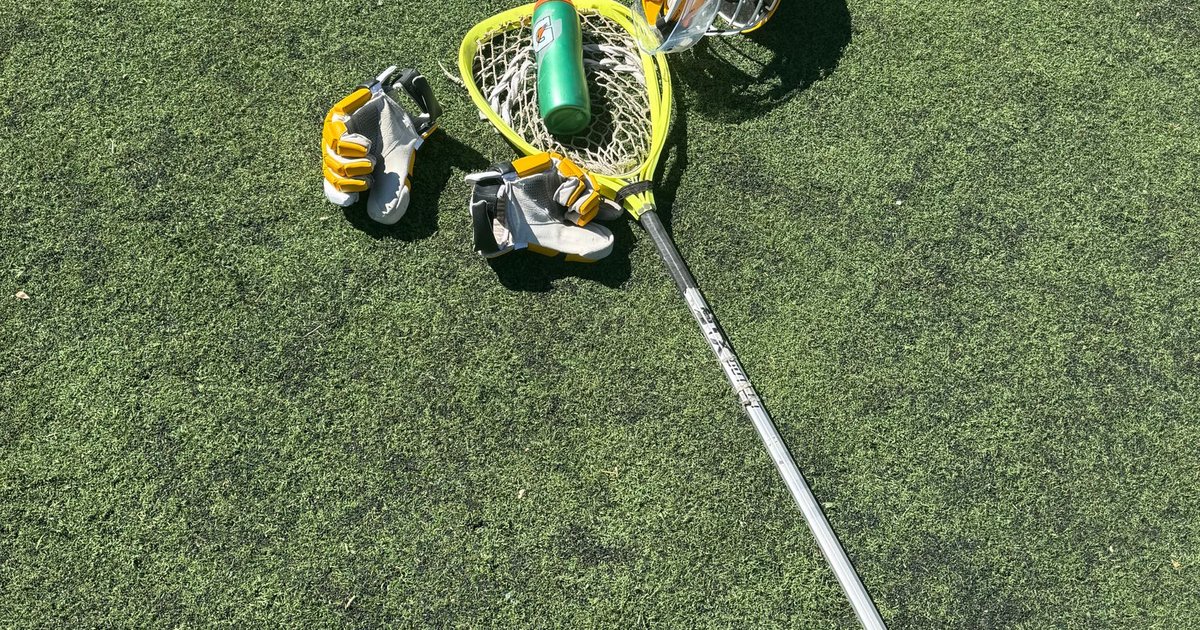
A youth lacrosse starter set bundles the protective pieces a new boys player needs into one box at one price: typically shoulder pads, arm pads, and gloves, sized as a group. Some bundles add a helmet, and some add a complete stick. The appeal is real. One purchase, one size decision, and a first year player walks onto the field covered. The risk is equally real. A bundle is sized for shelf convenience, and a child is not a shelf. This audit walks through what should be inside the box, what almost never is, and the three checks that tell you whether a given set fits your player or merely fits its packaging.
Girls starter sets exist too, but they are built around a different game. A girls bundle usually centers on a complete stick, certified eyewear, and sometimes light gloves. Comparing a boys bundle and a girls bundle side by side teaches the first lesson of the sport: the two games protect their players in completely different ways.
Inside a Complete Boys Set: The Honest Inventory
| Piece | In a typical bundle | The check that matters |
|---|
| Shoulder pads | Yes | ND200 wording plus the SEI mark on the pad itself |
| Arm pads | Yes | Elbow cap centered, strap holds through a full stick swing |
| Gloves | Yes | Full grip on a shaft without knuckle binding |
| Helmet | Sometimes, as a bundle upgrade | Certified lacrosse helmet, fitted by head measurement |
| Complete stick | Sometimes | Legal length for the age group, pocket that throws straight |
| Mouthguard | Rarely | Moldable, fitted to this player, never shared |
| Cleats | Almost never | Molded studs for youth play, fitted like school shoes |
| Protective cup | Almost never | Sized for the player, worn from the first contact practice |
| Gear bag | Sometimes, as a promotion | Big enough for the full kit plus a change of clothes |
Read the table as a shopping list with gaps marked. The pieces in the lower rows are the ones families end up buying at the field store on the first Saturday, at weekend prices, because the box implied the job was finished.
The Helmet Question, Answered Plainly
The helmet is the most expensive single piece in boys lacrosse, and bundles handle it in two ways. Premium bundles include one, usually in a small range of shell sizes with adjustable fit systems. Budget bundles leave it out entirely and price accordingly. Neither approach is dishonest, but the family has to know which box they bought before the first practice, not during it.
If a helmet is inside, fit it by measurement: wrap a tape just above the eyebrows, start from the size that measurement indicates, then run the shake and nod tests. The helmet should move as one piece with the head, sit level with its front edge low over the brow, and show no pressure point building after ten minutes of wear. If the bundle helmet fails those tests, the correct move is a separate helmet purchase, even though it breaks the one box idea. Head protection is the last place a bundle discount should make the decision.
The Bundled Stick: Where Sets Cut Their Corners
When a set includes a complete stick, examine it harder than any pad. Bundle sticks are strung for price, and a badly strung pocket teaches a new player that catching and throwing are harder than they are. Drop a ball in the pocket and look at the depth. In the boys game, the top of the ball must stay above the bottom edge of the sidewall when viewed from the side. Throw ten balls against a wall. A pocket that hooks every throw upward or dumps it into the ground needs restringing, which is a real cost to add to the bundle price in your head.
Length matters just as much. Youth short sticks run shorter than the adult range at the youngest levels: 37 to 42 inches at 8U and 10U for attack and midfield under the USA Lacrosse youth rules, with the regulation 40 to 42 inch range arriving at 12U. A bundle stick cut to adult length hands a small player a lever he cannot control. Measure the complete stick, head and cap included, before the first practice.
The One Size Trap and the Two Brand Problem
Starter sets are sold in grouped sizes, small, medium, and large, and each piece inside follows the group. Real children are not grouped. A tall thin nine year old can need medium gloves on a small frame, and a stocky player can need the opposite. Before buying, try to fit the pieces individually in a store even if you order the bundle later. Note which piece is closest to its limit. That piece sets the true size of the set for your child, and it is the first piece he will outgrow.
Brand charts disagree with each other as well. The medium in one maker line can match the large in another at the chest while matching the small at the hand. The only number that travels between brands is the measurement itself: chest circumference for pads, palm crease to middle fingertip for gloves, head circumference for a helmet. Measure once, write the three numbers down, and shop with those instead of with last year size labels.
The ND200 Check Applies to Bundles Too
A starter set is not exempt from certification rules because it was sold as a package. The shoulder pads inside must carry the NOCSAE ND200 standard and the SEI mark, exactly as a standalone pad must. Clearance bundles deserve extra suspicion here, because old stock is how pre standard pads reach new families at attractive prices. Open the box in the store, find the mark on the pad, and only then start judging the fit. A cheap set with an uncertified pad is not a set at all, since a league official can pull that pad and leave the player sidelined.
Goalie families should also know that a field player bundle is the wrong starting point for a goalie. The goalie needs a chest protector built for the position, a throat guard on the helmet, and gloves with reinforced thumbs. Programs often lend goalie gear to beginners, which is the smarter first season path for that position.
What Is Never in the Box
Three purchases always wait outside the bundle. The mouthguard comes first: it must be molded to one mouth, so no honest set can include a finished one, and a backup belongs in the bag from week one. Cleats come second: youth players need molded studs, fitted with about a thumb width of toe room, and broken in at practice before a game. The protective cup comes third for boys players as contact begins. Add a water bottle, a gear bag if the promotion skipped it, and a spare mouthguard, and the true first season budget is the bundle price plus this short list. Knowing that total in advance is the difference between a set that feels like a bargain and one that feels like a trick.
A Worked Example: Auditing One Medium Bundle
Imagine a parent pricing a medium boys bundle for a nine year old who measures twenty eight inches around the chest and seven inches from palm crease to middle fingertip. On the maker chart, the chest lands mid medium while the hand lands at the very top of medium. In the store, the pads pass the mark check and the fit test, the arm pads center correctly, and the gloves grip well but leave the fingers at the very ends of the stalls. The bundled stick measures forty one inches complete and throws straight after a minor bottom string adjustment.
The verdict the family reaches is buy the set, with eyes open: the gloves are the known first replacement, probably midseason, and the budget keeps room for them plus the mouthguard, cup, and cleats the box never claimed to hold. That is a starter set used correctly, as a measured starting point with its weak piece named, rather than as a promise that one box finished the job.
Girls Starter Sets: A Different Box Entirely
A girls bundle deserves its own audit because the contents list runs in a different order. The stick comes first, and it must be a girls model whose pocket passes the visibility and free fall tests described in the stick comparison guide on this site. Eyewear comes second: certified goggles carrying the ASTM standard and the SEI mark, fitted with no gaps at the temples. Light gloves are optional in most girls programs and appear in bundles as a comfort item rather than a requirement. A mouthguard, again, is the piece no box can finish for you.
What a girls set should never contain is boys padding marketed as unisex protection. A girls field player wearing boys shoulder pads is not extra safe. She is wearing equipment her game does not use, fitted for contact her rules do not allow, and an official can ask her to remove it. The exception remains the goalkeeper, whose set mirrors the boys goalie list and usually comes from the program rather than from a retail bundle.
Budget honestly for the girls path as well. The stick and goggles carry the cost, cleats and a mouthguard wait outside the box, and a second stick becomes the first big optional purchase once a player commits to a second season. A family that prices those four items before buying any bundle will recognize a real bargain when one appears, and will walk past the bundles whose discount lives entirely in pieces their daughter will never wear.
Frequently Asked Questions
Does a youth starter set include a helmet?
Some do and many do not. Budget sets usually stop at pads and gloves, while premium bundles add a helmet as the headline upgrade. Read the contents list for the exact box in front of you, and if a helmet is included, fit it by head measurement and the shake test rather than trusting the bundle size.
Are starter sets worth it for a first year player?
Usually yes, for one season, when the pads carry the ND200 mark and each piece passes its own fit test. The bundle discount is real, and a first year player may switch positions or sports. The value disappears when a family pays bundle prices for pieces that fit badly and get replaced within a month.
What size starter set should I buy?
Choose by measurements, not by age printed on the box. Take chest circumference, hand length from palm crease to middle fingertip, and head circumference if a helmet is included. The piece that lands closest to the top of its size range decides how long the set will serve.
Can a starter set be handed down to a younger sibling?
The pads and gloves can, if the foam still springs back under a thumb press, the straps hold, and the ND200 mark is present on the shoulder pads. The mouthguard never hands down. Helmets hand down only when the shell and foam are undamaged and the fit tests pass on the new head.
What else do I need to buy with a starter set?
Plan on a moldable mouthguard plus a spare, molded cleats, a protective cup for a boys player, and a water bottle. A gear bag is the other common extra. None of these arrive inside a typical bundle, so add them to the first season budget from the start.