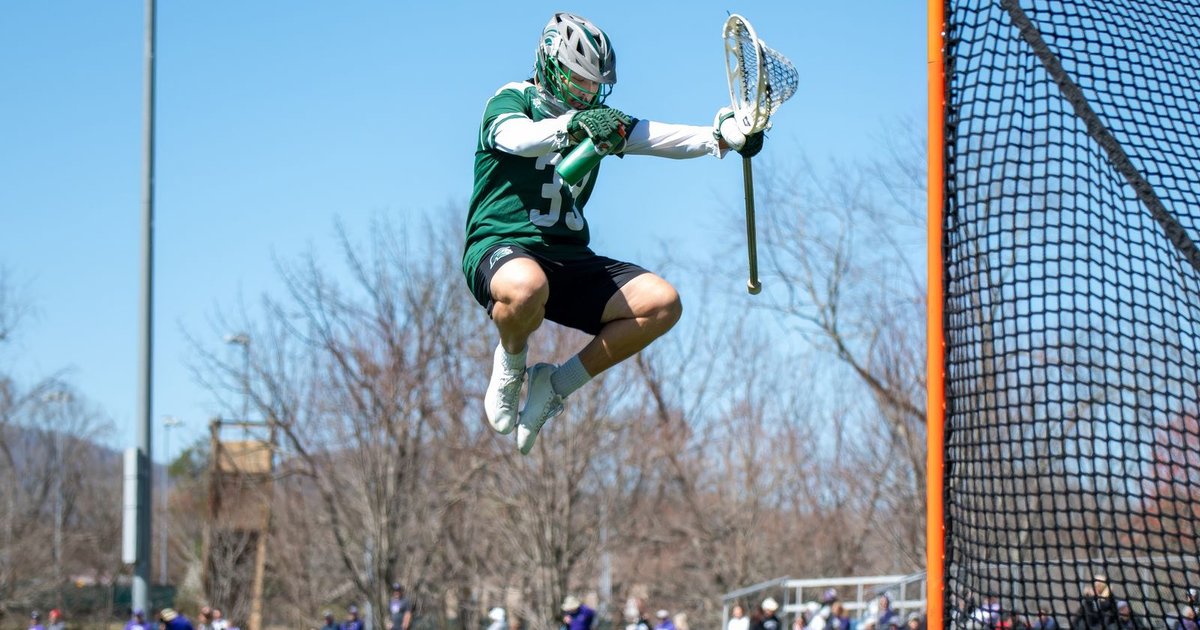
The Short Answer: Same Helmet, One Required Addition
In field lacrosse, a goalie does not wear a special helmet. The goalie wears the same certified lacrosse helmet as every field player on the team, fitted to the same standard. What makes the goalie setup different is what attaches to that helmet: a throat guard, hanging below the mask to cover the gap between the chin and the chest protector. That guard is required equipment for goalies in both the boys and girls games, and it is the piece officials look for when they check a goalie before a game.
So the honest answer to the title question is that the helmet is the same and the system around it is not. A goalie helmet without its throat guard is an incomplete, illegal setup. A field player helmet with a throat guard added is, as far as the helmet itself goes, a goalie helmet.
Why the Throat Guard Exists
Picture the goalie stance: knees bent, chest leaning forward, chin down toward the ball. In that posture, the bottom of the face mask and the top of the chest protector separate, and the throat sits exposed in the gap, directly in the line of shots arriving low and rising. The throat guard closes that gap with a rigid shield, usually clear or colored plastic, attached at the mask or the chin area and overlapping the chest protector when the goalie crouches.
Goalies test the overlap in the store and again at home. Crouch into a full stance with the chest protector on and look down. If daylight shows between the guard and the protector, adjust the attachment height or the protector straps until the coverage is continuous. A guard that hangs correctly while standing can still gap open in a stance, and shots do not arrive while anyone is standing around.
The Rest of the Goalie Protection System
The helmet question usually arrives with a cart full of related questions, so here is the full system a field goalie wears and how the helmet fits inside it.
| Piece | Goalie version | Difference from field players |
|---|
| Helmet | Same certified lacrosse helmet | Throat guard attached, required |
| Chest protector | Goalie model, ND200 certified | Larger, with a sternum plate built for shots |
| Gloves | Goalie gloves | Reinforced thumb against shot impact |
| Arm pads | Usually lighter or optional by level | Freedom to move beats coverage in the crease |
| Stick | Goalie stick, head up to 12 inches wide | Far wider head and deeper pocket role |
| Lower body | Cup for boys, padded shorts optional | Varies by level and by goalie preference |
Two rows deserve emphasis. The chest protector is a goalie model, not a field shoulder pad borrowed for the day, and it must carry the NOCSAE ND200 mark just as boys field pads must. The gloves carry extra thumb protection because a goalie hand meets the ball at shot speed, which is a different job from a field glove meeting a stick check.
Fit Standards a Goalie Should Demand
A goalie should be pickier about helmet fit than a field player, for a simple reason: the goalie turns her head to track shots and calls the defense on every possession, so a helmet that shifts blurs vision at the worst moment. Fit by head measurement first, tape just above the eyebrows. Then run the field tests with goalie intensity: shake, nod, and a hard mask push, followed by ten quick head turns left and right as if tracking a ball around the crease. The helmet should move as one piece with the head through all of it.
Vision checks come next. From a stance, the goalie should see the full arc of the crease without the mask bars cutting her view of low shots, and she should be able to call out numbers loudly without the chin cup shifting. A ten minute wear test at home catches the pressure points that a thirty second store try on always misses. Sweat management matters too, because a goalie wears the helmet for full games with fewer substitutions than any field player.
The Real Exception: Box Lacrosse Goalies
Indoor box lacrosse is where goalie headgear genuinely becomes a different product. A box goalie faces shots in a smaller space, in front of a goal that measures 4 feet by 4 feet in the major league game, wearing a much larger equipment build overall. Box goalies commonly wear a hockey style goalie mask or a lacrosse helmet setup with an extended throat and chest arrangement suited to that bulk, plus far heavier leg and arm protection than any field goalie carries.
Field players moving indoors for a winter box season should not assume their field goalie setup transfers piece for piece. Ask the box league what its goalie equipment standard requires, and expect the answer to involve more coverage than the outdoor kit provides. The reverse also holds: box goalie gear is far too heavy and hot for the field game.
The Girls Goalie Helmet Situation
A girls goalie is the one player in the girls game who wears a helmet at all. Girls field players wear certified eyewear, and optional headgear where allowed, but never a hard helmet. The goalie, facing shots from close range, wears the full padded system: helmet with throat guard, ND200 chest protector, goalie gloves, and padding below the waist as her league requires. New girls goalies sometimes arrive with a field player eyewear setup and a borrowed stick. The helmet system is not optional for her, and programs that lend goalie gear earn their keep exactly here, because a correctly fitted loaner set beats a rushed purchase made the night before a game.
Buying and Borrowing Advice That Holds Up
If you are buying, buy the helmet for fit and the throat guard as a matched accessory at the same time, and confirm the guard model attaches cleanly to the helmet model. Mixing brands usually works, but the attachment points vary, and a guard that rattles or twists will get removed by a frustrated goalie, which defeats its purpose. If you are borrowing from a program, check three things before the first practice: the shell and mask show no cracks or bent bars, the foam and chin cup are intact, and the throat guard is present and attached. Report a missing guard to the coach rather than improvising one, because officials check for it and because the throat is not a place for improvisation.
Hand me down helmets follow the same rules as any helmet on this site: undamaged, certified, and fitted to the new head by measurement. A goalie adds one more check to that list. The previous owner stick and shot history matters less than condition, so inspect the mask welds and the chin cup straps under good light before trusting it.
Pregame Checks and the Spare Parts Kit
Officials check goalie equipment before games, and the throat guard is the item that fails teams most often, usually because it was left attached to a practice helmet or snapped in a bag during travel. A thirty second home routine prevents the scramble. Before the bag closes, the goalie or a parent confirms the guard is attached, the attachment hardware is tight, and the chin strap and chin cup move correctly. At the field, the goalie crouches once in full gear during warmups and asks a teammate to look for daylight at the throat. That two person check catches the guard that rotated during the car ride, which is the most common version of the problem.
Smart programs keep a small spare kit at the table: one universal throat guard, zip ties and a screwdriver for attachment hardware, and a spare chin strap. The kit exists because a guard failure discovered at the coin toss otherwise becomes a goalie playing in borrowed, badly fitted gear or not playing at all. Neither outcome is acceptable when the fix costs less than a team pizza.
One more helmet habit belongs to goalies alone. Because the goalie communicates constantly, her helmet is a speaking instrument as much as protection. If she cannot be heard clearly through the mask and chin cup at twenty yards, the defense loses its loudest organizer. Test audibility in the store with the straps set at game tension. A muffled goalie is a quiet defense, and a quiet defense gives up goals that never appear on any equipment checklist.
Hand Me Down Goalie Helmets: A Short Warning
Goalie helmets circulate through programs as hand me downs more than any other piece of gear, because they are expensive and goalies are few. A borrowed helmet with an unknown impact history carries risk a field player helmet never does, since the goalie faces shots by design. Before any secondhand goalie helmet goes on a head, inspect the shell for hairline cracks around the mask mounts, press the internal foam for dead spots, and replace the throat guard if its plastic shows stress whitening. When the history is unknowable and the foam is questionable, the honest answer is a new helmet. The crease is the one place on the field where saving money on protection is never a savings.
Frequently Asked Questions
Does a lacrosse goalie wear a different helmet than field players?
No. In the field game the goalie wears the same certified lacrosse helmet as field players. The required difference is the throat guard attached to it, plus the goalie specific chest protector and gloves worn with it. Only in box lacrosse does goalie headgear become a genuinely different product.
Is a throat guard really required, or just recommended?
Required. Goalies in both the boys and girls field games must wear a throat guard attached to the helmet, and officials include it in pregame equipment checks. A goalie whose guard breaks or goes missing has an equipment problem to solve before playing, not a preference to waive.
Can a goalie wear a hockey helmet or a hockey goalie mask in field lacrosse?
For field lacrosse, the helmet must be a certified lacrosse helmet. Hockey headgear is certified for a different sport and does not satisfy lacrosse equipment rules. Box lacrosse leagues set their own goalie standards, and hockey style masks are common there, which is where the confusion comes from.
How should a throat guard fit?
It should hang from the mask or chin area and overlap the top of the chest protector when the goalie is down in a stance, leaving no open gap at the throat. Test it crouched, not standing, and adjust the attachment or protector straps until the coverage stays continuous while the goalie moves and calls.
Do girls goalies wear helmets even though field players do not?
Yes. The goalie is the exception in the girls game. She wears a helmet with a throat guard, an ND200 chest protector, and goalie gloves, because she faces shots at close range. Field players in the girls game wear certified eyewear and no helmet, which makes the goalie the most visibly different player on the field.