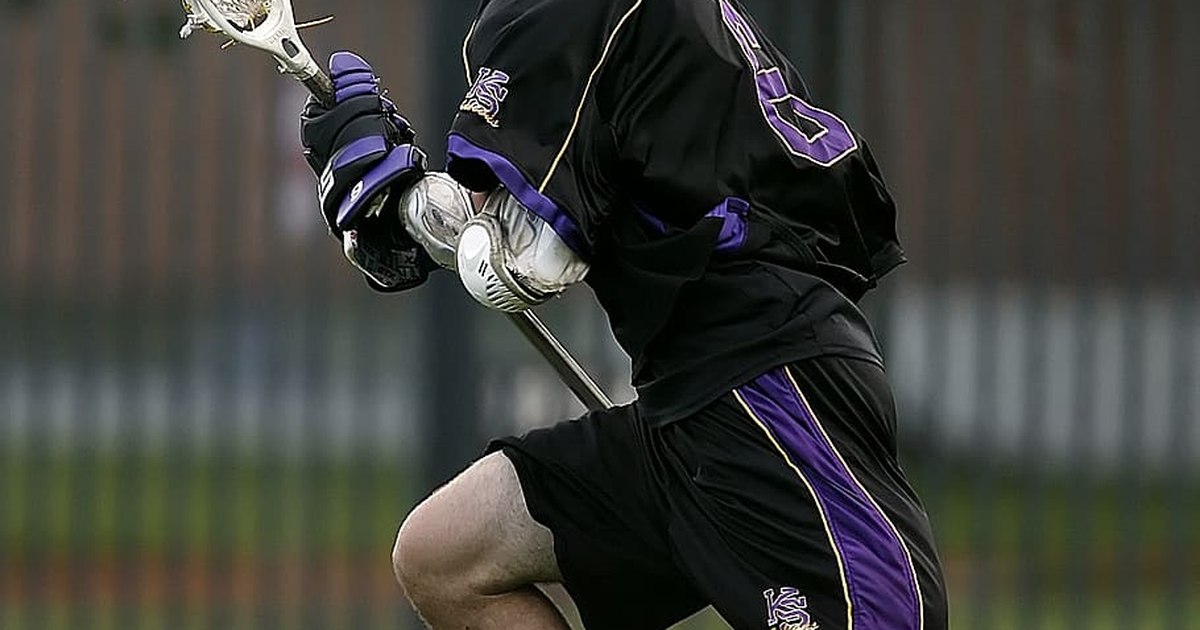
Goalie Tape Is Functional, Not Decorative
A field player tapes for grip and feel across a short shaft. A goalie tapes a much longer tool, up to 72 inches in the boys game and 52 inches in the girls game, and the tape has specific jobs. It gives the bottom hand a stop it can find without looking. It marks where the top hand belongs when the goalie sets in the crease. It keeps the butt end cap secure, and a small ring near the throat can protect the fingers and remind the hands of save position. Tape that does none of those jobs is just weight and residue on an expensive shaft.
This guide gives you three builds: the bare minimum job every goalie stick needs, the standard job most starters use, and the full candy cane spiral some goalies prefer for wet weather grip. It also covers what never to tape, how tape interacts with legality, and how to remove old tape without damaging the shaft finish.
The Three Jobs, Explained
| Tape job | Where it goes | What it does |
|---|
| Butt end knob | Over the cap at the very bottom of the shaft | Gives the bottom hand a physical stop on clears and saves |
| Bottom hand ring or grip section | Lower third of the shaft | Adds grip where the clearing hand pulls through |
| Top hand marker | A single ring where the top hand sets in stance | Lets the goalie find save position by feel, instantly |
| Throat ring (optional) | Just below the head, on the shaft only | A tactile reminder and minor finger protection |
Build One: The Bare Minimum Job
Clean the shaft with a damp cloth and let it dry. Confirm the butt end cap is present and pushed fully on, because tape is not a substitute for a missing cap. Wrap a knob over the cap: circle the shaft eight to ten times at the very end, building a ridge about the thickness of a finger, then wrap up and back down over it twice to lock it. Finish with two smooth wraps up the shaft so no sticky edge faces the hand. That is the whole minimum job, and a goalie with no other tape is still properly equipped.
Build Two: The Standard Goalie Job
Start with the knob from build one. Then add a grip section for the bottom hand: wrap from about fourteen inches above the butt end down toward the knob, overlapping each pass by half the tape width, with steady tension. Add the top hand marker as a single neat ring, three wraps, at the spot where your top hand sits when you are in your stance with the stick head beside your helmet. Test it with your eyes closed: drop your hands to the stick on the ground, pick it up, and check whether your top hand found the ring without searching. Move the ring until it does. Finish by rolling the whole job hard between your palms so every edge lies flat.
Build Three: The Candy Cane, and When It Earns Its Weight
A candy cane is a spiral wrap running up most of the shaft with gaps between the turns, like the stripe on its namesake. It gives grip along the whole shaft, which helps goalies who slide their hands a lot on clears and in wet or cold weather. It also adds noticeable weight at the far end of a long lever and uses most of a roll of tape. Choose it for grip problems you actually have, not for looks. Spiral from the grip section upward, keep the spacing even by eye, and anchor both ends with two full wraps so the spiral cannot unwind mid game.
What Never to Tape
Never tape over the head, the throat plastic, the pocket, or any string. Never tape across the head screw in a way that prevents removing the head for travel or repair; if you add a small security wrap near the screw, keep it on the shaft below the screw line and be ready to cut it off. Never build a knob so large that it will not fit through a stick bag sleeve or that changes how the stick rests in your hands. And never play with a missing butt end cap hidden under tape: officials check caps, the open metal or composite edge is a safety hazard, and the cap must be a real cap.
Tape and Legality: Length Is Measured Complete
Officials measure a goalie stick complete, from the top of the head to the end of the butt cap. A thick knob of tape hanging past the cap can add length nobody counted, and on a stick already at the maximum of its range that addition matters. After any tape job, remeasure the complete stick and confirm it sits inside the range for your game, 40 to 72 inches for boys and men or 35.5 to 52 inches for girls and women. Tape itself is legal on the shaft. Surprises in total length are the risk, and they are entirely preventable with a tape measure.
Removing Old Tape Without Ruining the Shaft
Peel slowly at a low angle, warming stubborn sections with a hair dryer for thirty seconds to soften the adhesive. Roll residue balls off with your thumb, then wipe with a small amount of adhesive remover or rubbing alcohol on a cloth and wash the shaft clean. Avoid blades on composite shafts; one deep score in the surface becomes the weak point where a shaft later snaps on a save. Budget ten minutes for removal. Rushing it is how shafts get gouged and new tape jobs get built on a layer of old glue that fails in the first rain.
Worked Example: A Tape Job That Fixed a Clearing Problem
A girls goalie kept sliding her bottom hand too far up the shaft on clears, and her outlet passes floated because her leverage changed every throw. Her coach added one thing: a firm grip section ending in a small ridge exactly where her bottom hand belonged. She practiced twenty clears a day for a week, hand landing on the ridge by feel. Her passes flattened within days. The tape did not teach the throw. It made the throw repeatable, which is the honest promise of every good tape job.
Tape for Cold Hands, Wet Fields, and Tournament Weekends
Cold weather makes standard tape stiff and less grippy, and it makes hands slower to feel the shaft through goalie gloves. Goalies in early season cold often widen the grip section and refresh tape more often, because a knob you can feel with numb fingers is worth real saves. In rain, check tape at halftime: a grip section that was perfect dry can turn slick when soaked, and a two minute rewrap of just the bottom hand section is cheap insurance for the second half.
Tournament weekends punish tape. Three games in two days will lift edges that survived a week of practice. Pack a full roll, scissors, and a spare butt end cap in the goalie bag, and inspect the stick on Friday night rather than discovering a soft knob during Saturdays warm up.
Field Player Tape Versus Goalie Tape, Briefly
A short stick player tapes a knob and a short grip zone on a 30 inch shaft section and may add a faceoff band in a contrasting color below the throat. A goalie tapes a longer shaft with the hands spread much farther apart, which is why the top hand marker ring exists in goalie work and rarely in field work. Borrowing a field players tape pattern for a goalie stick produces a pretty stick whose tape sits where no goalie hand ever goes. Tape your own positions, not someone elses photograph.
Teaching a Young Goalie to Tape Her or His Own Stick
Taping is a good first equipment responsibility to hand a young goalie. Teach the minimum job, knob over a real cap, one marker ring, edges rolled flat, and let the player own it from then on, with an adult checking length and cap security afterward. A goalie who maintains her own stick notices cracks, loose screws, and pocket problems earlier, because her hands are on every inch of the equipment every week. That attention is worth more than the tape.
Tape Colors, Team Rules, and Photographs
Most leagues allow any tape color on the shaft, but some programs set team standards for uniformity, and a few tournaments ask goalies to keep tape in team or neutral colors for photographs and broadcasts. Ask once, in preseason, rather than discovering a team rule during a playoff warm up. Contrasting tape has one functional use worth copying from field players: a marker ring in a bright color at the top hand spot is easier for a coach to spot on film, which makes tape placement feedback possible from video. If your program films games, choose the ring color for the camera, not for fashion.
Keep one more distinction straight: tape color rules that apply to a faceoff band in the boys field game do not transfer to goalies. Your marker ring is a training aid on your own shaft, not a regulated marking, unless your specific league says otherwise in writing.
A Five Minute Pre Game Tape Inspection
Add tape to the goalies existing stick check. Run a hand over the knob for soft spots, tug the cap to confirm it is seated under the tape, slide both hands through their game motions to feel for lifted edges, and confirm the top hand ring still sits where your stance puts that hand, because shafts get swapped and rings get copied to the wrong spot. Finish by measuring the complete stick if anything at the butt end changed. Five minutes, once a week, prevents the three tape failures that actually happen in games: a cap working loose, a slick grip section, and a hand searching for a marker that is not where muscle memory expects it.
Frequently Asked Questions
How much of a goalie stick should be taped?
Most goalies tape the butt end knob, a bottom hand grip section, and one top hand marker ring. Full shaft tape is optional and usually only helps in wet weather or for goalies who slide their hands constantly on clears.
Is tape legal on a lacrosse goalie stick?
Yes, tape on the shaft is legal. The complete stick, including the cap and any tape at the end, must still measure inside the legal goalie range for your game, and the butt end cap itself must be present under the tape.
Why do goalies build a knob at the butt end?
The knob gives the bottom hand a stop it can feel, so the hand does not slide off the end during a hard clear or a save follow through. It also helps keep the butt end cap seated and secure.
What tape should I use for a goalie stick?
Standard athletic cloth tape, the same hockey and lacrosse tape sold in team shops, is the normal choice. It grips well, tears by hand, and removes cleanly. Specialty grip tapes work too, but avoid anything so thick it changes the feel of the shaft.
How often should goalie tape be replaced?
Replace it when edges lift, the grip section feels slick, or the knob softens and shifts. For a starter playing several times a week, that is usually every few weeks in season, and always before playoffs or a tournament weekend.