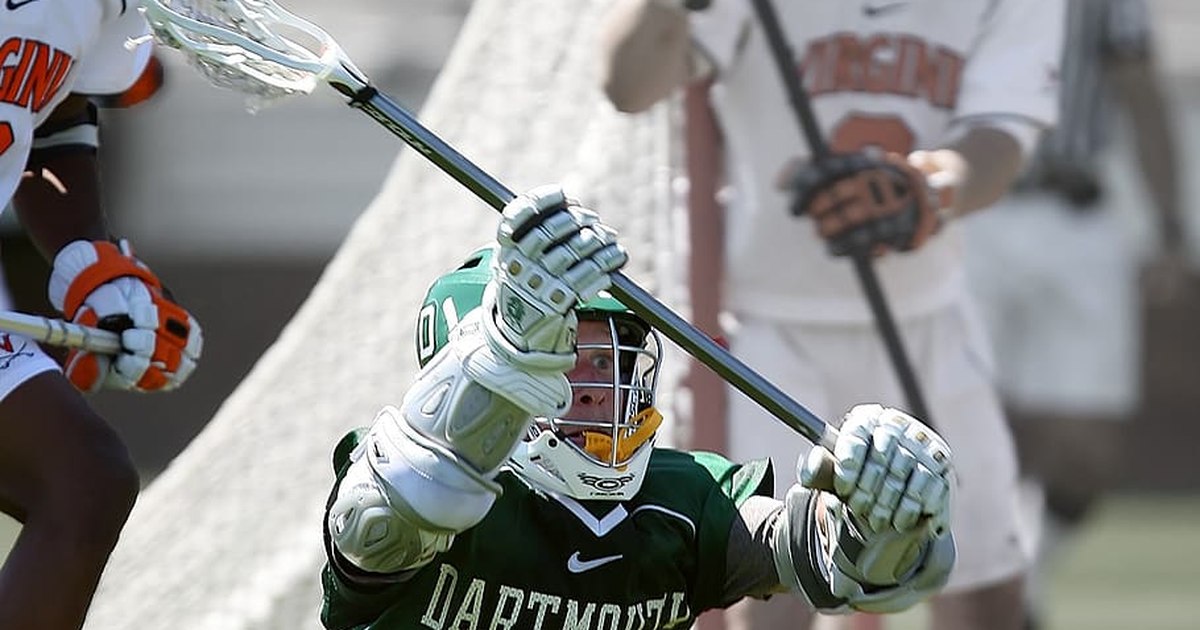
Goalie Drills for Keepers Who Already Know the Stance
Once a goalie owns the ready position and the basic arc, development stalls if practice is just team shooting with the goalie standing in. Goalies need their own drill diet: arc movement without a ball, reaction work that isolates the hands, shot sequences by location, and clearing reps under a count. This page organizes that diet into a progression a developing keeper can run two or three times a week, with setups, distances, and reps for each drill, plus a sample 40 minute goalie block that fits inside a team practice while the field players work at the other end.
Safety shapes everything here. The goalie wears full gear for every live drill: helmet with throat guard, ND200 chest protector, goalie gloves, and the rest of the required set. Shooters start at half speed and earn full speed only when the goalies mechanics hold, because a drill that overwhelms a young keeper teaches flinching, not saving.
Arc Movement Drills, No Ball Required
Drill: pipe to pipe steps. The goalie moves along the arc from post to post on coach calls, left, right, top, staying square with an imaginary ball, stick in front of the chest. Three sets of forty seconds. Drill: arc with a feed. A coach walks the ball around the outside of an imaginary offense, behind the goal included, and the goalie tracks position, turning and finding the post when the ball goes behind. Drill: step and set. On each call the goalie takes one explosive step in the called direction and freezes in a perfect ready position for a coach check. Slow, exact reps here are what make fast saves look calm later.
Reaction Drills: Hands Before Feet
| Drill | Setup | Reps | Coaching point |
|---|
| Tennis ball hands | Partner tosses tennis balls from 6 yards, goalie catches with stick or top hand | 3 sets of 20 | Hands move first, body stays quiet |
| Called location shots | Shooter announces high left, low right, then shoots there at 70 percent | 4 sets of 8 | Groove the correct hand path per location |
| Random location shots | Same setup, no call, speed rises across sets | 4 sets of 8 | Read the stick, step to the ball |
| Bounce reads | Every shot bounces from 12 yards, bounce point varies | 3 sets of 10 | Read the bounce, move to the rise |
| Screen shots | A teammate stands as a screen, shooter hides the release | 3 sets of 8 | Find a window early, hold your line |
Clearing Drills: The Save Is Only Half the Play
Drill: save and hit the outlet. After every save in a ten shot sequence, the goalie must complete a pass to one of two targets at midfield within the crease count, four seconds in the boys game and ten seconds in the girls game. Drill: clear against a rider. One attacker rides while two defenders break to outlet spots, and the goalie chooses the open side. Drill: goalie carries. The goalie runs the ball out of the crease to a called cone under token pressure, head up, stick protected, because every goalie eventually has to be the tenth or twelfth field player for five seconds.
Score clearing drills out loud. A goalie who saves at sixty percent and clears at ninety percent wins more games than a slightly better shot stopper whose clears become turnovers.
A Sample 40 Minute Goalie Block
Minutes 0 to 6: arc movement, pipe to pipe and step and set. Minutes 6 to 16: tennis ball hands and called location shots at controlled speed. Minutes 16 to 28: random location and bounce shot sequences at rising speed. Minutes 28 to 36: save and clear sequences against a rider. Minutes 36 to 40: screen shots to finish, then a save log entry: shots faced, goals by location, clears completed. Run this block while field players do position work, and the goalie joins team drills afterward already warm, sharp, and honest about what todays shots did.
Reading Your Own Save Log
Patterns in the log choose your next drills. Low goals on the stick side mean stance height and stick speed down need work, so bounce and low drills lead the next block. High off stick goals mean the top hand path across the body is late, so called location work returns. Goals on screens mean positioning and window finding, not reflexes. A goalie who logs honestly for a month stops guessing about weaknesses, and a coach who reads the log stops running random shooting and calling it goalie training.
Drills for the Backup Goalie and the Emergency Goalie
Every team eventually needs its second goalie in a real game, and most backups are trained as an afterthought, standing behind the starter during drills. Give the backup the same drill menu at slightly lower speeds, in the same sessions, not in leftover minutes. An emergency goalie, a field player pressed into the crease by injury, needs a survival version: stance, arc steps, stick in front, and clearing basics, taught in one focused session before she or he ever dresses for the position. Programs that prepare both players in September stop having a crisis in April.
Solo Variations for Days Without a Shooter
A goalie alone can still train. Arc steps and step and set work need no one. A tennis ball thrown against a wall and caught with the top hand or the stick trains hand speed in both directions. Shadow saves, full speed movements to imagined shot locations called out by a recording or a parent from the sideline, build the step patterns. Clearing footwork, the drop step, the scan, the throwing motion with a real ball into a net or to a wall target, keeps the outlet sharp. Solo work should end with conditioning that imitates the position: short lateral bursts with full recovery, never long runs that teach a goalie to move slowly.
Working With a Shooter: Rules That Keep Drills Honest
The shooter is a training partner, not an opponent keeping score. Shooters should aim at the called locations, respect the speed stage of the drill, and mix locations only when the drill says random. A shooter who tries to beat the goalie on every rep of a mechanics drill destroys the drill and, over a season, the goalies confidence in practice itself. Coaches should say this out loud on day one and enforce it like any other team rule. The best programs develop their shooters and goalies together, because each ones discipline is the other ones curriculum.
Mental Drills: The Part Nobody Schedules
Goalie is the loneliest position in the sport, and its mental skills are trainable like any other. Build a pre game routine and rehearse it in practice: the same warm up order, the same first three drills, the same words from the coach. Practice the reset after a goal as a drill in itself during scrimmages, with the goalie touching both posts, calling the defense in, and naming the next job before the draw or faceoff. Visualize one shooter sequence before bed on game weeks, seeing the arc steps and the hand paths rather than the score. These are not superstitions. They are attention training, and they belong on the practice plan with minutes attached, or they will be the first thing a busy week deletes.
Measuring Progress Across a Season
Keep the save log from the sample block all season and review it monthly with the goalie. Goals by location should migrate: early season leaks at low corners and on screens should shrink as the drill diet works, and the goals that remain should be the honest kind, well placed shots in good chances. Clearing percentage should climb and then hold under pressure. If the numbers stall, the log itself points at the drill family to change. A goalie program without a log is a program arguing from memory, and memory always remembers the last game loudest.
Warm Up and Cool Down for a Position Built on Explosions
Goalies move in short, violent bursts from a standstill, which is the exact pattern warm ups exist to protect. Begin every drill block with five minutes of progressive movement: easy arc steps, lateral shuffles at rising speed, and ten soft tosses that become ten firm ones. Cold goalies who face full speed shots in minute one learn to flinch and strain muscles in the same rep. Finish blocks with the reverse: slow arc walks, easy clears to a partner, and sixty seconds of quiet stance work to lock in the calm version of the position. The cool down is also when the save log gets written, while the shots are still honest in the goalies memory.
Frequently Asked Questions
What drills help a lacrosse goalie most?
Arc movement without a ball, called then random location shot sequences, bounce shot reads, and save to clear reps under the crease count. Together they train positioning, hands, reading, and the outlet game that turns saves into possessions.
How often should a goalie do reaction drills?
Two or three focused blocks a week of about forty minutes is a strong load for a developing keeper, built into team practice time. Short, sharp reaction work beats long shooting sessions where fatigue ruins mechanics.
Can a goalie practice drills alone?
Arc steps, step and set footwork, wall based hand work with a tennis ball, and clearing footwork can all be done solo. Shot reaction work needs a shooter, and a partner with tennis balls covers most of it safely.
What is a good save percentage for a youth goalie?
It varies widely with the level of shots faced, so coaches judge developing goalies on mechanics, positioning, rebound control, and clearing as much as raw percentage. A log of goals by location tells a truer story than one percentage number.
Why do goalie drills use tennis balls?
A tennis ball is lighter and slower to damage, so shooters and partners can throw many reps at close range. It rewards pure hand speed and early reads, and it lets a young goalie take hundreds of reps without the bruising of regulation balls.